

What Is Abs In Cars: Essential Safety Feature Explained
Last Updated on August 17, 2026
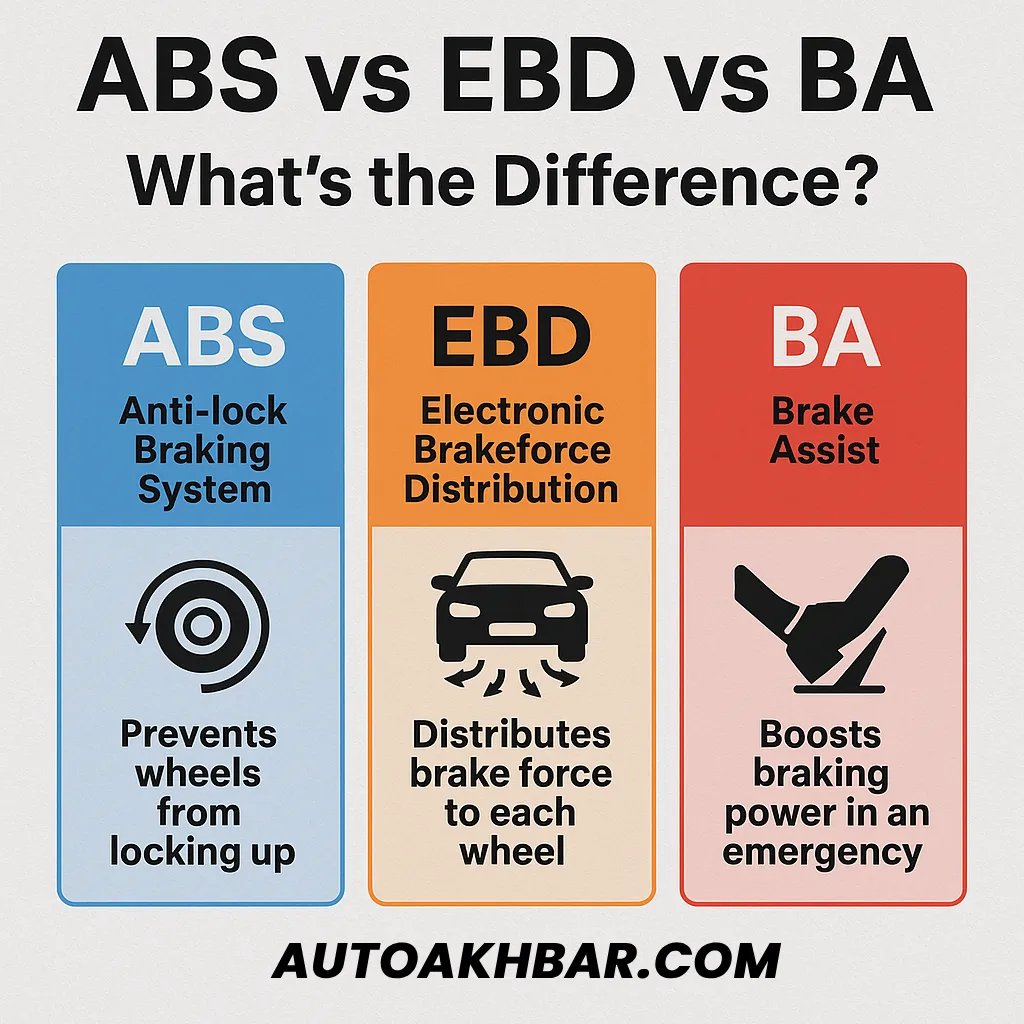
Have you ever wondered what keeps your car from skidding when you hit the brakes suddenly? That’s where ABS, or Anti-lock Braking System, comes into play.
Understanding ABS can make you a smarter driver and help you feel safer behind the wheel. You’ll discover exactly what ABS is, how it works, and why it’s a crucial feature in your car. Keep reading to learn how this technology protects you and your passengers every time you press the brake pedal hard.
Credit: autoakhbar.com
How Abs Works
ABS stands for Anti-lock Braking System. It helps drivers keep control during hard braking. The system stops wheels from locking up.
This improves steering and reduces skidding. ABS uses sensors and a control unit to work correctly.
Basic Mechanism
ABS controls the brake pressure on each wheel. It quickly reduces and increases pressure to prevent wheel lock.
- When a wheel begins to lock, ABS lowers brake pressure.
- The system then raises pressure again to keep the wheel turning.
- This cycle repeats many times per second.
- The driver keeps control of the steering during braking.
Sensors And Control Unit
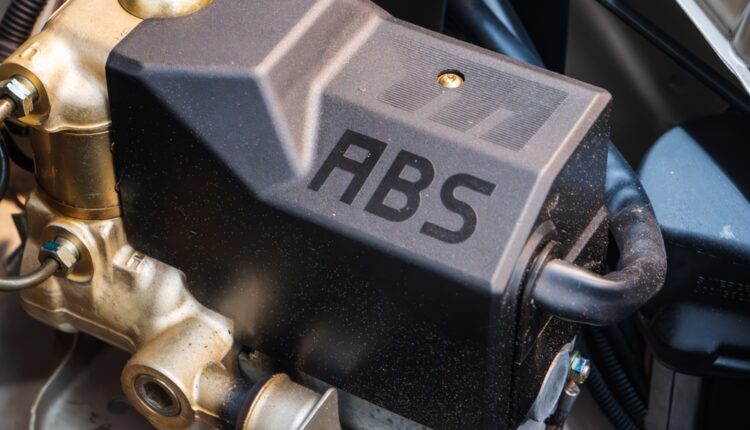
Each wheel has sensors that monitor its speed. These sensors send information to the control unit.
| Component | Function |
| Wheel Speed Sensors | Detect wheel rotation speed and send signals. |
| Electronic Control Unit (ECU) | Processes sensor data and controls brake pressure. |
| Hydraulic Modulator | Adjusts brake fluid pressure to each wheel. |
Benefits Of Abs
Anti-lock Braking System (ABS) helps drivers stop safely. It prevents wheels from locking during hard braking. This system improves vehicle control and safety on the road.
ABS works by automatically pumping the brakes fast. This action keeps the tires gripping the road. It reduces the chance of accidents in emergency stops.
Improved Braking Control
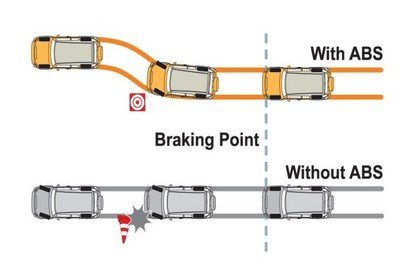
ABS helps drivers keep control while braking. The system stops the wheels from locking. This allows the driver to steer the car during hard stops.
- Maintains steering ability when braking hard
- Reduces stopping distance on slippery roads
- Prevents loss of control in sudden stops
- Increases confidence in emergency braking
Reduced Skidding Risk
ABS lowers the risk of skidding on wet or icy roads. It works by controlling brake pressure. This action helps tires keep traction with the road surface.
| Road Condition | Effect of ABS |
| Wet Road | Reduces skidding and improves grip |
| Ice or Snow | Prevents wheel lock and loss of control |
| Gravel | Improves braking stability |
Abs Vs Traditional Brakes
ABS stands for Anti-lock Braking System. It helps keep cars from sliding during hard braking. Traditional brakes do not have this feature. They rely on simple friction to stop the car.
Understanding the differences between ABS and traditional brakes can help drivers make safer choices. Each system performs differently in various driving conditions.
Performance Differences
ABS uses sensors to monitor wheel speed. It stops wheels from locking during sudden braking. Traditional brakes can cause wheels to lock and skid. This may lead to loss of control.
| Feature | ABS | Traditional Brakes |
| Wheel Lock Prevention | Yes | No |
| Stopping Distance | Shorter on slippery roads | Longer on slippery roads |
| Control During Braking | Maintains better control | Less control, may skid |
| Complexity | More complex system | Simple mechanical |
Situational Advantages
ABS offers clear benefits in certain situations. It helps maintain steering control on wet or icy roads. Traditional brakes may perform well on dry surfaces and at low speeds.
- ABS prevents wheel lock on slippery roads
- ABS allows drivers to steer while braking hard
- Traditional brakes are simpler and cheaper to maintain
- Traditional brakes may feel more predictable in gentle stops
- ABS improves safety in emergency braking
Credit: www.cardekho.com
Common Abs Myths
Anti-lock Braking System, or ABS, is a key safety feature in many cars. Despite its wide use, many people have wrong ideas about how ABS works. These myths can cause confusion about the system’s benefits and limits.
This article clears up common myths about ABS, focusing on safety and maintenance questions. Understanding the facts helps drivers use ABS properly and keep their cars safe.
Misconceptions About Safety
Many drivers believe ABS stops the car faster in all conditions. This is not always true. ABS helps maintain steering control during hard braking, but it does not always reduce stopping distance.
- Myth: ABS lets you stop instantly on ice or snow.
- Fact: ABS helps prevent wheel lock but stopping distance may still be long.
- Myth: ABS works the same on every road surface.
- Fact: ABS performance can vary depending on road grip.
- Myth: You should pump the brakes with ABS.
- Fact: ABS works by itself; pumping brakes can interfere.
Maintenance And Reliability
Some think ABS systems need frequent special care or fail often. Actually, ABS is reliable and requires normal brake maintenance. Regular checks keep the system working well.
| Myth | Reality |
| ABS sensors fail regularly and are costly to fix. | ABS sensors rarely fail and are not expensive to replace. |
| ABS needs special fluid or parts more often. | ABS uses the same brake fluid and parts as regular brakes. |
| ABS causes brake wear to increase quickly. | Brake wear with ABS is similar to cars without it. |
Credit: www.arabwheels.ae
Frequently Asked Questions
What Does Abs Mean In Cars?
ABS stands for Anti-lock Braking System. It helps stop wheels from locking during hard braking.
How Does Abs Improve Car Safety?
ABS prevents skidding, helping drivers keep control and steer while braking hard.
Which Cars Have Abs Technology?
Most modern cars, including sedans, SUVs, and trucks, come equipped with ABS as standard.
Can Abs Help On Wet Or Slippery Roads?
Yes, ABS works well on wet, icy, or slippery surfaces to avoid skidding.
What Happens If Abs Fails In A Car?
If ABS fails, brakes work normally but without skid control, increasing stopping distance risk.
Conclusion
ABS helps cars stop safely by preventing wheel lock. It keeps control during hard braking. Drivers can steer while braking hard, reducing accidents. This system works well on wet or slippery roads. Many modern cars have ABS as a safety feature.
Knowing how ABS works helps you drive smarter and safer. It’s a useful tool for all drivers. Stay aware and trust your car’s ABS when needed. Safety matters, and ABS adds an extra layer of protection.


