How To Bleed Car Brakes: Easy Steps for Safe, Smooth Stopping
Last Updated on August 17, 2026
If your brakes feel soft or spongy, it’s a clear sign that air might be trapped in your brake lines. Knowing how to bleed car brakes can save you time, money, and keep you safe on the road.
Imagine stepping on the pedal and feeling a solid, reliable response every time—that’s the power of properly bled brakes. In this guide, you’ll discover simple steps to fix this common issue yourself, even if you’re not a car expert. Keep reading, and you’ll gain the confidence to restore your brakes and drive with peace of mind.
Credit: www.chase.com
Signs Of Air In Brake Lines
Air in brake lines can cause serious problems with your car’s braking system. It reduces the brake fluid’s ability to transfer pressure. This makes your brakes feel soft or spongy.
Knowing the signs of air in brake lines helps you fix the issue quickly. This keeps your brakes working safely and effectively.
Soft Or Spongy Brake Pedal
If you press the brake pedal and it feels soft or spongy, air might be in the brake lines. The pedal may go down farther than usual. This means the brakes are not responding properly.
Longer Stopping Distance
Air in the brake lines lowers the braking power. Your car may take longer to stop. This is dangerous, especially in emergencies. Always check the brake system if you notice this sign.
Brake Pedal Pulsation
Pulsation or vibration in the brake pedal can mean air is trapped in the lines. The pressure changes as you press the brake, causing the pedal to pulse.
Brake Warning Light On
The brake warning light on your dashboard may turn on. This alerts you to a problem in the brake system. Air in the brake lines can trigger this warning.
Common Symptoms Of Air In Brake Lines
- Brake pedal feels soft or spongy
- Increased stopping distance
- Pedal pulsates or vibrates when pressed
- Brake warning light on the dashboard
- Brake fluid leaks or low fluid level
Tools Needed For Brake Bleeding
Bleeding car brakes removes air bubbles from the brake lines. This helps the brakes work properly and safely.
You need some basic tools before starting brake bleeding. These tools make the job easier and safer.
Brake Bleeder Kit
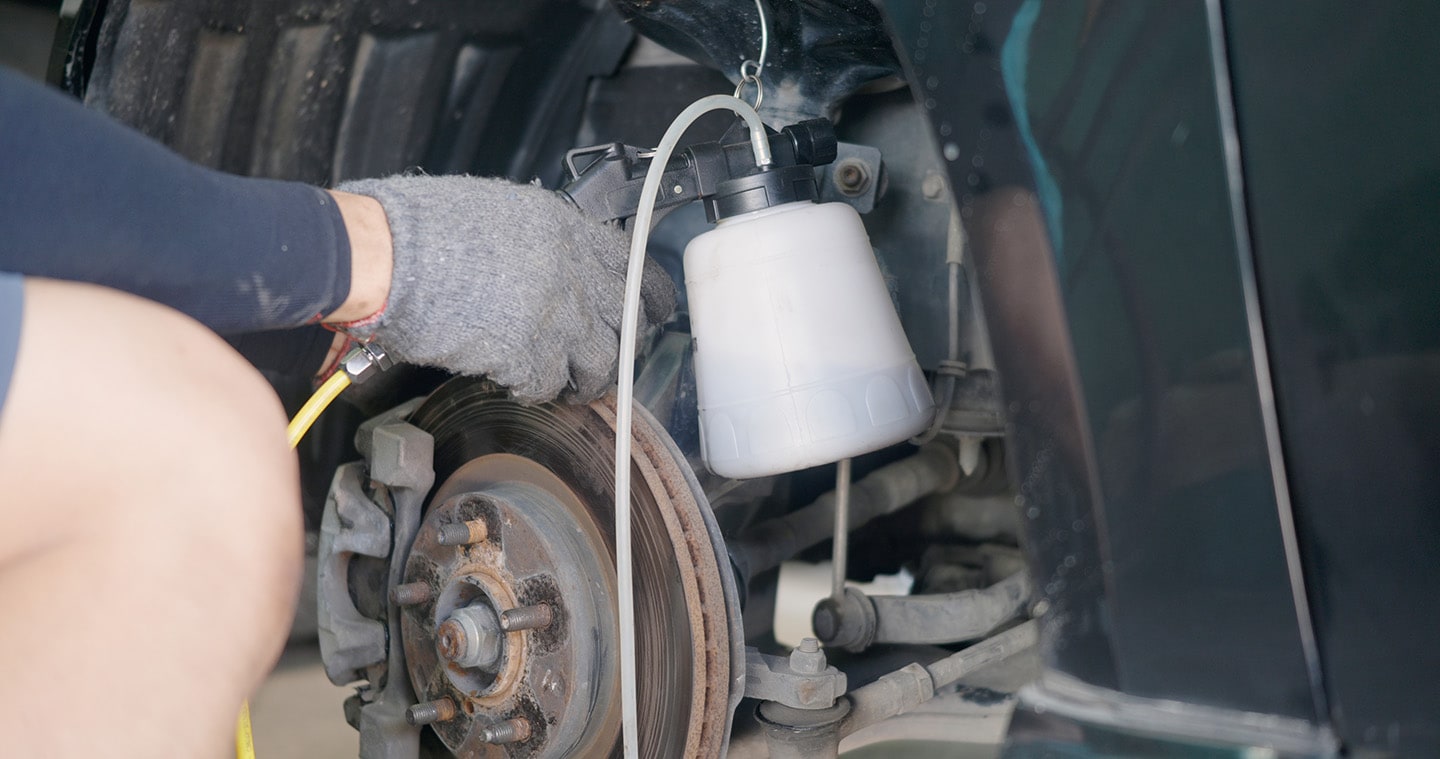
A brake bleeder kit usually includes a hand pump and a hose. It helps draw old brake fluid and air out of the brake system.
Using this kit reduces mess and keeps the brake fluid clean.
Wrench Or Spanner
You need a wrench to open and close the bleeder valve on the brake caliper or wheel cylinder. The size depends on your car model.
A good fit prevents damage to the valve and helps control fluid flow.
Clear Plastic Tubing
Clear plastic tubing connects to the bleeder valve. It guides brake fluid into a container and lets you see bubbles in the fluid.
Choose tubing that fits tightly over the bleeder valve for a secure seal.
Catch Container
A catch container collects old brake fluid during bleeding. It prevents spills and helps keep the work area clean.
Use a clear container to watch the fluid and air bubbles exit the brake line.
Fresh Brake Fluid
Always use fresh brake fluid that matches your vehicle’s specifications. Old or wrong fluid can damage the brake system.
Keep the brake fluid container closed tightly to avoid contamination.
Protective Gloves And Safety Glasses
Brake fluid can irritate skin and eyes. Wear protective gloves and safety glasses to stay safe.
Clean any spills immediately to avoid damage to paint or parts.
Car Jack And Jack Stands
You need a car jack and jack stands to lift and secure your vehicle safely. This gives you access to the brake parts.
Never work under a car supported only by a jack. Always use sturdy jack stands.
Step-by-step Brake Bleeding Process
Bleeding car brakes removes air from the brake lines. This helps the brakes work better and safer.
Follow the steps below to bleed your brakes correctly and improve your vehicle’s stopping power.
Prepare The Vehicle
Park your car on a flat surface and turn off the engine. Use wheel chocks to stop the car from moving.
Open the hood and find the brake fluid reservoir. Check the fluid level and add more if needed.
Locate Bleeder Valves
Find the bleeder valves on each brake caliper or wheel cylinder. They look like small screws or nipples.
- Usually, the valves are near the brake hose connection.
- Check your car manual for exact locations.
- Clean around the valves to stop dirt from entering.
Pump And Release Brake Fluid
Have a helper press the brake pedal slowly several times. Then hold the pedal down.
Use a wrench to open the bleeder valve slightly. Fluid and air will come out.
- Keep the brake fluid reservoir full during this step.
- Close the valve before your helper releases the pedal.
- Repeat until only clear fluid comes out, no bubbles.
Check Brake Pedal Feel
Press the brake pedal to test its firmness. It should feel firm, not spongy or soft.
If the pedal still feels soft, repeat the bleeding process. Make sure all air is removed.

Credit: www.youtube.com
Tips For Maintaining Brake Performance
Keeping your car brakes in good shape is very important for safety. One key task is bleeding the brakes to remove air.
Air in the brake lines can reduce braking power. Follow these tips to maintain strong brake performance.
Use The Right Brake Fluid
Always use the brake fluid type recommended by your car maker. Different cars need different fluids.
Check the fluid level often and refill before it gets too low. Old fluid can cause brake problems.
Bleed Brakes Regularly
Air bubbles can get trapped in the brake lines. Bleeding removes these bubbles and keeps brakes firm.
Bleed the brakes if the pedal feels soft or spongy. Do it every one to two years as a routine check.
Inspect Brake Lines And Hoses
Look for cracks, leaks, or damage on brake lines and hoses. Damaged parts let air in and brake fluid out.
- Check lines near wheels and engine bay
- Replace any worn or cracked hoses
- Fix leaks immediately
Keep Brake Components Clean
Dirt and rust can harm brake parts. Clean the calipers, drums, and pads when you service the brakes.
Clean parts work better and last longer. Use brake cleaner spray for best results.
Test Brakes After Bleeding
After bleeding, press the brake pedal several times. It should feel firm and not sink to the floor.
If the pedal still feels soft, bleed the brakes again or check for leaks.

Credit: www.youtube.com
Frequently Asked Questions
What Tools Do I Need To Bleed Car Brakes?
You need a wrench, clear tubing, a catch container, and fresh brake fluid.
How Long Does It Take To Bleed Car Brakes?
It usually takes 20 to 30 minutes for all four brakes.
Can I Bleed Brakes Without A Helper?
Yes, using a one-person brake bleeder kit makes it possible.
How Often Should I Bleed My Car Brakes?
Bleed brakes every 1-2 years or if the brake pedal feels soft.
What Signs Show My Brakes Need Bleeding?
A spongy brake pedal or reduced brake response means bleeding is needed.
Conclusion
Bleeding car brakes keeps your vehicle safe on the road. It removes air that makes brakes feel soft or weak. Follow each step carefully and take your time. Use the right tools and brake fluid for best results. Check your brake system after bleeding to ensure it works well.
Regular brake maintenance helps avoid costly repairs later. Practice this skill to keep control during driving. Safe brakes mean safer journeys every time you drive.