

Role Of An Alternator In Cars: Essential Function Explained Clearly
Last Updated on August 17, 2026
Have you ever wondered what keeps your car’s battery charged while you drive? The answer lies in a small but powerful part called the alternator.
Without it, your car wouldn’t be able to power essential systems like the lights, radio, or even the engine itself. Understanding the role of an alternator can help you take better care of your vehicle and avoid unexpected breakdowns. You’ll discover exactly how an alternator works and why it’s so important for your car’s performance.
Keep reading to unlock the secrets behind this crucial component.

Credit: www.carparts.com
How Alternators Work
An alternator is a key part of a car’s electrical system. It makes electricity to power the car’s battery and electrical parts.
The alternator changes mechanical energy from the engine into electrical energy. This process keeps the battery charged and running.
Basic Components
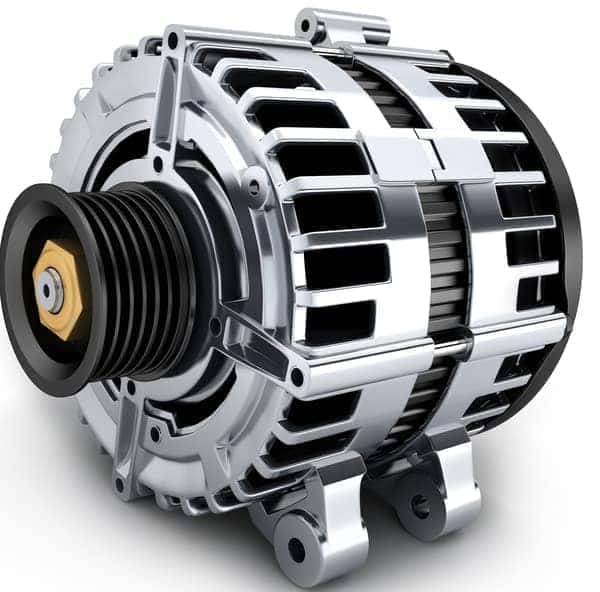
An alternator has a few main parts that work together. These parts help it create electricity from engine power.
- Rotor:Spins inside the alternator to create a magnetic field.
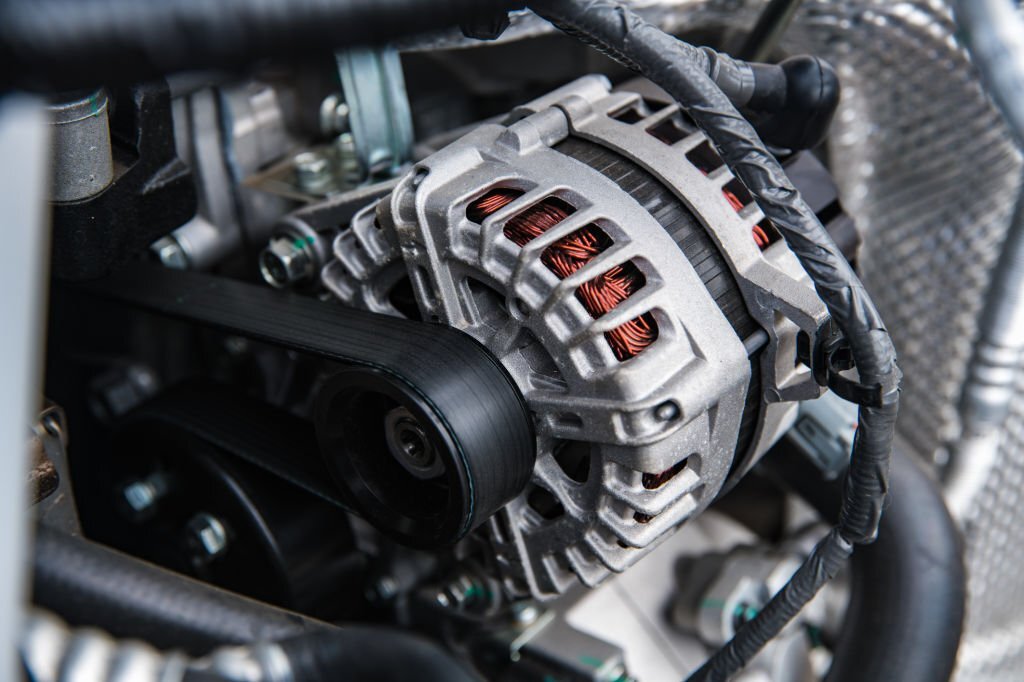
- Stator:Stationary part that surrounds the rotor and produces electric current.
- Diode Rectifier:Changes AC (alternating current) to DC (direct current) for the car’s use.
- Voltage Regulator:Controls the output voltage to protect the battery and electrical devices.
- Drive Belt:Connects the alternator to the engine to spin the rotor.
Electricity Generation Process
The engine turns the drive belt, which spins the rotor inside the alternator. This spinning creates a magnetic field.
The magnetic field causes the stator to produce alternating current (AC). The diode rectifier then changes AC to direct current (DC).
- The rotor spins and creates a magnetic field.
- The stator uses the magnetic field to make AC electricity.
- The diode rectifier converts AC to DC electricity.
- The voltage regulator keeps the voltage steady.
- Electricity powers the battery and car parts.
Credit: www.downtown.chevyman.com
Alternator’s Role In Vehicle Power
The alternator is a key part of a car’s electrical system. It helps keep the car running by making electricity.
This electricity powers many parts of the vehicle. It also keeps the battery charged and ready to start the car.
Charging The Battery
The alternator charges the car’s battery while the engine runs. It turns mechanical energy into electrical energy.
- The alternator creates alternating current (AC).
- This AC is changed to direct current (DC) for the battery.
- The battery stores this energy for starting the engine.
- It also supplies power when the engine is off.
Powering Electrical Systems
The alternator provides electricity to all electrical systems in the car. This includes lights, radio, and sensors.
| System | Purpose | Power Source |
| Headlights | Lighting the road | Alternator |
| Radio | Entertainment and information | Alternator |
| Air Conditioning | Cooling the cabin | Alternator |
| Engine Sensors | Monitor engine health | Alternator |
Signs Of Alternator Problems
The alternator is a key part of a car’s electrical system. It charges the battery and powers the electrical parts.
If the alternator has issues, the car may show clear signs. Knowing these signs helps you avoid bigger problems.
Common Symptoms
A bad alternator causes many issues. You might notice dim lights or a dead battery. Strange sounds can also happen.
- Dashboard warning lights turn on
- Car battery dies often
- Headlights get dim or flicker
- Electrical accessories work slowly
- Strange whining or grinding noises
- Car stalls or has trouble starting
Impact On Car Performance
A failing alternator reduces power to the car’s systems. This can lead to poor engine performance and safety risks.
Without enough power, the car may stall or lose lights. The battery will drain quickly and may need replacement.
- Engine may stall during driving
- Power steering and brakes feel weak
- Car lights dim, affecting night driving
- Battery drains fast and won’t hold charge
- Electrical devices like radio may fail
Credit: www.krishnaautoelectric.com
Maintaining Your Alternator
The alternator keeps your car’s battery charged. It powers electrical parts while the engine runs.
Regular maintenance helps your alternator last longer. It also prevents car breakdowns.
Routine Checks
Check the alternator often to catch problems early. Look for loose or worn belts.
Listen for strange noises like grinding or whining. These sounds may mean trouble.
- Inspect the drive belt for cracks or wear
- Check electrical connections for corrosion
- Watch for dim or flickering headlights
- Test battery voltage with a multimeter
When To Replace
Replace your alternator if it stops charging the battery. A bad alternator can drain power fast.
Other signs include warning lights on the dashboard and frequent car stalls.
- Battery warning light stays on
- Car battery dies often
- Electrical parts don’t work well
- Unusual noises from the alternator area
Frequently Asked Questions
What Does An Alternator Do In A Car?
An alternator charges the car battery and powers electrical systems while the engine runs.
How Does An Alternator Affect Car Performance?
It keeps the battery charged and ensures all electrical parts work smoothly.
What Signs Show A Failing Alternator?
Dim lights, battery warning light, or strange noises can indicate alternator problems.
Can A Car Run Without An Alternator?
A car will run briefly but the battery will soon lose power and die.
How Often Should An Alternator Be Checked?
Check the alternator every 30,000 to 50,000 miles or during regular car service.
Conclusion
An alternator keeps your car’s battery charged and powers electrical parts. It works while the engine runs, making sure everything functions well. Without it, the battery would die quickly, causing car problems. Regular checks help spot alternator issues early. Knowing its role helps you maintain your car better.
A healthy alternator means a smooth and reliable drive every time.


