How Car Suspension Works: Ultimate Guide to Smooth Driving
Last Updated on August 17, 2026
Have you ever wondered what makes your car ride smooth over bumpy roads? The secret lies in your car’s suspension system.
It’s a clever setup that keeps you comfortable and in control, no matter the terrain. Understanding how car suspension works can help you appreciate the engineering behind your daily drive—and even spot issues before they become costly problems. You’ll discover the key parts of your suspension and how they work together to give you a safe, steady ride.
Keep reading to unlock the mystery behind your car’s smooth handling.
Car Suspension Basics
Car suspension is a system that connects the wheels to the car’s body. It helps absorb shocks from the road. This makes rides smooth and safe.
Good suspension keeps the tires on the road. It improves control and comfort while driving. Understanding its parts and types helps you learn how it works.
Key Components
The suspension system has many parts working together. Each part has a special job to do. Here are the main components:
- Springs:Hold the car’s weight and absorb bumps.
- Shock Absorbers:Control the motion of the springs.
- Control Arms:Connect the suspension to the car frame.
- Anti-roll Bars:Reduce body roll in turns.
- Bushings:Cushion the parts and reduce noise.
Types Of Suspension Systems
There are several suspension systems used in cars. Each system suits different needs and road conditions. The main types include:
| Type | Description | Common Use |
| Dependent Suspension | Both wheels are connected on an axle. | Trucks and heavy vehicles |
| Independent Suspension | Each wheel moves separately. | Passenger cars |
| MacPherson Strut | Simple design with spring and shock absorber. | Compact cars |
| Multi-link Suspension | Uses several arms for better control. | High-end cars |
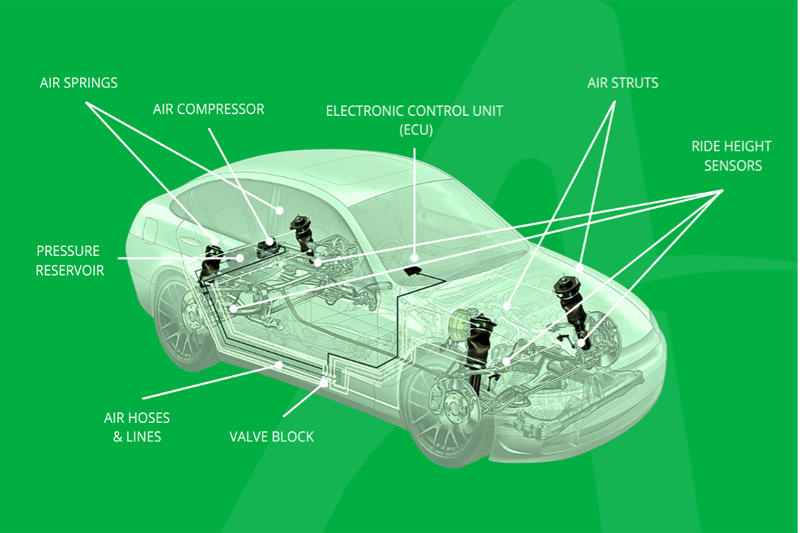
Credit: pmmonline.co.uk
How Suspension Absorbs Shocks
Car suspension helps the vehicle handle bumps on the road. It makes rides smoother by reducing the impact felt inside.
The suspension system uses parts like springs and shock absorbers. These parts work together to absorb shocks and keep the car steady.
Role Of Springs
Springs hold the weight of the car and absorb energy from bumps. They compress when the car hits a bump and then expand back.
This action reduces the force from the road before it reaches the car’s body. Springs help keep the tires on the ground for better control.
- Support car weight
- Compress to absorb bumps
- Return to shape to maintain balance
- Keep tires touching the road
Function Of Shock Absorbers
Shock absorbers control the movement of springs. They slow down and reduce the bouncing after a bump.
They use fluid or gas inside to absorb energy. This stops the car from bouncing too much and improves ride comfort.
- Control spring movement
- Reduce bouncing after bumps
- Use fluid or gas to absorb energy
- Improve ride smoothness and safety
Impact On Vehicle Handling
Car suspension plays a key role in how a vehicle handles on the road. It affects the way the car stays stable and how comfortable the ride feels. Understanding these effects helps drivers appreciate the importance of suspension systems.
The suspension system connects the wheels to the car’s body. It absorbs shocks from the road and controls the movement of the wheels. This helps keep the car balanced and easy to steer.
Stability And Control
Suspension affects the car’s stability during turns, braking, and driving on uneven roads. A good suspension keeps the tires in contact with the road. This improves grip and control.
- Reduces body roll when turning
- Keeps tires firmly on the road
- Improves steering response
- Prevents skidding on slippery surfaces
Effect On Ride Comfort
The suspension system also affects how smooth the ride feels. It absorbs bumps and vibrations from the road surface. This reduces the impact felt inside the car.
| Suspension Component | Comfort Role | Effect on Handling |
| Springs | Absorb shocks from bumps | Control body movement |
| Shock Absorbers | Reduce vibrations | Prevent excessive bouncing |
| Anti-roll Bars | Stabilize body during turns | Minimize body lean |
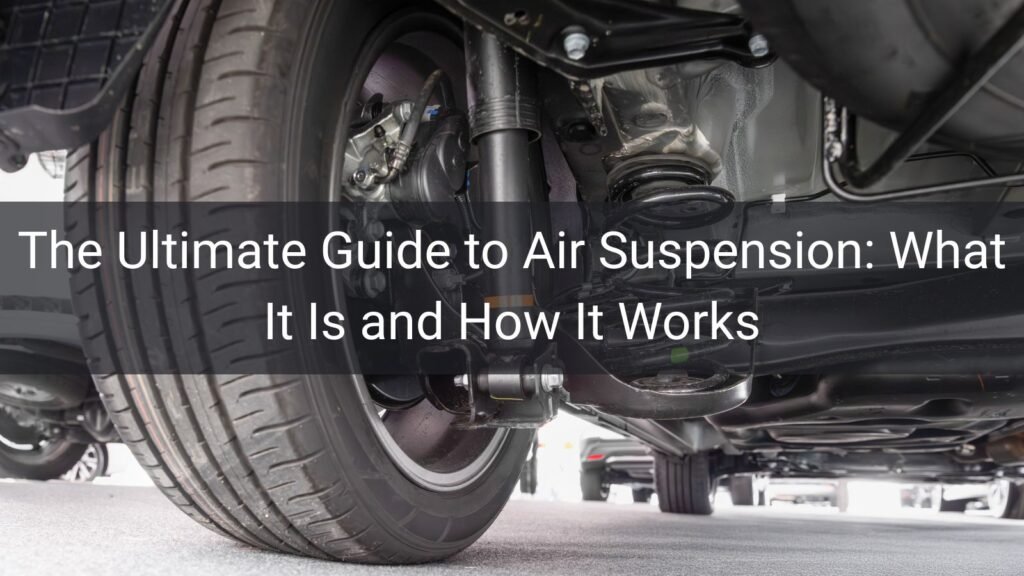
Credit: www.nbmaxauto.com
Common Suspension Issues
The car suspension system helps keep the ride smooth and stable. It absorbs shocks from bumps and rough roads. Over time, parts of the suspension can wear out or get damaged.
Knowing common suspension problems helps you spot trouble early. Fixing issues fast keeps your car safe and comfortable to drive.
Signs Of Wear And Damage
Suspension problems often show clear signs. Watch for changes in how your car drives or sounds. These signs help you know when to check the suspension.
- Car pulls to one side while driving
- Bumpy or rough ride on smooth roads
- Uneven tire wear or bald spots
- Clunking or knocking noises over bumps
- Steering wheel shakes or feels loose
- Car sags or leans to one side
- Longer stopping distances when braking
Maintenance Tips
Regular maintenance keeps your suspension working well. Simple checks can prevent bigger problems later. Pay attention to parts that wear faster.
- Check shock absorbers and struts for leaks
- Inspect bushings and ball joints for cracks
- Keep tires properly inflated and rotated
- Listen for unusual noises while driving
- Have alignment checked if car pulls to one side
- Clean suspension parts to avoid rust buildup
- Replace worn parts quickly to avoid damage
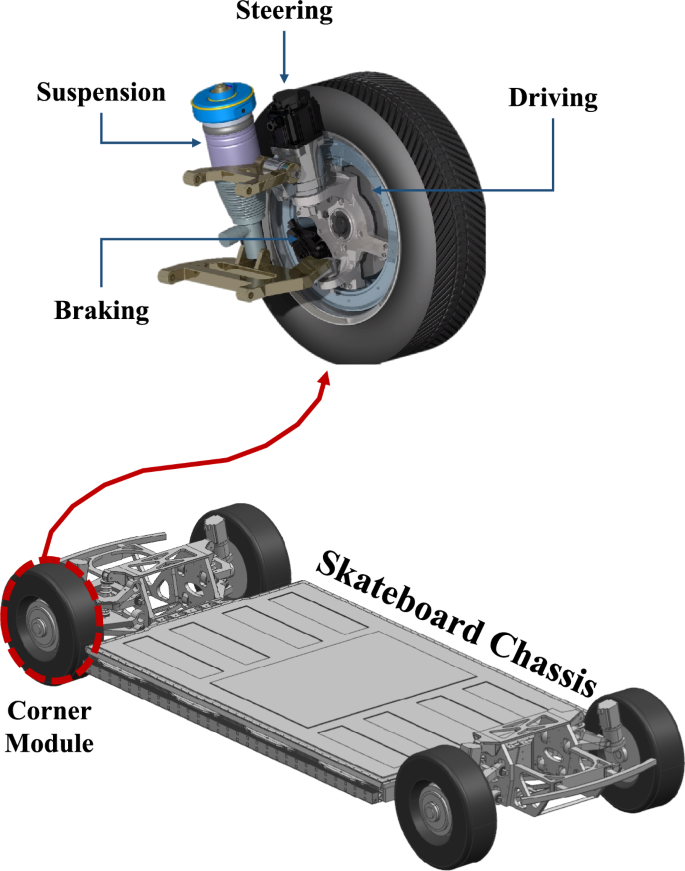
Credit: cjme.springeropen.com
Frequently Asked Questions
What Is The Main Purpose Of Car Suspension?
Car suspension helps keep the car stable and smooth on rough roads. It absorbs shocks from bumps.
How Do Shock Absorbers Work In Suspension?
Shock absorbers slow down the car’s springs to reduce bouncing and improve control.
What Are The Key Parts Of A Car Suspension System?
Springs, shock absorbers, struts, and control arms are the main parts of suspension.
Why Is Suspension Important For Vehicle Safety?
Suspension keeps tires in contact with the road, improving steering and braking safety.
How Often Should Car Suspension Be Checked Or Replaced?
Check suspension every 12,000 miles or if you feel unusual bumps or noises.
Conclusion
Car suspension keeps your ride smooth and safe. It absorbs bumps and holds the car steady. Springs, shocks, and struts work together to do this job. Good suspension helps control the car on rough roads. It also protects other parts from damage.
Understanding how suspension works helps you care for your vehicle better. A well-maintained suspension makes driving more comfortable and safer. Simple but important. Keep it in good shape for a better drive.