How A Car Transmission Works: Unlocking Vehicle Power Explained
Last Updated on August 17, 2026
Have you ever wondered what makes your car move smoothly when you shift gears? Understanding how a car transmission works can give you a clearer picture of what’s happening under the hood.
Whether you’re curious about how your car changes speed or want to keep your vehicle running longer, knowing the basics of your transmission is key. You’ll discover simple explanations that break down complex parts into easy ideas. By the end, you’ll feel more confident about your car and ready to spot potential issues before they become costly problems.
Let’s dive in and unlock the mystery behind your car’s transmission!
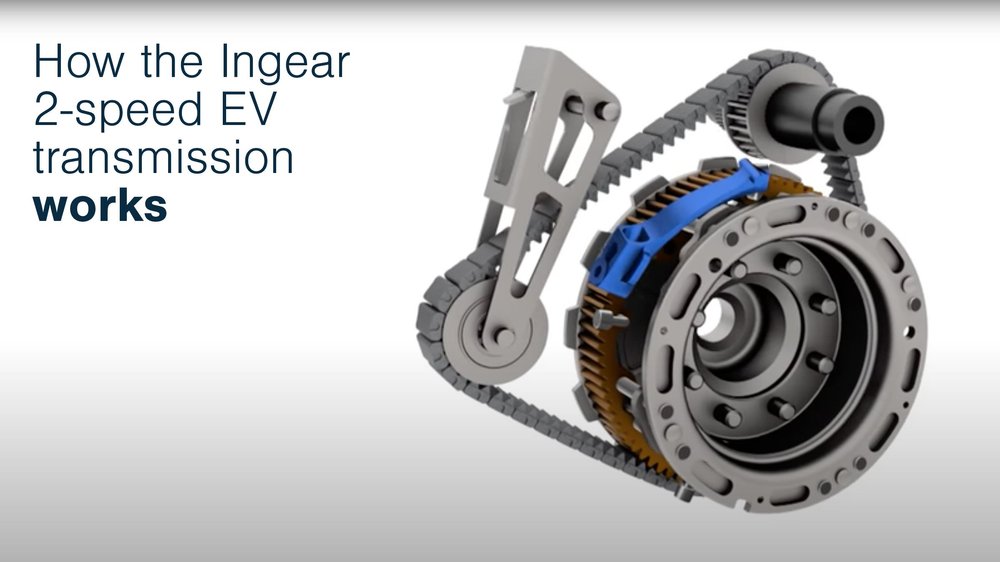
Credit: www.inmotive.com
Car Transmission Basics
A car transmission helps the engine send power to the wheels. It controls the speed and torque of the car.
Understanding how transmissions work can help you know more about your vehicle’s performance and maintenance.
Types Of Transmissions
There are several types of transmissions used in cars today. Each type changes gears differently to adjust speed and power.
- Manual Transmission: The driver changes gears using a clutch and gear stick.
- Automatic Transmission: The car changes gears automatically without driver input.
- Continuously Variable Transmission (CVT): Uses belts and pulleys for smooth gear changes without steps.
- Semi-Automatic Transmission: Combines manual control with automatic gear changes.
Key Components
Car transmissions have many parts that work together to transfer power from the engine to the wheels.
| Component | Function |
|---|---|
| Clutch | Connects and disconnects the engine from the transmission in manual cars. |
| Gearbox | Contains gears that change the car’s speed and torque. |
| Torque Converter | Used in automatic transmissions to transfer engine power smoothly. |
| Drive Shaft | Sends power from the transmission to the wheels. |
| Synchronizers | Help match gear speeds for smooth shifting in manual transmissions. |
Gear Shifting Mechanism
The gear shifting mechanism helps a car change speeds smoothly. It controls how power moves from the engine to the wheels.
This system adjusts engine power to match driving conditions. It keeps the engine running efficiently and saves fuel.
Manual Transmission Process
In manual transmission, the driver changes gears using a clutch and gear stick. The clutch disconnects the engine from the wheels.
The driver presses the clutch pedal to shift gears. Then, they move the gear stick to select the right gear.
- The clutch pedal is pressed to stop power flow.
- The driver moves the gear stick to a new gear.
- The clutch pedal is released to reconnect power.
- The car moves smoothly at a new speed.
Automatic Transmission Process
Automatic transmission changes gears without driver input. It uses sensors and a computer to decide when to shift.
The system uses hydraulic pressure and clutches to switch gears. This lets the car drive smoothly without a clutch pedal.
- Sensors check vehicle speed and engine load.
- The computer chooses the best gear for current driving.
- Hydraulic systems engage the right gear smoothly.
- The car adjusts speed without driver gear changes.
Power Flow Through Transmission
A car transmission helps send power from the engine to the wheels. It changes the engine’s speed and torque to match driving needs. The transmission makes the car move smoothly at different speeds.
Power flows from the engine into the transmission. Inside, gears and other parts adjust this power. Then, the power goes to the wheels to move the car forward or backward.
Torque Conversion
Torque is the force that helps the car start moving. The transmission changes engine torque to give the right power to the wheels. High torque helps with starting and climbing hills.
The transmission uses gears to change torque levels. Low gears give more torque but less speed. High gears give more speed but less torque. This helps the car drive well in different conditions.
Role Of Clutch And Torque Converter
The clutch and torque converter connect the engine to the transmission. They let the car start and stop without stalling. They also allow smooth gear changes.
The clutch is used in manual cars. It disconnects the engine power when shifting gears. The torque converter is found in automatic cars. It uses fluid to transfer power smoothly.
- Clutch stops power to change gears in manuals
- Torque converter transfers power using fluid in automatics
- Both help the car start, stop, and shift smoothly

Credit: www.whocanfixmycar.com
Common Transmission Issues
Car transmissions are complex systems that need care. Problems can cause poor driving experience.
Knowing the signs of trouble helps prevent costly repairs. Maintenance keeps the transmission working well.
Signs Of Transmission Trouble
Watch for these signs to spot transmission problems early:
- Delayed or rough shifting between gears
- Strange noises like grinding or whining
- Transmission fluid leaks under the car
- Burning smell from the transmission
- Warning lights on the dashboard
- Car slipping out of gear
Maintenance Tips
Regular care helps extend the life of your transmission. Follow these maintenance tips:
| Maintenance Task | Why It Matters | How Often |
| Check transmission fluid | Keeps parts lubricated and cool | Monthly |
| Change transmission fluid | Removes dirt and prevents wear | Every 30,000 to 60,000 miles |
| Inspect for leaks | Prevents fluid loss and damage | During oil changes |
| Avoid heavy towing | Reduces strain on transmission | As needed |
| Use correct transmission fluid | Ensures proper operation | Always |

Credit: www.carparts.com
Frequently Asked Questions
What Is The Main Purpose Of A Car Transmission?
A car transmission helps control the engine’s power to move the wheels efficiently.
How Do Automatic And Manual Transmissions Differ?
Manual requires gear changes by the driver; automatic shifts gears on its own.
Why Is Transmission Fluid Important For A Car?
Transmission fluid lubricates and cools parts, keeping the transmission working smoothly.
How Does A Transmission Affect Car Fuel Efficiency?
Proper transmission use helps the engine run better, saving fuel and power.
What Are Common Signs Of Transmission Problems?
Slipping gears, strange noises, or delayed shifting often signal transmission issues.
Conclusion
A car transmission helps control the power from the engine. It changes gears to match the speed and road conditions. This keeps the engine running smoothly and saves fuel. Understanding how it works makes it easier to care for your car.
Regular checks and simple maintenance can prevent problems. Knowing this helps you drive better and avoid costly repairs. A smooth transmission means a safer, more comfortable ride every time. Keep these basics in mind for your car’s health and your peace of mind.