Importance Of Emergency Brakes: Essential Safety Tips You Need
Last Updated on August 17, 2026
Have you ever thought about what could happen if your regular brakes fail while driving? Your emergency brakes are not just an extra feature—they could be the difference between a close call and a serious accident.
Understanding the importance of emergency brakes can keep you and your loved ones safe on the road. You’ll discover why these brakes matter, how they work, and what you need to do to make sure they are always ready when you need them most.
Keep reading, because knowing this could save your life.

Credit: www.icartea.com
Role Of Emergency Brakes
Emergency brakes help stop a vehicle quickly in urgent situations. They add extra safety when regular brakes fail.
Using emergency brakes can prevent accidents and keep drivers and passengers safe on the road.
How Emergency Brakes Work
Emergency brakes work by applying force to the wheels. This slows the car down when the main brakes do not work well.
They usually use a cable system that tightens the brake pads against the wheels to stop the vehicle.
- Operated by a lever or a pedal inside the car
- Connects directly to rear wheels for added stopping power
- Works independently from the main brake system
Common Situations For Use
Emergency brakes are useful in many situations. They help when the main brakes fail or lose power.
Drivers also use emergency brakes when parking on hills to keep the car from rolling.
- If the regular brakes stop working suddenly
- When the car needs to be stopped fast in an emergency
- While parking on steep slopes
- To hold the vehicle steady during roadside repairs
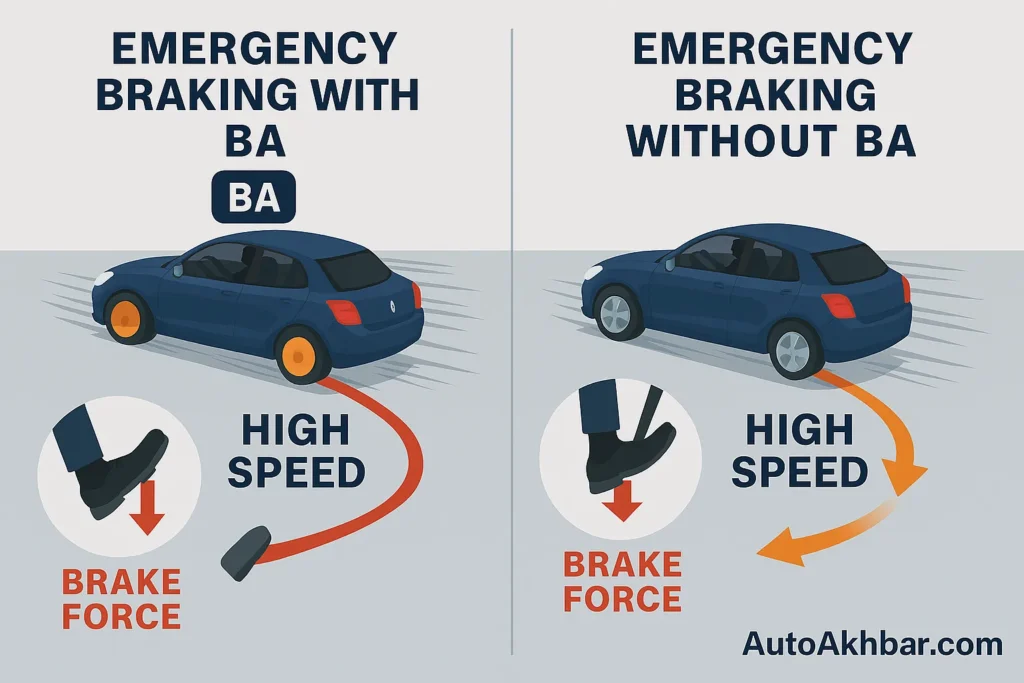
Credit: autoakhbar.com
Safety Benefits
Emergency brakes play a vital role in vehicle safety. They act as a backup braking system in case the main brakes fail.
Using emergency brakes helps drivers avoid dangerous situations and maintain control on the road.
Preventing Accidents
Emergency brakes help prevent accidents by stopping the vehicle quickly in emergencies. They reduce the risk of collisions and protect passengers.
- Stop the car if the main brakes fail
- Prevent the vehicle from rolling on slopes
- Assist in sudden stops during brake failure
- Provide extra safety during parking on hills
Enhancing Vehicle Control
Emergency brakes improve vehicle control by giving the driver more options to slow down or stop. They help maintain stability in tricky situations.
| Situation | How Emergency Brakes Help |
| Main brake failure | Stops the car safely |
| Parking on an incline | Keeps the vehicle from rolling |
| Slippery roads | Improves control during slow stops |
Proper Usage Techniques
Emergency brakes help stop your car in critical moments. Using them right keeps you safe on the road.
Knowing when and how to use emergency brakes prevents accidents and car damage. Practice these techniques.
When To Apply Emergency Brakes
Use emergency brakes if your main brakes fail. It helps slow the car safely.
Apply emergency brakes when your vehicle starts to roll on a hill. It keeps the car still.
- If your foot brake stops working
- When parking on steep slopes
- If you need to stop quickly and the main brakes fail
Steps For Safe Engagement
Pull the emergency brake handle or press the pedal slowly. Avoid jerky movements to keep control.
Hold the brake until the vehicle stops completely. Release it only when you are ready to move again.
- Grasp the emergency brake firmly
- Pull or push slowly and steadily
- Check the vehicle is stopped before releasing
- Release gently to prevent sudden movements

Credit: www.bikesales.com.au
Maintenance And Checks
Emergency brakes are essential for vehicle safety. Regular maintenance helps keep them working well.
Checking the emergency brake often can prevent accidents and costly repairs.
Regular Inspection Tips
Look at the brake components for wear and damage. Test the brake lever or pedal for proper tension.
- Check brake cable for rust or fraying
- Ensure brake pads are not too thin
- Test the brake lever for smooth movement
- Listen for unusual noises when using the brake
- Make sure the brake holds the vehicle on slopes
Signs Of Brake Wear
Worn brakes show clear signs. Watch for changes in brake feel or sounds.
| Sign | What It Means | Action |
| Loose brake lever | Brake cable may be stretched | Adjust or replace cable |
| Squeaking noise | Brake pads are worn | Replace pads |
| Brake does not hold | Brake needs adjustment | Tighten cable or check mechanism |
| Rust on parts | Corrosion weakens brake | Clean or replace parts |
Frequently Asked Questions
What Is The Main Purpose Of Emergency Brakes?
Emergency brakes help stop a vehicle quickly during brake failure or urgent situations.
How Do Emergency Brakes Differ From Regular Brakes?
Emergency brakes work separately and are used only in emergencies or parking situations.
When Should You Use The Emergency Brake In A Car?
Use it if your main brakes fail or when parking on steep slopes.
Are Emergency Brakes Important For Vehicle Safety?
Yes, they provide backup stopping power and prevent accidents when main brakes fail.
How Often Should Emergency Brakes Be Checked Or Maintained?
Check and maintain emergency brakes regularly, at least during routine vehicle inspections.
Conclusion
Emergency brakes keep you safe in sudden stops or failures. They help control your vehicle when regular brakes don’t work well. Using them correctly can prevent accidents and injuries. Regular checks ensure they are ready when needed. Remember, knowing how to use emergency brakes saves lives.
Stay alert and maintain your brakes for safer driving every day. Safety starts with small steps like this.