

Role Of Shock Absorbers In A Car: Essential Safety & Comfort Guide
Last Updated on August 17, 2026
Have you ever wondered why your car feels smooth even on bumpy roads? The secret lies in a small but powerful part called shock absorbers.
These hidden heroes play a crucial role in keeping your ride comfortable and safe. If you want to know how shock absorbers protect you and improve your driving experience, keep reading. Understanding their role could change the way you care for your car—and your safety on the road.
How Shock Absorbers Work
Shock absorbers help keep a car smooth and safe. They control the movement of the car’s springs. This makes the ride comfortable and stable.
They work by turning the up and down motion of the wheels into heat. This heat then fades away, stopping the car from bouncing too much.
Basic Mechanics
A shock absorber has a piston inside a tube filled with fluid or gas. When the car hits a bump, the piston moves inside the tube. The fluid slows down the piston’s movement. This controls the car’s bounce.
- The piston has small holes to let the fluid pass through.
- Passing fluid creates resistance and reduces speed.
- This stops the car from jumping or shaking too much.
- Shock absorbers also keep the tires on the road for better grip.
Types Of Shock Absorbers
There are different types of shock absorbers. They work in slightly different ways but all help control the car’s motion.
| Type | Description | Common Use |
| Twin-tube | Has two tubes, one inside the other. Fluid moves between tubes. | Most cars use these for a smooth ride. |
| Mono-tube | Has one large tube with gas and fluid separated by a piston. | Used in sports cars for better handling. |
| Gas-charged | Contains pressurized gas to reduce fluid foaming. | Improves ride stability on rough roads. |
| Adjustable | Allows changing the stiffness of the shock absorber. | Used in performance and off-road vehicles. |

Credit: allaroundautorepair.com
Impact On Vehicle Safety
Shock absorbers play a key role in keeping a car safe. They control the movement of the car’s springs and wheels.
Without good shock absorbers, a car can bounce too much. This makes it harder to drive safely.
Maintaining Tire Contact
Shock absorbers keep the tires in contact with the road. This helps the car stay steady and balanced.
If tires lose contact, the car can slip or slide. Good shock absorbers reduce this risk by controlling wheel motion.
- Absorb bumps and shocks from the road
- Prevent tires from bouncing off the surface
- Keep tires firmly planted for better control
Enhancing Braking Performance
Shock absorbers help the car stop faster and safer. They reduce the weight shift when braking.
By controlling the car’s movement, shock absorbers keep the tires from locking up. This improves brake grip on the road.
- Minimize front-end dive during braking
- Maintain steady tire contact for better stopping
- Help avoid skidding and loss of control
Boosting Ride Comfort
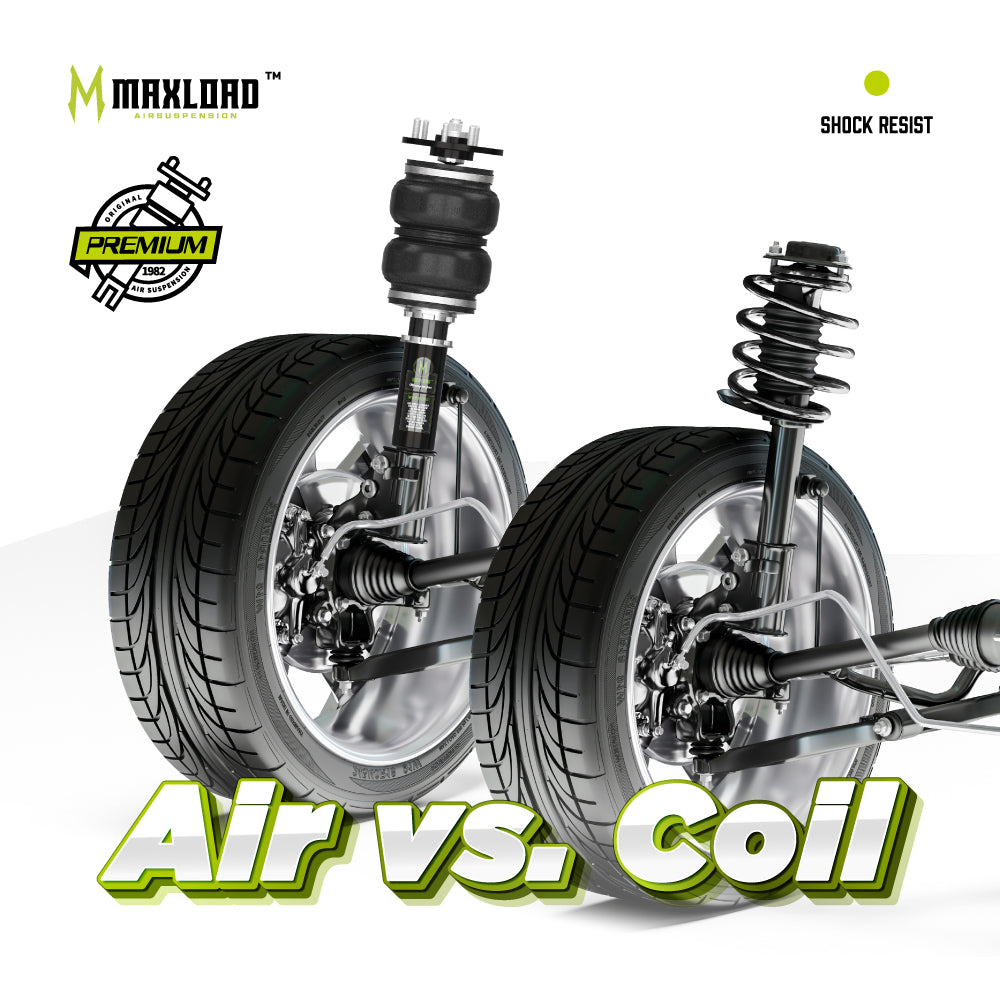
Shock absorbers play a key role in making car rides smooth and comfortable. They help control the movement of the car’s suspension system.
Good shock absorbers reduce bumps and vibrations felt inside the car. This improves the overall driving experience.
Reducing Vibrations
Shock absorbers reduce the shaking caused by rough roads. They stop the car from bouncing too much after hitting a bump.
By controlling vibrations, shock absorbers protect the car parts and keep passengers comfortable during the ride.
Smoothing Road Bumps
Shock absorbers help the car wheels stay on the ground after hitting bumps. This prevents sudden jolts inside the vehicle.
They absorb the energy from bumps and spread it out slowly. This makes the ride feel gentle and smooth.
Credit: www.maxloadstance.com
Signs Of Worn Shock Absorbers
Shock absorbers help keep your car stable and smooth. They absorb bumps and control the car’s bounce.
Worn shock absorbers can make driving unsafe. It is important to know the signs they need replacing.
Common Symptoms
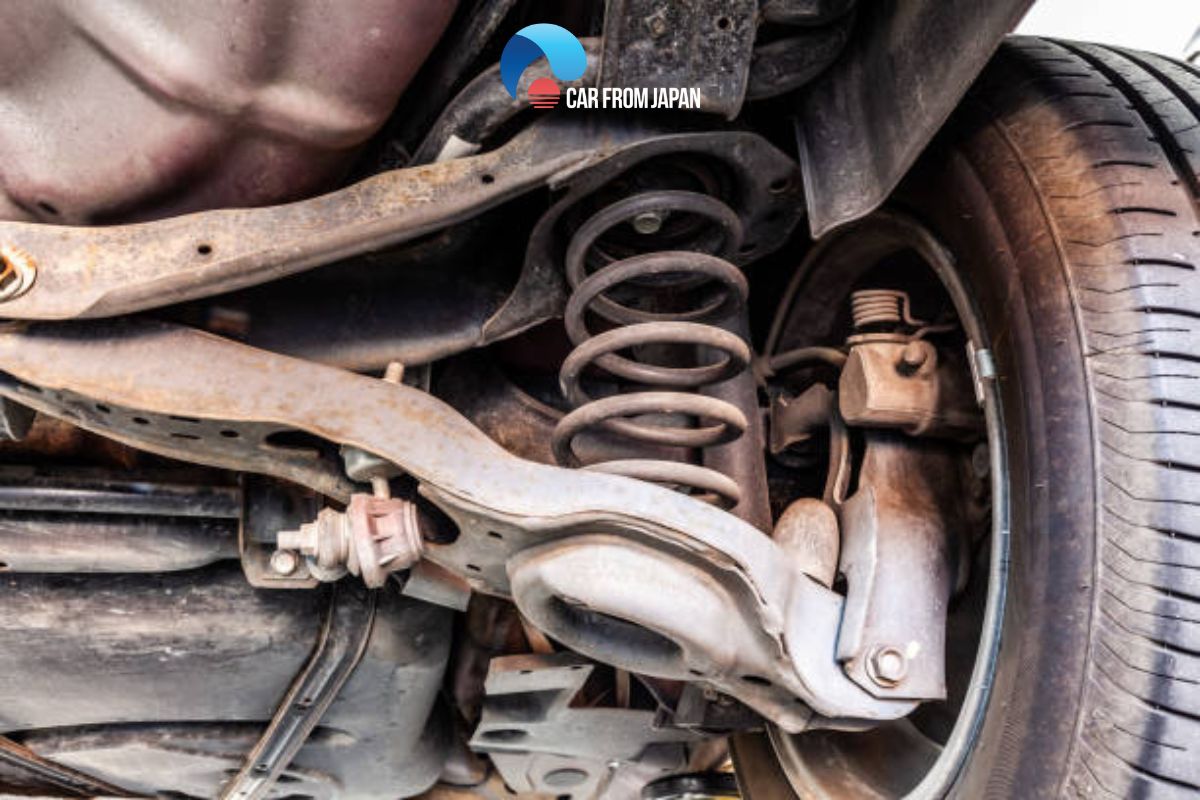
When shock absorbers wear out, you may notice changes in how your car drives. These changes show the shocks are not working well.
- Car bounces more after hitting a bump
- Steering feels loose or less responsive
- Longer stopping distances when braking
- Uneven tire wear on the wheels
- Fluid leaks near the shock absorbers
- Car nose dives when braking
- Excessive body roll on turns
When To Replace
Replace shock absorbers if you notice the symptoms often. Also, check them every 50,000 miles or as your car manual says.
Replacing shocks on time keeps your car safe and comfortable. It prevents more damage to other parts.
- After frequent bouncing or poor handling
- If you see oil leaks on shocks
- When tires wear unevenly
- If braking feels unsafe
- Following your car’s maintenance schedule
Credit: carfromjapan.com
Frequently Asked Questions
What Do Shock Absorbers Do In A Car?
Shock absorbers control the car’s bounce and keep the ride smooth and safe.
How Do Shock Absorbers Improve Car Safety?
They keep tires on the road, helping maintain control and reduce accidents.
When Should Shock Absorbers Be Replaced?
Replace them if the car feels bouncy, or if you see leaks or damage.
Can Bad Shock Absorbers Damage Other Car Parts?
Yes, worn shocks can cause tire wear and strain on suspension parts.
How Do Shock Absorbers Affect Fuel Efficiency?
Good shocks help maintain steady driving, which can improve fuel use slightly.
Conclusion
Shock absorbers keep your car smooth and safe on the road. They reduce bumps and control the vehicle’s movement. Good shock absorbers help your tires stay on the ground. This improves braking and steering control. Worn shocks can make driving uncomfortable and unsafe.
Check them regularly to avoid problems. Proper maintenance saves money and protects your car. Remember, shock absorbers play a key role in your driving experience. Keep them in good shape for a safer ride.


