

Common Steering Problems And Fixes: Quick Solutions You Need
Last Updated on August 17, 2026
Have you ever felt your steering wheel pull to one side or noticed strange noises when you turn? These common steering problems can make driving stressful and unsafe.
But don’t worry—you don’t have to be a mechanic to understand what’s going wrong or how to fix it. You’ll discover the most frequent steering issues and simple solutions that can save you time, money, and headaches. Keep reading to take control of your vehicle’s steering and drive with confidence again.
Signs Of Steering Issues
Your car’s steering system helps you control the direction. Problems here can be dangerous.
Knowing the signs of steering issues can help you fix them early. This keeps driving safe.
Unusual Noises
Hearing strange sounds when you turn the wheel is a common sign of steering trouble.
These noises can be squeaks, clunks, or grinding sounds. They often mean worn parts or low fluid.
- Squeaking may mean dry steering components
- Clunking can show loose or broken parts
- Grinding often points to low power steering fluid
Steering Wheel Vibrations
If your steering wheel shakes while driving, there is likely a problem in the steering or suspension.
Vibrations can happen from unbalanced wheels, worn tie rods, or damaged steering racks.
- Unbalanced wheels cause shaking at high speeds
- Worn tie rods make the wheel feel loose and shaky
- Damaged steering racks create uneven vibrations
Difficulty Turning
Hard-to-turn steering wheels show a serious problem. You may feel resistance or stiffness.
This can come from low power steering fluid, a failing pump, or damaged steering gears.
- Low power steering fluid makes turning heavy
- Failing power steering pumps reduce fluid pressure
- Damaged gears or belts block smooth steering

Credit: www.prestoneuk.com
Causes Of Common Problems
Steering problems can make driving hard and unsafe. Knowing the causes helps fix them fast.
This guide explains three common causes of steering issues and how they happen.
Worn Out Power Steering Fluid
Power steering fluid helps the steering system work smoothly. Over time, the fluid can get dirty or leak out. Low or old fluid makes steering stiff or noisy.
- Fluid leaks from hoses or seals
- Contaminated fluid loses its power
- Fluid level drops below the minimum mark
- Poor maintenance or long use without change
Damaged Steering Rack
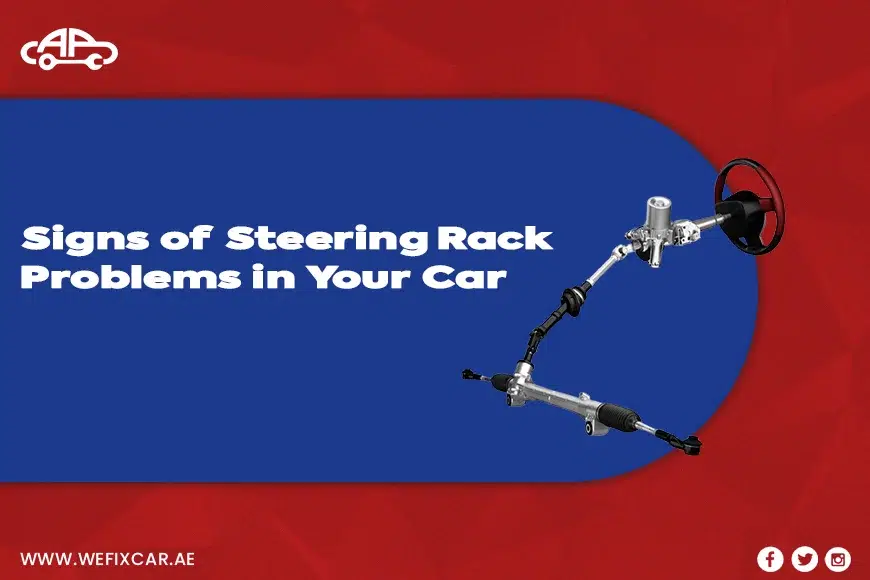
The steering rack turns your steering wheel movements into tire turns. Damage to the rack causes loose or uneven steering. It can happen from accidents or wear over time.
| Cause | Effect on Steering |
| Worn internal parts | Loose steering feel |
| Leaking seals | Fluid loss and harder steering |
| Physical damage | Steering pull or noise |
Loose Or Worn Tie Rods
Tie rods connect the steering rack to the wheels. If they are loose or worn, your wheels may not respond well. This causes shaky or wandering steering.
Common signs of bad tie rods:
- Uneven tire wear
- Steering wheel vibration
- Clunking noise when turning
- Difficulty keeping the car straight
Quick Fixes For Steering Troubles
Steering problems can make driving unsafe and uncomfortable. Some issues are easy to fix with basic checks and simple repairs.
This guide covers quick fixes for common steering troubles. Follow these tips to keep your steering smooth and responsive.
Checking And Refilling Fluid
Low or dirty power steering fluid causes stiff or noisy steering. Check the fluid level regularly and refill if needed.
- Locate the power steering reservoir under the hood.
- Check fluid level using the dipstick or marks on the reservoir.
- If low, add the recommended fluid type slowly.
- Look for leaks around hoses and connections.
- Replace fluid if it looks dark or smells burnt.
Replacing Faulty Parts
Worn or damaged parts cause loose or jerky steering. Replace faulty components to restore proper control.
| Part | Common Issue | Fix |
| Tie Rod Ends | Steering play or noise | Replace worn tie rods |
| Power Steering Pump | Whining noise, poor assist | Install new pump |
| Steering Rack | Fluid leaks, uneven steering | Repair or replace rack |
| Ball Joints | Steering looseness | Change worn ball joints |
Aligning The Wheels
Misaligned wheels cause pulling and uneven tire wear. Correct alignment improves steering and tire life.
Follow these tips for wheel alignment checks:
- Drive on a flat surface and check if the car pulls to one side.
- Inspect tires for uneven wear patterns.
- Use an alignment service or DIY alignment tools to adjust toe and camber angles.
- After alignment, test drive to confirm smooth steering.
Credit: wefixcar.ae
Preventive Maintenance Tips
Keeping your car’s steering system in good shape helps avoid big problems. Regular care stops issues before they start.
Simple checks and good habits keep your steering smooth and safe. Learn easy tips to protect your steering system.
Regular Fluid Checks
Steering systems need fluid to work well. Check the power steering fluid often to avoid damage.
Look for low fluid levels or dirty fluid. Change the fluid if it looks dark or smells bad.
- Check fluid every month or as your car manual says
- Use the right type of fluid for your car
- Fix leaks quickly to keep fluid at the right level
Timely Part Inspections
Parts like tie rods, ball joints, and steering racks wear out over time. Inspect these parts regularly.
Look for signs of wear like looseness, noise, or uneven tire wear. Replace worn parts before they fail.
- Check parts every 10,000 miles or during oil changes
- Listen for unusual sounds while turning
- Watch for steering wheel vibration or play
Proper Driving Habits
Driving carefully helps protect your steering system. Avoid sharp turns and sudden stops.
Slow down on rough roads and avoid hitting curbs or potholes. This reduces stress on steering parts.
- Drive smoothly to reduce steering wear
- Avoid aggressive turns and fast stops
- Watch road conditions and steer clear of hazards

Credit: www.mechamz.co.uk
Frequently Asked Questions
What Causes A Car’s Steering To Feel Stiff Or Hard?
Steering can feel stiff due to low power steering fluid or worn steering components.
Why Does My Steering Wheel Vibrate While Driving?
Vibration often comes from unbalanced tires, worn suspension parts, or loose steering parts.
How To Fix A Steering Wheel That Pulls To One Side?
Pulling usually means misaligned wheels or uneven tire pressure; realignment or tire check helps.
What Does A Squealing Noise When Turning Mean?
Squealing sounds often point to a loose or worn power steering belt.
Can Low Power Steering Fluid Cause Steering Problems?
Yes, low fluid reduces steering assist, making steering harder and causing noise.
Conclusion
Steering problems can affect your safety and driving comfort. Watch for signs like unusual noises, stiffness, or pulling. Fix small issues early to avoid bigger repairs. Regular checks help keep your steering smooth and reliable. Trust a mechanic if you feel unsure or notice serious problems.
Taking care of your steering keeps you in control on the road. Stay alert and maintain your vehicle often for safer drives.


