How Brake Fluid Works: Essential Guide to Safety and Performance
Last Updated on August 17, 2026
Have you ever wondered what really happens when you press your car’s brake pedal? Understanding how brake fluid works can give you a clearer picture of what keeps you safe every time you hit the brakes.
Your vehicle’s braking system depends on this special fluid to transfer force and stop your car smoothly and quickly. If you want to know why brake fluid is so important and how it plays a key role in your safety, keep reading.
This simple insight could help you avoid costly repairs and keep your brakes in top shape.
Brake Fluid Basics
Brake fluid is a special liquid used in vehicles to help stop the car. It moves pressure from the brake pedal to the brake pads. Without brake fluid, your brakes would not work well.
This fluid must be clean and work well under heat. It also needs to resist water and keep the braking system safe.
Types Of Brake Fluid
There are different types of brake fluid. Each type works for different cars and systems. The main types are DOT 3, DOT 4, DOT 5, and DOT 5.1.
- DOT 3:Common in many cars, absorbs moisture over time.
- DOT 4:Has a higher boiling point, good for newer vehicles.
- DOT 5:Silicone-based, does not absorb water, used in special cases.
- DOT 5.1:Combines benefits of DOT 3 and DOT 4, used in high-performance cars.
Key Properties
Brake fluid has important properties. These help it work well and keep brakes safe. The key properties are boiling point, viscosity, and water absorption.
| Property | Description | Importance |
|---|---|---|
| Boiling Point | Temperature where fluid boils | High boiling point prevents brake failure |
| Viscosity | Thickness or flow of the fluid | Affects how fluid moves through brake parts |
| Water Absorption | Ability to absorb moisture | Too much water lowers boiling point and causes rust |

Credit: www.whocanfixmycar.com
Role In Brake Systems
Brake fluid is very important for car brakes to work well. It helps move the force from the brake pedal to the brake parts.
The fluid works inside the brake system to make sure the car can stop safely and quickly.
Hydraulic Pressure Transmission
Brake fluid transfers pressure from the brake pedal to the brake pads. When you press the pedal, the fluid pushes parts that stop the wheels.
The fluid does not compress, so it sends pressure quickly and evenly. This helps the brakes work properly every time.
- Pressure moves through brake lines filled with fluid
- Fluid pushes brake pads to touch the wheel discs
- Stops the car by creating friction
Heat Resistance
Brakes create heat when they stop the car. Brake fluid must handle this heat without boiling or breaking down.
If the fluid boils, it forms bubbles. These bubbles make the brakes less effective and can cause failure.
- High boiling point prevents vapor bubbles
- Keeps brake system working in hot conditions
- Maintains safe braking performance
Maintenance Tips
Brake fluid is vital for your vehicle’s stopping power. Keeping it in good condition helps ensure safety on the road.
Regular checks and timely replacements keep the braking system working well. Learn how to maintain brake fluid properly.
Checking Fluid Levels
Check the brake fluid level at least once a month. Low fluid can cause brake failure or poor brake response.
- Find the brake fluid reservoir under the hood.
- Look at the markings for minimum and maximum levels.
- Make sure the fluid is clear or light amber in color.
- Do not overfill or spill the fluid on painted surfaces.
- If fluid is low, top it up with the recommended brake fluid type.
When To Replace Brake Fluid
Brake fluid should be replaced regularly to keep it free from moisture and contaminants.
| Condition | Signs | Recommended Action |
| Old or Contaminated Fluid | Dark color or cloudy appearance | Flush and replace with new fluid |
| Moisture in Fluid | Spongy brake pedal or longer stopping distances | Replace fluid immediately |
| Time Interval | Every 2 years or 24,000 miles | Schedule brake fluid change |

Credit: medium.com
Common Issues And Solutions
Brake fluid is important for your car’s braking system. It moves pressure from the pedal to the brakes. Problems with brake fluid can cause brake failure.
Knowing common issues with brake fluid helps you keep your car safe. This guide explains two main problems and their fixes.
Brake Fluid Leaks
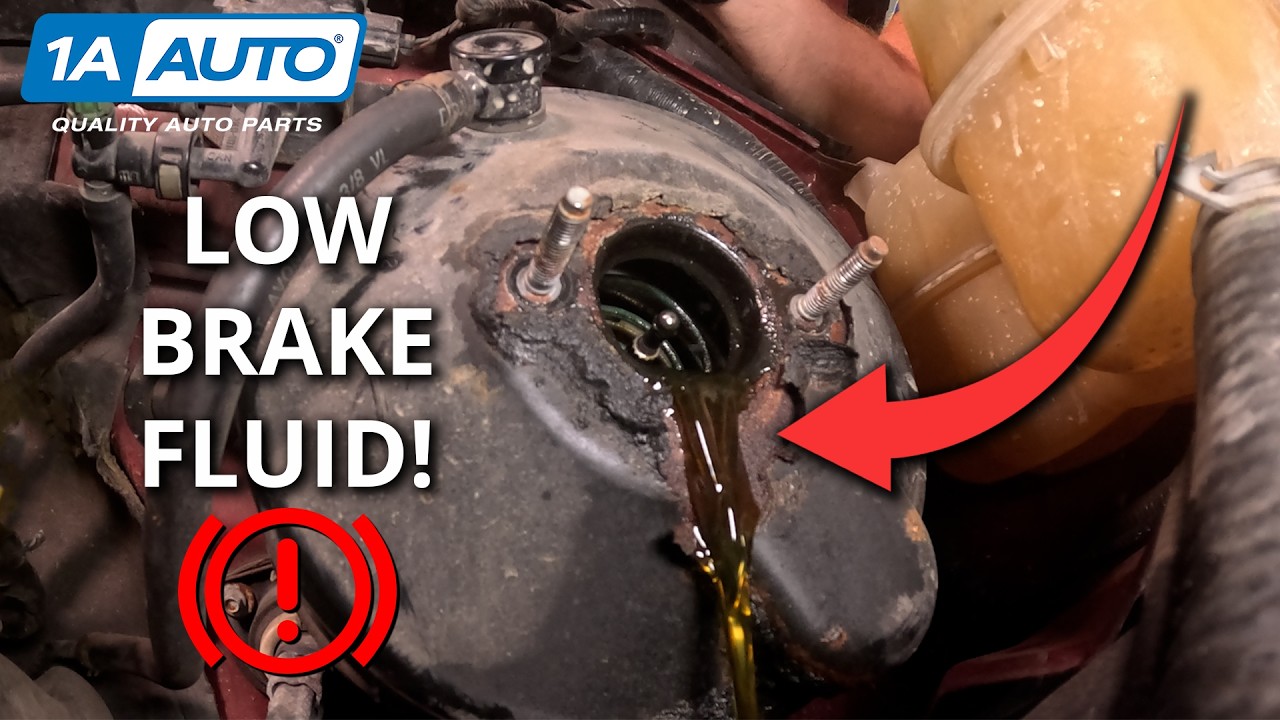
Brake fluid leaks happen when the fluid escapes from the system. This lowers the fluid level and reduces brake pressure. Leaks often cause a soft brake pedal.
Leaks can come from worn seals, broken lines, or damaged brake parts. Fixing leaks quickly stops brake failure and keeps you safe.
- Check brake lines and connections for damage
- Replace worn or cracked seals
- Fix or replace broken brake hoses
- Refill brake fluid to the correct level after repair
Contamination Effects
Brake fluid can get contaminated with water, dirt, or air. Contamination lowers the fluid’s boiling point. This can cause brake fade or failure.
Dirty or old brake fluid damages brake parts. It also causes corrosion inside the brake system. Regular fluid changes keep brakes working well.
- Water in brake fluid causes boiling and loss of braking power
- Dirt clogs brake parts and reduces brake response
- Air in the system causes a spongy brake pedal feel
- Flush and replace brake fluid every 2 years or as needed
Credit: www.youtube.com
Frequently Asked Questions
What Is The Role Of Brake Fluid In A Car’s Braking System?
Brake fluid transfers force from the brake pedal to the brake pads, helping the car stop safely.
How Does Brake Fluid Maintain Pressure In The Braking System?
It creates hydraulic pressure that pushes brake pads against the wheels to slow or stop the vehicle.
Why Is It Important To Check Brake Fluid Regularly?
Low or dirty brake fluid can cause brakes to fail or work poorly, risking safety.
How Often Should Brake Fluid Be Changed?
Brake fluid should be replaced every 2 years or as recommended by the vehicle maker.
What Happens If Brake Fluid Gets Contaminated With Water?
Water in brake fluid reduces its boiling point, leading to brake fade and less braking power.
Conclusion
Brake fluid plays a key role in your car’s safety. It moves pressure from the pedal to the brakes. This pressure helps stop your vehicle quickly and smoothly. Keeping brake fluid clean and full matters a lot. Old or low fluid can cause brake problems.
Regular checks keep your brakes working well. Knowing how brake fluid works helps you stay safe. Take care of your brake system often. Drive with confidence and peace of mind.