

How A Car Battery Works: Essential Guide to Power Your Ride
Last Updated on August 17, 2026
Have you ever wondered what makes your car start with just a turn of the key? The answer lies in a small but powerful part under your hood – the car battery.
Understanding how a car battery works can save you from unexpected breakdowns and costly repairs. You’ll discover exactly what happens inside your battery and why it’s crucial for your vehicle’s performance. Keep reading, and you’ll gain simple yet valuable insights that can help you take better care of your car every day.
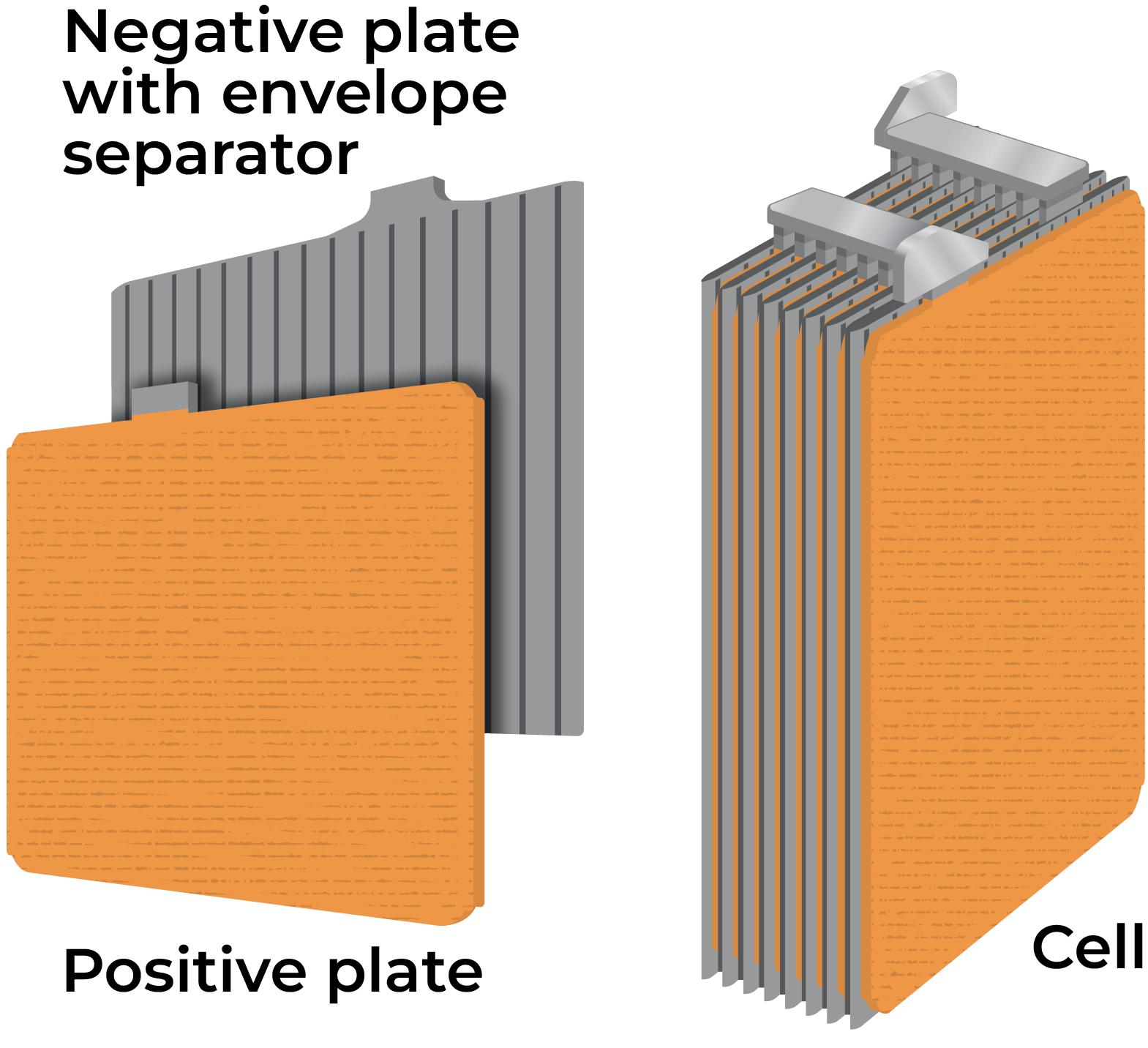
Credit: www.autobatteries.com
Car Battery Basics
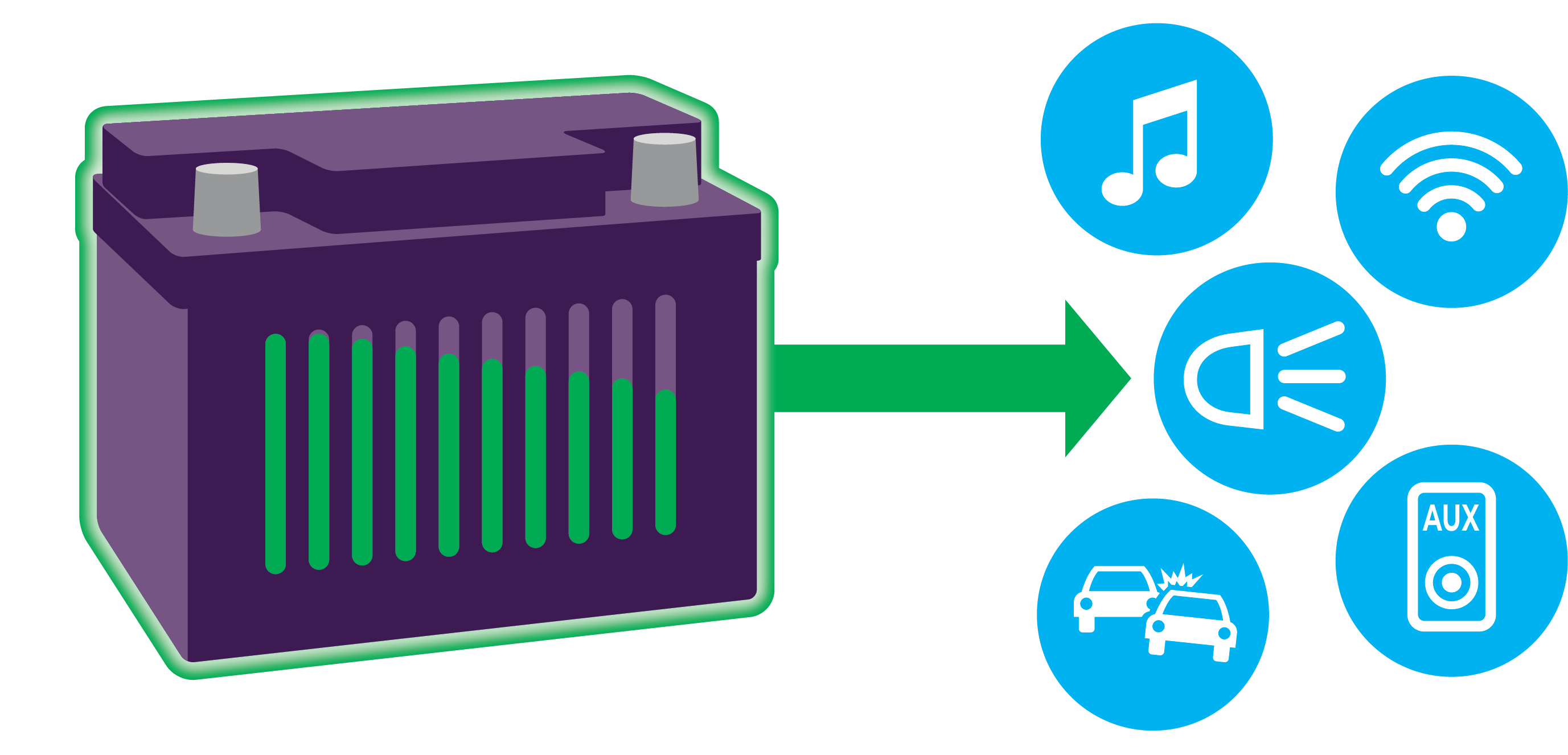
A car battery stores electrical energy to start the engine. It also powers lights and electronics when the engine is off.
Understanding how a car battery works helps you maintain it and avoid breakdowns.
Types Of Car Batteries
Car batteries come in different types. Each type has unique features and uses.
- Lead-acid batteries: Most common and affordable, good for everyday cars.
- AGM (Absorbent Glass Mat) batteries: More durable and resistant to vibration.
- Gel batteries: Use gel electrolyte, ideal for deep cycling and off-road vehicles.
- Calcium batteries: Have added calcium for longer life and less water loss.
Key Components
A car battery has several parts that work together to create power.
| Component | Description |
| Positive Plate | Made of lead dioxide, it acts as the cathode. |
| Negative Plate | Made of sponge lead, it acts as the anode. |
| Electrolyte | Liquid sulfuric acid that helps carry electric charge. |
| Separators | Prevent plates from touching and causing a short circuit. |
| Battery Case | Holds all parts and protects them from damage. |
Battery Charging Process
A car battery stores electrical energy to start the engine. It needs to recharge to keep working well. The charging process happens while the car runs.
This process depends on parts inside the car and chemical changes inside the battery. Understanding these helps to know how the battery stays powered.
Role Of The Alternator
The alternator is a key part that charges the car battery. It creates electricity when the engine runs. This electricity flows to the battery and other car parts.
- The engine spins the alternator’s rotor.
- This spinning creates a magnetic field.
- The field generates electric current.
- The current charges the battery.
- It also powers lights and electronics.
Chemical Reactions Inside
Inside the battery, chemical reactions store and release energy. These reactions happen between lead plates and sulfuric acid.
| Process | Chemical Reaction | Effect |
| Charging | Lead sulfate + water → lead + lead dioxide + sulfuric acid | Battery stores energy |
| Discharging | Lead + lead dioxide + sulfuric acid → lead sulfate + water | Battery releases energy |
Common Battery Issues
Car batteries often face problems that stop them from working well. These problems can cause your car to not start or run poorly.
Knowing common battery issues helps you fix or avoid them. This keeps your car running smoothly.
Signs Of A Failing Battery
A battery that is going bad shows clear signs. You can notice these signs before the battery stops working.
- Slow engine crank when starting the car
- Dim headlights or dashboard lights
- Check engine or battery warning light on
- Swollen or bloated battery case
- Corrosion on battery terminals
- Bad smell like rotten eggs near the battery
- Car frequently needs a jump start
Preventive Maintenance Tips
Taking care of your battery helps it last longer and work better. Simple steps can prevent most battery problems.
- Check battery terminals for corrosion and clean them
- Make sure battery is securely mounted to avoid damage
- Test battery voltage regularly with a multimeter
- Avoid leaving lights or accessories on when car is off
- Drive your car regularly to keep battery charged
- Keep battery case clean and dry
- Replace old batteries before they fail

Credit: swiftbatteryspecialist.sg
Choosing And Replacing Batteries
Car batteries power your vehicle’s engine and electronics. Choosing the right battery keeps your car running smoothly. Replacing old batteries prevents breakdowns and starting issues.
It is important to know what to look for when buying a new battery. Also, disposing of old batteries safely helps protect the environment.
Factors To Consider
Choose a battery that fits your car’s make and model. Check the size, power, and warranty before buying. Also, consider how long the battery lasts and the climate where you live.
- Battery size must match your vehicle’s requirements
- Cold cranking amps (CCA) should be enough for your climate
- Reserve capacity shows how long the battery lasts without charging
- Look for a good warranty period
- Choose a battery with a maintenance-free design if possible
Proper Disposal Methods
Car batteries contain harmful chemicals. Do not throw them in regular trash. Use safe methods to dispose of or recycle old batteries.
| Disposal Method | Description |
| Recycling Center | Take the old battery to a local recycling center for safe processing. |
| Auto Parts Store | Many stores accept old batteries for recycling when you buy a new one. |
| Hazardous Waste Facility | Special facilities handle battery waste safely to protect the environment. |
Credit: www.autobatteries.com
Frequently Asked Questions
What Is The Main Function Of A Car Battery?
A car battery provides the electrical energy needed to start the engine and power accessories.
How Does A Car Battery Store Energy?
It stores energy chemically and changes it into electricity when the car starts.
Why Does A Car Battery Lose Charge Over Time?
Batteries lose charge due to use, age, and exposure to heat or cold weather.
How Can I Tell If My Car Battery Is Failing?
Signs include slow engine start, dim lights, and electrical issues in the car.
How Long Does A Typical Car Battery Last?
Most car batteries last between 3 to 5 years under normal conditions.
Conclusion
A car battery stores electrical energy to start the engine. It sends power to the starter motor and lights. The battery also supports electrical parts when the engine runs. Regular checks keep it working well and lasting longer. Knowing how a battery works helps you spot problems early.
Simple care can save you time and money. A healthy battery means a smooth, reliable drive every time. Keep it charged and clean for best results. Understanding your car battery makes car care easier.


