

Importance Of Regular Fluid Checks: Essential Tips for Vehicle Health
Last Updated on August 17, 2026
Have you ever thought about how often you check the fluids in your car or machinery? Skipping regular fluid checks might seem harmless, but it can lead to costly repairs and unexpected breakdowns.
By taking just a few minutes to monitor your fluids, you protect your investment and ensure everything runs smoothly. Keep reading to discover why regular fluid checks are crucial and how they can save you time, money, and stress down the road.
Credit: www.hondaofdenton.com
Key Vehicle Fluids To Monitor
Checking your vehicle’s fluids regularly helps keep it running well. Each fluid plays a special role in your car’s health.
Knowing which fluids to watch can prevent breakdowns and costly repairs. Here are the key fluids you should monitor.
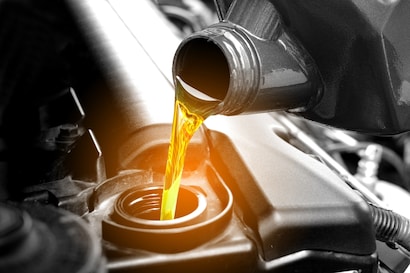
Engine Oil
Engine oil lubricates parts inside the engine. It stops parts from rubbing together and causing damage. Check oil levels often to keep the engine safe.
Coolant
Coolant keeps the engine from overheating. It moves heat away from the engine and helps it stay at the right temperature. Low coolant can cause engine problems.
Brake Fluid
Brake fluid helps the brakes work smoothly. It moves pressure from the brake pedal to the brake parts. Check brake fluid often to keep your brakes safe.
Transmission Fluid
Transmission fluid keeps the gears shifting well. It cools and lubricates the transmission. Low fluid can cause slipping or damage.
Power Steering Fluid
Power steering fluid helps you steer easily. It moves power from the steering wheel to the wheels. Check this fluid to avoid hard steering.
- Engine Oil: Lubricates engine parts
- Coolant: Controls engine temperature
- Brake Fluid: Transfers brake pressure
- Transmission Fluid: Lubricates gears
- Power Steering Fluid: Eases steering effort
Signs Of Fluid Problems
Checking your vehicle’s fluids regularly is very important. Fluids keep your car running smoothly and safely.
When fluids have problems, your car shows clear signs. Knowing these signs helps you avoid costly repairs.
Unusual Noises
Low or dirty fluids can cause strange sounds. You might hear grinding, squealing, or knocking noises from the engine or brakes.
Warning Lights
Your dashboard has lights that warn about fluid problems. These include oil, coolant, and brake fluid alerts.
- Oil pressure light means low oil level or pressure
- Engine temperature light signals coolant issues
- Brake warning light may indicate low brake fluid
Leaks And Stains
Fluids leaking from your vehicle leave stains or puddles under it. Different fluids have distinct colors and textures.
| Fluid Type | Color | Common Leak Location |
| Engine Oil | Brown or Black | Under the engine |
| Coolant | Green, Orange, or Pink | Near the radiator |
| Brake Fluid | Clear to Yellow | Near the wheels or under the brake master cylinder |
| Transmission Fluid | Red or Brown | Under the car near the transmission |
Overheating
Overheating happens when coolant or oil is low or dirty. The engine temperature rises quickly and can cause damage.
Signs of overheating include:
- Steam coming from under the hood
- Warning temperature light on the dashboard
- Strong smell of hot engine or burning fluid
- Car losing power or running roughly
How To Check Fluids Properly
Checking your vehicle’s fluids is important to keep it running smoothly. Fluids like oil, coolant, and brake fluid help protect your engine and other parts.
Regular fluid checks help spot problems early. This saves money and prevents breakdowns.
Tools Needed
You need a few simple tools to check fluids safely and accurately. These tools make the job easier and cleaner.
- Clean cloth or paper towels
- Flashlight for better visibility
- Gloves to protect your hands
- Funnel to pour fluids without spilling
- Owner’s manual to find fluid locations
Step-by-step Fluid Inspection
Follow these steps to check your vehicle fluids properly. Take your time and be careful.
- Park your vehicle on a flat surface and turn off the engine.
- Open the hood and locate the dipsticks or reservoirs for each fluid.
- Use a clean cloth to wipe the dipstick clean before checking.
- Insert the dipstick fully, then pull it out to read the fluid level.
- Check the color and smell of fluids; dirty or burnt fluids need changing.
- Look at the fluid reservoir levels and compare them to the marks.
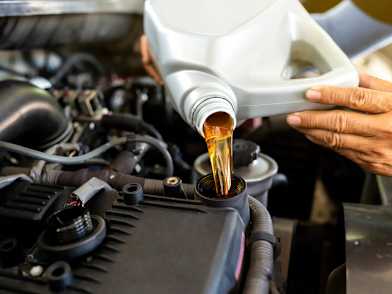
- Add fluids if levels are low, using the correct type specified in the manual.
- Secure all caps tightly and close the hood.
Safety Precautions
Safety is important when checking fluids. Fluids can be hot or harmful if handled wrong.
- Check fluids only when the engine is cool to avoid burns.
- Wear gloves to protect your skin from chemicals.
- Keep away from moving engine parts and belts.
- Use a flashlight carefully to avoid touching hot parts.
- Dispose of old fluids properly, never pour them on the ground.
- Keep fluids out of reach of children and pets.

Credit: trailerrepairms.com
Benefits Of Regular Fluid Maintenance
Regular fluid maintenance keeps your vehicle running smoothly. Fluids like oil, coolant, and brake fluid need checking often.
Proper fluid care prevents damage and helps your vehicle perform at its best every day.
Improved Performance
Fresh fluids reduce friction and wear inside your engine. This makes your vehicle run more efficiently and saves fuel.
Extended Vehicle Life
Changing fluids on time stops parts from rusting or overheating. This helps your vehicle last longer and stay reliable.
Cost Savings
- Prevent costly repairs from damaged parts
- Improve fuel efficiency to save on gas
- Avoid breakdowns that require towing
- Keep warranty valid with proper maintenance
Enhanced Safety
| Fluid Type | Safety Benefit |
| Brake Fluid | Ensures brakes respond quickly |
| Coolant | Prevents engine from overheating |
| Power Steering Fluid | Keeps steering smooth and controlled |
| Transmission Fluid | Maintains smooth gear shifts |
Credit: www.astonvauxhall.co.uk
Frequently Asked Questions
Why Are Regular Fluid Checks Important For Vehicles?
Regular fluid checks keep your vehicle running smoothly and prevent costly repairs.
How Often Should I Perform Fluid Checks On My Car?
Check fluids like oil and coolant at least once a month for safety.
What Fluids Need Regular Checking In A Vehicle?
Oil, coolant, brake fluid, transmission fluid, and power steering fluid need regular checks.
Can Ignoring Fluid Checks Cause Vehicle Damage?
Yes, ignoring fluid levels can cause engine damage and reduce vehicle lifespan.
How Do Fluid Checks Improve Vehicle Safety?
Proper fluid levels ensure brakes and engine work well, keeping you safe on roads.
Conclusion
Regular fluid checks keep your vehicle running smoothly. They help avoid costly repairs and engine damage. Checking fluids often ensures safety on the road. Small efforts save big expenses later. Stay proactive and protect your car’s health. Don’t wait for problems to show up.
A little care goes a long way. Keep fluids topped up for better performance. Your car will thank you with longer life. Simple steps make a big difference every day.


