

Signs Of A Failing Brake Master Cylinder: Warning Signs to Watch
Last Updated on August 17, 2026
Have you noticed your brakes feeling a bit off lately? Maybe the pedal feels soft, or your car takes longer to stop than usual.
These could be warning signs that your brake master cylinder is failing. Ignoring these symptoms can put your safety at serious risk. You’ll discover the key signs to watch for so you can act before a small problem turns into a dangerous one.
Keep reading to protect yourself and your vehicle on the road.
Common Brake Issues
The brake system is very important for your safety. Problems with brakes can cause accidents. One common problem is a failing brake master cylinder.
This part helps control brake pressure. If it fails, you may feel different brake issues. Watch for signs to fix it early.
Soft Or Spongy Brake Pedal
A soft or spongy brake pedal feels like it has extra give. The pedal may not feel firm when you press it. This means air or fluid leaks may be in the brake lines.
A failing master cylinder can cause this problem. It may allow brake fluid to leak inside. This reduces pressure and makes brakes less effective.
- Brake pedal feels soft or spongy
- Longer stopping distance
- Brake warning light may come on
- Brake fluid level drops
Brake Pedal Sinks To The Floor
If the brake pedal sinks to the floor, it means brake pressure is lost. This happens when the master cylinder seals wear out or break. Fluid leaks inside the cylinder.
This is a dangerous sign. The brakes may stop working or feel very weak. You should check the brake system right away.
- Brake pedal goes down with little resistance
- Hard to stop the vehicle
- Brake fluid leaking near the master cylinder
- Warning lights on the dashboard
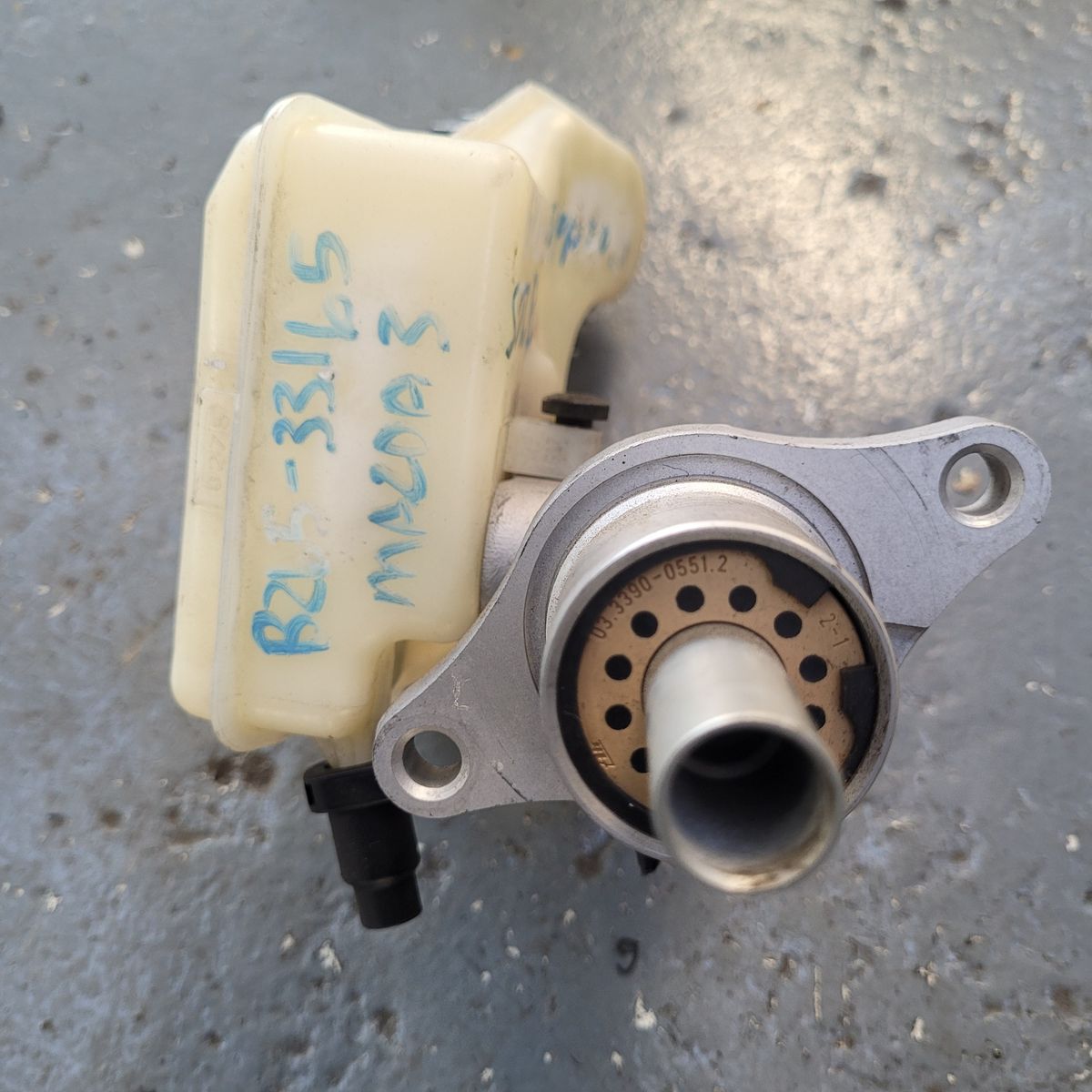
Credit: grimmermotors.co.nz
Unusual Brake Behavior
When your brake system does not work like before, it may be a sign of trouble. A failing brake master cylinder often causes strange brake reactions. Recognizing these signs early can help keep you safe on the road.
This guide covers two key warning signs: brake warning light activation and reduced braking power. Both indicate problems with the brake master cylinder that need attention.
Brake Warning Light Activation
The brake warning light on your dashboard signals an issue with the brake system. If this light turns on, it may mean the brake master cylinder is failing. The light stays on because the system detects a loss of pressure or fluid.
- The brake warning light stays lit during driving.
- The light blinks on and off.
- You notice the light after pressing the brake pedal hard.
- The light comes on along with a soft brake pedal feel.
Reduced Braking Power
A failing brake master cylinder can lower the power your brakes have. This makes it harder to stop your vehicle safely. You may feel the brake pedal sinking or notice longer stopping distances.
| Symptom | Description |
| Soft Brake Pedal | The pedal feels spongy or sinks to the floor. |
| Longer Stopping Distance | Your car takes more space to stop than usual. |
| Brake Pedal Sinks Slowly | The pedal slowly moves down when pressed and held. |
| Uneven Braking | The brakes may grab or feel inconsistent. |
Fluid-related Problems
The brake master cylinder controls brake fluid flow in your car. Problems with the fluid can cause brake failure.
Fluid-related issues often show early signs that help you avoid serious damage and keep your brakes working well.
Brake Fluid Leaks
Brake fluid leaks happen when seals or connections in the master cylinder break. This lowers the fluid level.
Low brake fluid makes the brake pedal feel soft or sink to the floor. This reduces braking power and safety.
- Look for wet spots near the master cylinder
- Check under the car for fluid puddles
- Watch for a sudden drop in brake fluid level
Contaminated Brake Fluid
Brake fluid can get dirty from moisture or dirt entering the system. This weakens its ability to stop your car.
Contaminated fluid can cause corrosion and damage inside the master cylinder. It also makes brakes less responsive.
- Check the fluid color; it should be clear or light amber
- Dark or cloudy fluid means contamination
- Change brake fluid regularly to avoid problems
Credit: www.defendersource.com
Safety Risks And Next Steps
The brake master cylinder controls the brake fluid in your car. If it fails, your brakes may not work well. This is very dangerous.
Knowing the signs of a failing brake master cylinder helps keep you safe. You can take the right steps before an accident happens.
Risks Of Ignoring Warning Signs
If you ignore brake master cylinder problems, your car may lose braking power. This can cause accidents and injuries.
Other risks include brake fluid leaks, longer stopping distances, and brake pedal sinking to the floor.
- Brake failure can lead to crashes
- Brake fluid leaks may damage other parts
- Reduced brake pressure makes stopping unsafe
- Failing brakes increase repair costs
When To Replace The Master Cylinder
Replace the brake master cylinder if you see warning signs like soft brake pedal or fluid leaks. Do not wait to fix these issues.
Have a mechanic check your brakes if the pedal feels spongy or if your car takes longer to stop.
- Brake pedal feels soft or sinks
- Brake fluid leaks near the master cylinder
- Warning lights on the dashboard
- Car takes longer to stop than usual

Credit: redlinelandcruisers.com
Frequently Asked Questions
What Are Common Signs Of A Failing Brake Master Cylinder?
Soft or spongy brake pedal, brake fluid leaks, and uneven braking often signal a failing brake master cylinder.
How Does A Bad Master Cylinder Affect Braking?
It reduces brake pressure, causing longer stopping distances and less control over the vehicle’s brakes.
Can Brake Fluid Leaks Indicate Master Cylinder Problems?
Yes, leaks near the brake pedal or under the car often point to a failing master cylinder.
Why Does The Brake Pedal Feel Soft Or Sink Slowly?
A worn master cylinder can let brake fluid leak internally, making the pedal feel soft or sink.
Is It Dangerous To Drive With A Failing Brake Master Cylinder?
Yes, it reduces braking power and increases the risk of accidents. Immediate repair is needed.
Conclusion
A failing brake master cylinder shows clear warning signs. Soft or spongy brakes often signal trouble ahead. Brake fluid leaks or a sinking brake pedal also matter. These signs affect your car’s safety and control. Don’t ignore unusual noises or changes in brake feel.
Early attention can prevent costly repairs and accidents. Stay alert and act fast for safe driving. Regular checks keep your brakes in good shape. Your safety depends on reliable brake performance every time.


