

Importance Of Safety In Car Repair: Essential Tips You Must Know
Last Updated on August 17, 2026
When your car needs repair, your safety should always come first. Whether you’re fixing something yourself or trusting a mechanic, overlooking safety can lead to serious problems.
Imagine the risks of working with heavy tools or dealing with hazardous materials without the right precautions. You’ll discover why safety is not just a rule, but a crucial part of every car repair. Understanding this can protect you, your loved ones, and your vehicle.
Keep reading to learn how simple safety steps can save you from costly mistakes and dangerous accidents.
Credit: www.consumerreports.org
Risks In Car Repair
Car repair work involves many risks that can harm workers. Knowing these risks helps keep everyone safe.
Safety is important to avoid accidents and injuries in the repair shop.
Common Hazards
Car repair shops have many hazards. These dangers can cause harm if you are not careful.
- Sharp tools and parts can cut skin
- Heavy equipment may fall or cause crush injuries
- Hot surfaces can burn the skin
- Electrical tools can cause shocks
- Slippery floors increase fall risk
Potential Injuries
Workers can get hurt in many ways during car repair. Injuries may be minor or very serious.
- Cuts and lacerations from sharp objects
- Bruises and fractures from heavy tools
- Burns from hot parts or chemicals
- Eye injuries from flying debris
- Back pain from lifting heavy car parts
Environmental Concerns
Car repair can harm the environment if waste is not handled properly. This creates pollution risks.
Safe disposal of fluids and parts protects nature and keeps the workspace clean.
- Oil and fuel spills pollute soil and water
- Used batteries contain harmful chemicals
- Car parts can create waste if not recycled
- Paints and solvents release toxic fumes
Credit: qadibody.com
Safety Gear Essentials
Safety gear is very important in car repair work. It keeps you safe from injuries and accidents.
Using the right safety equipment helps protect your body from chemicals, sharp objects, and harmful dust.
Protective Clothing
Wear clothes that cover your skin fully. This stops cuts, burns, and spills from hurting you.
Choose durable materials that resist tears and fire. Long sleeves and pants are best for protection.
- Coveralls or mechanic’s uniforms
- Heat-resistant gloves and sleeves
- Sturdy, closed-toe shoes or boots
- High-visibility vests for busy shops
Eye And Hand Protection
Protect your eyes with safety goggles or glasses. They stop dust, sparks, and liquids from causing damage.
Hand protection is important to avoid cuts and burns. Use gloves made for car repair tasks.
- Shatterproof safety glasses or goggles
- Gloves resistant to chemicals and cuts
- Disposable gloves for oil and grease work
Respiratory Safety
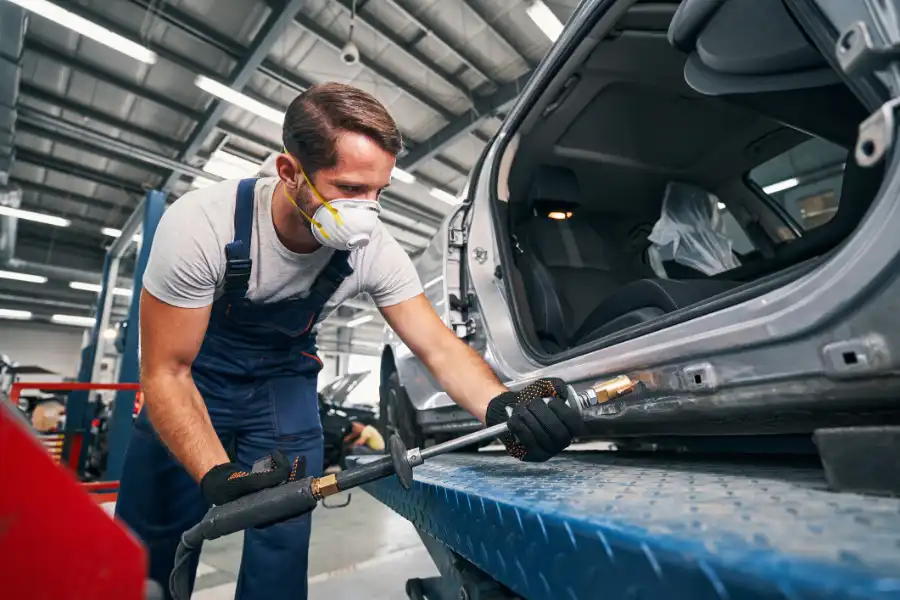
Breathing harmful dust and fumes can cause serious health problems. Use masks or respirators to stay safe.
Pick the right mask for the job. Some need filters for dust, others for chemical fumes.
- Dust masks for sanding and grinding
- Respirators with chemical filters for painting
- Properly fitted masks for best protection
Safe Work Practices
Safety is very important in car repair shops. Workers must follow safe work practices to avoid injuries.
Using tools correctly and keeping the workspace clean helps prevent accidents. Handling chemicals safely protects health.
Proper Tool Use
Using tools the right way keeps workers safe. Wrong tool use can cause harm or damage to cars.
Always choose the correct tool for each job. Inspect tools before use to ensure they are in good condition.
- Wear gloves to protect your hands
- Use tools only for their intended purpose
- Keep tools clean and stored properly
- Report broken or damaged tools immediately
Handling Chemicals
Car repair involves many chemicals that can be harmful. Workers must handle chemicals with care to stay safe.
Always read labels and follow safety instructions. Use protective gear like gloves and goggles when working with chemicals.
- Store chemicals in labeled containers
- Keep chemicals away from heat and flames
- Dispose of chemicals safely and properly
- Wash hands after handling chemicals
Maintaining A Clean Workspace
A clean workspace reduces the chance of accidents. Spills and clutter can cause slips and falls.
Regular cleaning helps keep tools and equipment in good shape. Organize the workspace to work safely and efficiently.
- Clean spills immediately
- Keep floors clear of tools and debris
- Organize parts and tools after use
- Use proper waste containers for trash
Emergency Preparedness
Safety in car repair is very important. Being ready for emergencies can save lives and reduce damage.
Knowing what to do in an emergency helps you stay calm and act fast. This guide covers key safety tips.
First Aid Tips
Keep a first aid kit in your repair area. Know how to use basic supplies for cuts and burns.
- Clean wounds with water and antiseptic.
- Apply bandages to stop bleeding.
- Use cold packs for swelling.
- Seek medical help for serious injuries.
Fire Safety Measures
Car repairs can cause fires. Always have fire safety tools nearby and know how to use them.
| Fire Safety Tool | Purpose |
| Fire Extinguisher | Put out small fires |
| Fire Blanket | Smother flames on people or objects |
| Smoke Detector | Warn about smoke early |
Dealing With Accidents
Accidents may happen even with care. Know what steps to take after a crash or injury.
- Check yourself and others for injuries.
- Call emergency services if needed.
- Turn off the engine to prevent fire.
- Move to a safe area if possible.
Credit: www.forthepeople.com
Frequently Asked Questions
Why Is Safety Important In Car Repair?
Safety prevents injuries and accidents during car repairs, protecting both workers and vehicle owners.
What Are Common Safety Risks In Car Repair Shops?
Risks include chemical exposure, burns, cuts, and falling objects in repair areas.
How Can Car Owners Ensure Safe Repairs?
Choose certified mechanics and verify the repair shop follows safety rules.
What Safety Gear Is Essential For Car Repair Workers?
Gloves, goggles, and protective clothing help avoid injuries and chemical exposure.
How Does Safety In Car Repair Affect Repair Quality?
Safe practices reduce errors and damage, ensuring repairs last longer and work well.
Conclusion
Safety in car repair protects you and others on the road. Always follow proper steps and use the right tools. Careless repairs can cause accidents or costly damage. A safe repair job saves time and money in the long run.
Trust only skilled workers who respect safety rules. Remember, safety is not just a choice, but a must. It keeps you driving with peace of mind every day. Stay safe, stay smart.


