

Difference Between Hydraulic And Mechanical Jacks: Key Facts Explained
Last Updated on August 17, 2026
When you need to lift something heavy, choosing the right jack can make all the difference. But how do you know if a hydraulic jack or a mechanical jack is better for your task?
Understanding the key differences between these two types of jacks can save you time, effort, and even money. You’ll discover how each jack works, their strengths and weaknesses, and which one suits your needs best. Keep reading to make sure you pick the perfect tool for your next lift.
Types Of Jacks
Jacks help lift heavy objects safely. They come in two main types: hydraulic and mechanical. Each type uses a different method to raise loads.
Understanding how these jacks work helps you choose the right one for the job.
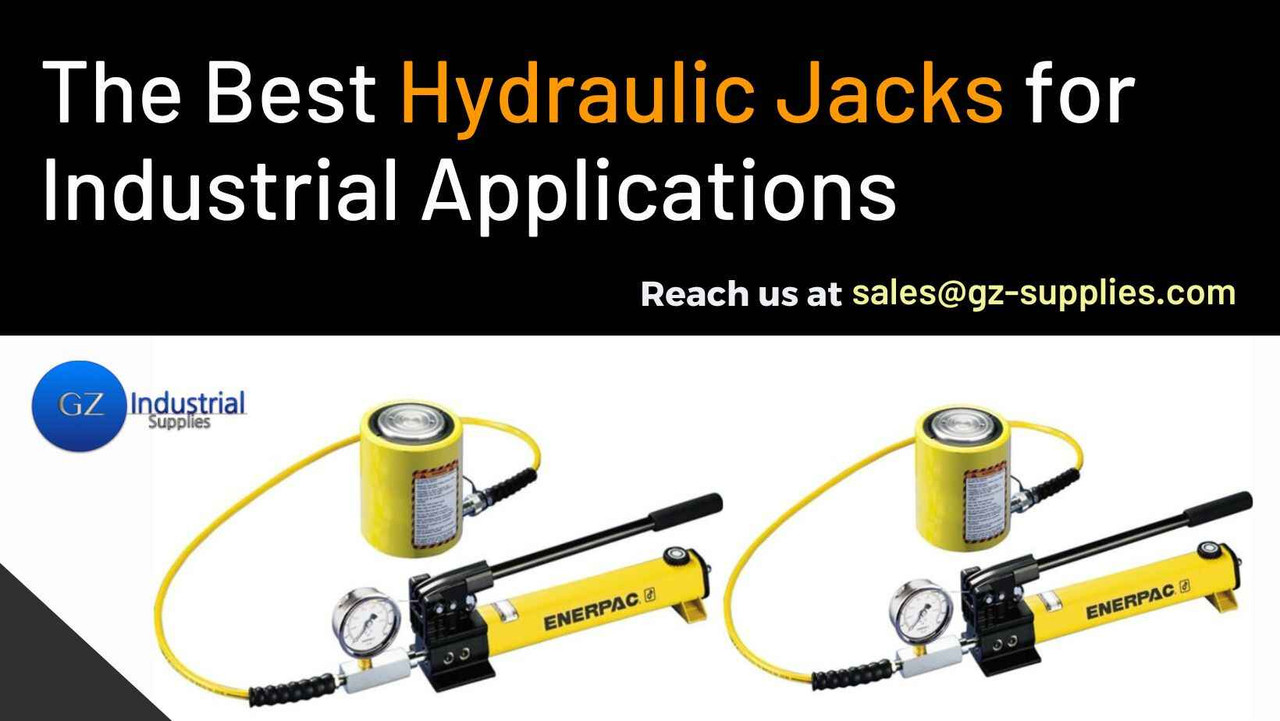
Hydraulic Jack Basics
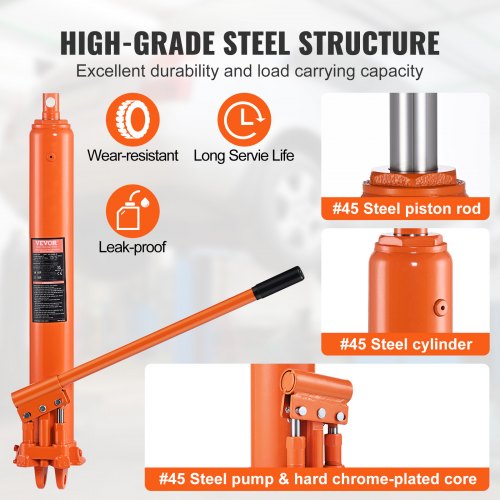
Hydraulic jacks use fluid pressure to lift heavy weights. When you pump the handle, fluid moves inside the jack. This pushes a piston up, raising the load.
- Hydraulic fluid transfers force evenly
- They can lift very heavy objects smoothly
- Often used in car repair shops
- Require less physical effort to operate
- Need regular maintenance to avoid leaks
Mechanical Jack Basics
Mechanical jacks use gears and screws to lift objects. Turning a handle moves the gears, which pushes a screw to raise the load.
| Feature | Mechanical Jack | Hydraulic Jack |
| Lift Method | Gears and screws | Fluid pressure |
| Effort Needed | More physical effort | Less physical effort |
| Weight Capacity | Moderate | High |
| Maintenance | Low | Requires fluid checks |
| Common Use | Small repairs, home use | Heavy-duty lifting |
Credit: www.gz-supplies.com
How They Work
Hydraulic and mechanical jacks lift heavy objects using different systems. Both make lifting easier but use unique ways to create force.
Understanding their working methods helps choose the right jack for the job.
Hydraulic Mechanism
Hydraulic jacks use fluid pressure to lift heavy loads. They have a small pump that pushes fluid into a cylinder.
The fluid moves a piston, which lifts the jack’s arm smoothly and with great force.
- Operator pumps handle to push fluid
- Fluid pressure moves piston upward
- Piston lifts the load steadily
- Release valve lowers the load slowly
Mechanical Mechanism
Mechanical jacks use a screw or lever system to lift objects. Turning the screw or moving the lever raises the jack.
This system changes small effort into large lifting force through simple machines.
- Operator turns a screw or moves a lever
- Screw threads push the lifting arm up
- Levers increase force with less effort
- Lowering happens by turning or moving in reverse
Advantages And Drawbacks
Hydraulic and mechanical jacks lift heavy objects by different methods. Each type has its own benefits and drawbacks.
Understanding these differences helps choose the right jack for the job. This guide explains their main advantages and limitations.
Benefits Of Hydraulic Jacks
Hydraulic jacks use fluid pressure to lift loads. This makes lifting easier and faster with less effort.
They can lift very heavy objects smoothly and stay in position without extra support.
- Require less physical strength
- Lift heavier loads safely
- Provide smooth and steady lifting
- Hold position without constant effort
- Compact and portable designs available
Benefits Of Mechanical Jacks
Mechanical jacks work by turning screws or using levers to raise a load. They are simple and reliable.
These jacks often cost less and need little maintenance. They are good for smaller loads and quick jobs.
- Simple design and easy to use
- Lower cost than hydraulic jacks
- Require less maintenance
- Good for small to medium loads
- Do not leak fluids
Common Limitations
Both hydraulic and mechanical jacks have limits. They may not fit every situation or load size.
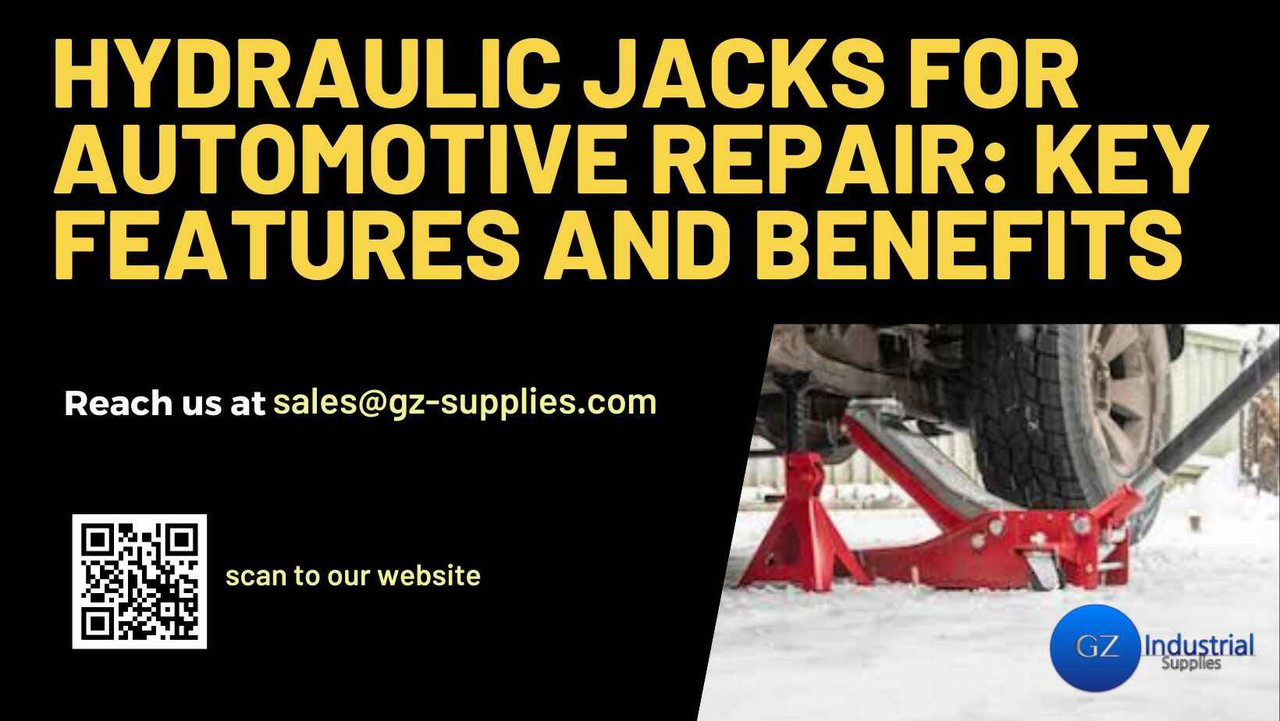
Hydraulic jacks can leak and need careful handling. Mechanical jacks require more physical effort and may be slower.
- Hydraulic jacks can leak oil and need upkeep
- Mechanical jacks demand more manual force
- Mechanical jacks lift slower than hydraulic ones
- Both types have maximum weight limits
- Improper use can cause safety risks
Credit: www.gz-supplies.com
Choosing The Right Jack
Picking the correct jack can make lifting tasks safer and easier. Hydraulic and mechanical jacks serve different needs. Knowing their differences helps you choose well.
This guide looks at how you use each jack and what to think about before buying one.
Applications And Uses
Hydraulic jacks use fluid pressure to lift heavy loads smoothly. They work well for cars, trucks, and heavy machinery. Mechanical jacks use a screw or lever to lift loads. They are common for lighter jobs and simple repairs.
- Hydraulic jacks are good for lifting heavy vehicles quickly.
- Mechanical jacks are useful for small repairs and low-weight lifting.
- Hydraulic jacks require less effort to operate.
- Mechanical jacks are simpler and need less maintenance.
Factors To Consider
Think about weight capacity, ease of use, and maintenance. Your work environment also matters. Space and power sources can limit your choices.
| Factor | Hydraulic Jack | Mechanical Jack |
| Weight Capacity | High | Low to Medium |
| Ease of Use | Easy, needs less force | Requires manual effort |
| Maintenance | Needs fluid checks | Simple, less upkeep |
| Portability | Heavier | Lighter |
| Cost | More expensive | Less expensive |
Credit: www.vevor.ca
Frequently Asked Questions
What Is The Main Difference Between Hydraulic And Mechanical Jacks?
Hydraulic jacks use fluid pressure to lift, while mechanical jacks use gears and levers.
Which Jack Is Easier To Operate For Heavy Lifting?
Hydraulic jacks require less effort and can lift heavier loads more smoothly.
Are Mechanical Jacks More Durable Than Hydraulic Jacks?
Mechanical jacks have fewer parts and can last longer with proper care.
Can Hydraulic Jacks Be Used In All Weather Conditions?
Hydraulic jacks may not work well in very cold weather due to fluid thickening.
Which Jack Is Better For Quick Vehicle Repairs?
Mechanical jacks are simpler and often faster for small, quick repairs.
Conclusion
Hydraulic and mechanical jacks both lift heavy loads safely. Hydraulic jacks use fluid to create strong lifting power. Mechanical jacks work with gears and screws for lifting. Each type fits different tasks and budgets. Choose based on how much weight you lift and how often.
Knowing their differences helps you pick the right tool. This keeps work easy and safe every time. Simple tools, clear choices, better results.


