

What Is Coolant And Why It’S Important: Essential Guide for Engines
Last Updated on August 17, 2026
Have you ever wondered what keeps your car’s engine from overheating on a hot day or freezing up in the winter? The answer lies in something called coolant.
It might sound like just another liquid under your hood, but coolant plays a crucial role in protecting your engine and keeping your vehicle running smoothly. If you want to avoid costly repairs and keep your car in top shape, understanding what coolant is and why it’s so important is a must.
Keep reading, and you’ll discover how this simple fluid can save you time, money, and stress on the road.
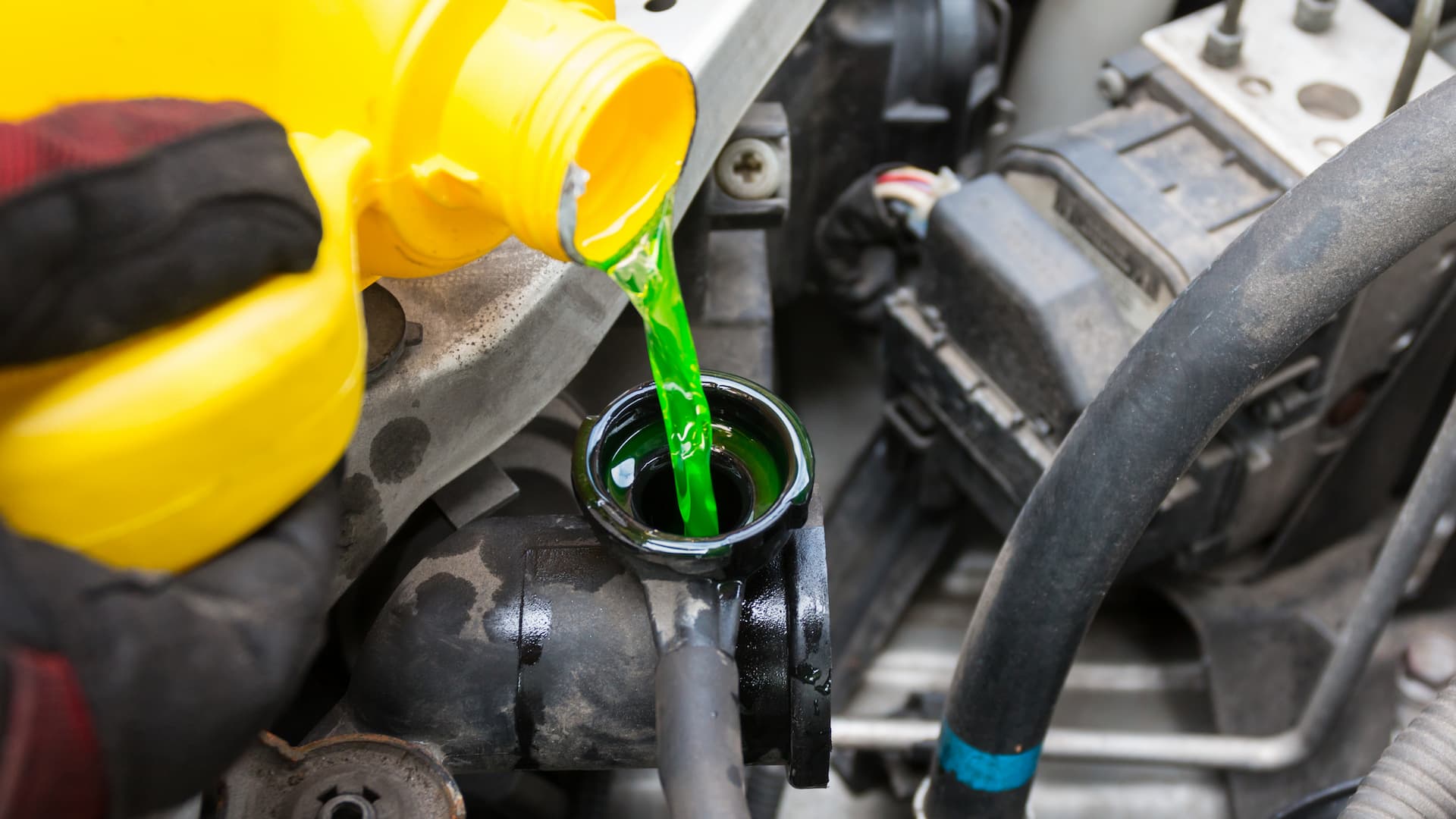
Credit: www.autonationmobileservice.com
Role Of Coolant In Engines
Coolant is a special liquid that helps keep engines working well. It moves heat away from the engine parts to stop damage.
Without coolant, engines can get too hot or too cold. This can cause parts to break or stop working.
Heat Regulation
Engines get very hot when they run. Coolant absorbs this heat and carries it to the radiator. The radiator cools the liquid before it returns to the engine. This cycle keeps the engine at the right temperature.
- Absorbs heat from engine parts
- Moves heat to the radiator
- Helps keep engine temperature steady
- Prevents engine damage from overheating
Preventing Freezing And Overheating
Coolant also stops the engine from freezing in cold weather. It lowers the freezing point of the liquid in the engine. It also raises the boiling point to stop overheating in hot weather.
| Function | Effect |
| Lower freezing point | Prevents engine liquid from freezing in winter |
| Raise boiling point | Stops engine liquid from boiling in summer |
| Protects engine parts | Prevents corrosion and rust inside the engine |
Types Of Engine Coolants
Engine coolants keep your car running at the right temperature. They stop the engine from overheating or freezing.
There are different types of coolants. Each has its own features and uses.
Ethylene Glycol Vs Propylene Glycol
Ethylene glycol and propylene glycol are common coolant bases. Both help absorb and transfer heat from the engine.
- Ethylene Glycol:It is very effective at heat transfer but is toxic if ingested.
- Propylene Glycol:Safer for people and pets but slightly less efficient in heat transfer.
- Both types mix with water to improve cooling and prevent freezing.
- They also protect against corrosion inside the engine.
Organic Acid Technology Coolants
Organic Acid Technology (OAT) coolants use organic acids to protect engine parts. They last longer than traditional coolants.
| Feature | OAT Coolants |
| Base | Organic acids |
| Corrosion Protection | Strong and long-lasting |
| Service Life | Up to 5 years or 150,000 miles |
| Color | Usually orange, red, or dark green |
| Use | Modern vehicles and heavy-duty engines |
Signs Of Coolant Problems
Coolant keeps your engine running at the right temperature. It stops overheating and freezing. Knowing the signs of coolant problems helps you avoid big repairs.
Look for warning signals early. This guide covers common signs that show coolant is not working well.
Overheating Engine Symptoms
An engine running too hot shows many signs. Coolant problems often cause this. Watch for these symptoms:
- Temperature gauge rises above normal
- Steam coming from under the hood
- Engine warning light turns on
- Unusual smells like hot coolant or burning
- Engine feels hotter than usual to touch
If you see these signs, stop driving and check your coolant levels. Overheating can cause severe engine damage.
Coolant Leaks And Contamination
Leaks and dirty coolant reduce how well the system works. They can cause engine trouble and poor heating inside the car.
| Type of Leak | Common Location | Signs |
| Radiator Leak | Front of engine | Wet spots, low coolant levels |
| Hose Leak | Along coolant hoses | Drips, soft or cracked hoses |
| Water Pump Leak | Engine block | Coolant puddles under car |
| Contamination | Inside cooling system | Discolored coolant, sludge build-up |
Check coolant color often. It should be bright and clear. Dirty or rusty coolant means contamination. Fix leaks and flush the system to keep your engine safe.

Credit: www.easternshorehyundai.com
Maintaining Your Engine Coolant
Engine coolant keeps your car’s engine from getting too hot. It helps the engine run smoothly and prevents damage.
Proper maintenance of your coolant ensures your engine stays cool and lasts longer. Checking and replacing coolant is important.
Checking Coolant Levels
Check the coolant level regularly to avoid engine overheating. Most cars have a coolant reservoir with level marks.
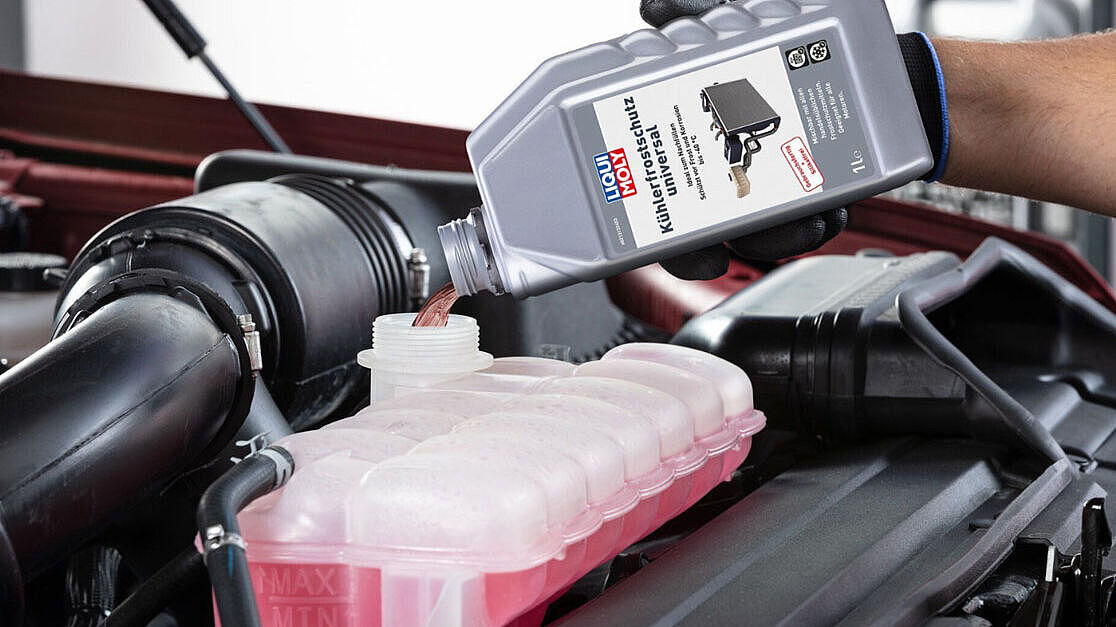
Make sure the engine is cool before opening the reservoir. If the coolant is low, add the right type of coolant carefully.
- Locate the coolant reservoir under the hood
- Look for “Full” and “Low” marks on the side
- Add coolant if below the “Low” mark
- Never open the reservoir when the engine is hot
When To Replace Coolant
Coolant loses its effectiveness over time. Replacing it keeps the engine protected from rust and overheating.
Check your car’s manual for replacement intervals. Usually, coolant should be changed every 2 to 5 years or 30,000 to 50,000 miles.
- Old coolant can cause engine damage
- Replace coolant if it looks rusty or dirty
- Flush the cooling system before adding new coolant
- Use the coolant type recommended by the car maker
Credit: www.liqui-moly.com
Frequently Asked Questions
What Is Coolant In A Vehicle Engine?
Coolant is a liquid that helps keep the engine from overheating or freezing.
Why Is Coolant Important For Engine Performance?
Coolant maintains the right engine temperature for smooth and safe operation.
How Often Should Coolant Be Changed?
Change coolant every 2 to 5 years or as recommended by your vehicle’s manual.
Can I Use Water Instead Of Coolant?
Water alone can cause rust and freezing; coolant protects the engine better.
What Are Signs Of Low Coolant Levels?
Watch for engine overheating, warning lights, or steam from the engine area.
Conclusion
Coolant keeps your engine safe from damage and overheating. It helps maintain the right temperature during all seasons. Without coolant, engines can fail or cost more to fix. Check your coolant levels often to avoid problems. Using the right coolant type is important for your car’s health.
Simple care keeps your vehicle running smoothly and longer. Remember, coolant is not just water—it protects your engine. A small effort today saves big repairs tomorrow. Keep coolant in mind for a trouble-free drive.


