Common Causes Of Brake Failure: Top Reasons You Must Know
Last Updated on August 17, 2026
Imagine driving down the road, trusting your brakes to keep you safe. But what if they suddenly fail?
Understanding the common causes of brake failure is crucial for your safety and peace of mind. You’ll discover the hidden dangers that could put you at risk and simple steps to prevent them. Keep reading to protect yourself and everyone on the road with you.
Worn Brake Pads
Brake pads are key parts of your car’s braking system. They press against the brake rotor to slow your car down.
Over time, brake pads wear down. Worn brake pads can cause brake failure and unsafe driving.
Signs Of Brake Pad Wear
Brake pads make noise when they wear out. You might hear squealing or grinding sounds.
Your car may take longer to stop. The brake pedal can feel soft or spongy.
- Squealing or screeching noises
- Grinding sounds during braking
- Longer stopping distance
- Soft or spongy brake pedal
- Vibration in the brake pedal
Impact On Braking Performance
Worn brake pads reduce the friction needed to stop the car. This makes braking less effective.
Brake failure risk increases with worn pads. This can cause accidents and damage.
- Longer stopping distances increase crash risk
- Brake fade can occur during heavy use
- Damage to brake rotors from metal contact
- Reduced control when stopping quickly

Credit: nrsbrakes.com
Brake Fluid Issues
Brake fluid is vital for your car’s braking system. It helps transfer force from the brake pedal to the brakes.
Problems with brake fluid can cause brake failure. These problems often come from leaks or contamination.
Leaks And Contamination
Brake fluid leaks can lower the fluid level in the system. Low fluid means less pressure on the brakes.
Contaminated brake fluid can cause damage. Dirt, water, or air in the fluid reduces its ability to work.
- Leaking brake lines or hoses
- Worn brake seals
- Old or degraded brake fluid
- Water entering the brake fluid
- Air trapped in the brake lines
Effects On Brake System
Brake fluid issues affect how well brakes respond. These effects can make braking unsafe.
| Effect | Description |
| Soft Brake Pedal | The pedal feels spongy or sinks to the floor. |
| Reduced Braking Power | The car takes longer to stop. |
| Brake Fade | Brakes lose effectiveness after repeated use. |
| Corrosion | Contaminants damage brake components. |
| Warning Lights | Brake warning lights may appear on the dashboard. |
Faulty Brake Lines
Brake lines carry brake fluid from the master cylinder to the brakes. They are vital for safe braking. Faulty brake lines can cause brake failure and accidents.
It is important to understand what causes brake line damage. Knowing the risks helps keep your vehicle safe on the road.
Common Causes Of Line Damage
Brake lines can get damaged from many reasons. Rust and corrosion weaken the metal lines. Road salt and water speed up this process.
Physical damage also harms brake lines. Rocks and debris can hit the lines under the car. Over time, this can cause leaks or cracks.
- Rust and corrosion from moisture and salt
- Physical damage from road debris and rocks
- Wear and tear from age and use
- Poor installation or repairs
Consequences Of Brake Line Failure
When brake lines fail, brake fluid leaks out. This lowers hydraulic pressure and makes brakes weak or fail completely.
Brake failure can cause accidents and serious injuries. It is important to check brake lines regularly and fix any damage fast.
- Loss of braking power
- Longer stopping distances
- Brake pedal feels soft or sinks
- Complete brake failure in severe cases
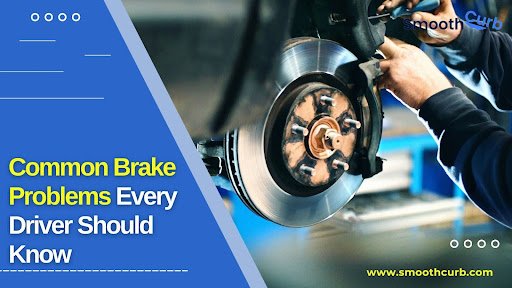
Credit: smoothcurb.com
Overheated Brakes
Brakes get very hot after a lot of use. This heat can cause the brakes to lose power. Overheated brakes are a common reason for brake failure.
When brakes overheat, they do not stop the vehicle well. This can be dangerous. Understanding why brakes overheat helps keep them safe.
Causes Of Brake Overheating
Brakes get too hot for several reasons. One cause is driving down long hills while using the brakes too much. This keeps the brakes working hard for a long time.
Another cause is using the wrong brake parts or poor brake maintenance. Worn brake pads or low brake fluid can make brakes work harder and heat up.
- Riding the brakes on long downhill drives
- Using worn or poor-quality brake pads
- Low brake fluid or leaking brake lines
- Dragging brakes that do not fully release
- Heavy loads causing extra brake strain
Preventing Brake Fade
Brake fade happens when brakes get too hot and lose power. You can avoid this by driving carefully and using brakes less on long descents.
Regular brake checks and using quality brake parts help stop overheating. Also, avoid carrying heavy loads that strain brakes too much.
- Use engine braking on long downhill drives
- Check and replace brake pads regularly
- Keep brake fluid at proper levels
- Fix any brake drag or sticking issues
- Reduce heavy loads when possible

Credit: simonsautorepairtaunton.com
Frequently Asked Questions
What Are The Main Reasons For Brake Failure In Cars?
Brake failure often happens due to worn brake pads, low brake fluid, or damaged brake lines.
How Does Brake Fluid Affect Braking Performance?
Brake fluid transfers force to brakes; low or dirty fluid can cause brake failure.
Can Worn Brake Pads Cause Total Brake Failure?
Yes, worn pads reduce braking power and can lead to complete brake failure.
How Can Overheating Cause Brakes To Fail?
Overheating makes brake parts weak, reducing stopping power and causing brake fade.
What Role Do Brake Lines Play In Brake Failure?
Damaged or leaking brake lines stop fluid flow, leading to brake failure.
Conclusion
Brake failure can happen for many reasons. Worn brake pads and low brake fluid are common causes. Rust and leaks also make brakes unsafe. Regular checks help catch problems early. Drive carefully and listen for strange sounds. Fix issues quickly to stay safe on roads.
Taking simple steps protects you and others. Don’t ignore signs of brake trouble. Safe brakes save lives. Stay alert, maintain your vehicle, and drive with care.