Importance Of Wheel Alignment: Boost Safety and Save Money
Last Updated on August 17, 2026
Have you ever felt your car pulling to one side while driving or noticed uneven tire wear? These are signs that your wheel alignment might be off.
Wheel alignment is more than just a routine check—it plays a crucial role in your car’s safety, performance, and tire life. Ignoring it can cost you more in repairs and fuel down the road. Keep reading to discover why proper wheel alignment matters and how it can save you time, money, and stress every time you get behind the wheel.
Credit: shop.apollotyres.com
How Wheel Alignment Works
Wheel alignment adjusts the angles of your vehicle’s wheels. Proper alignment helps your car drive straight and prevents uneven tire wear.
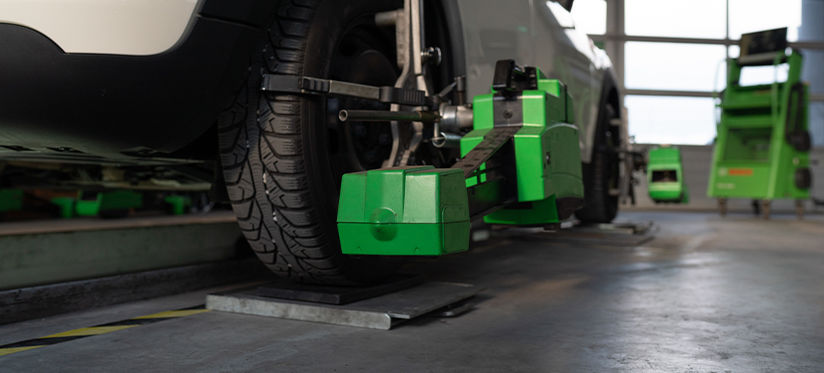
Technicians use special tools to measure the angles of your wheels. They then adjust the wheels to match the manufacturer’s specifications.
Measuring Wheel Angles
There are three main angles checked during wheel alignment: camber, toe, and caster. Each affects how your vehicle handles and how tires wear.
| Angle | Description | Effect |
| Camber | Wheel tilt inward or outward | Affects tire wear on edges |
| Toe | Wheels point inward or outward | Impacts steering response and tire wear |
| Caster | Steering pivot angle | Helps with straight-line stability |
Tools Used For Alignment
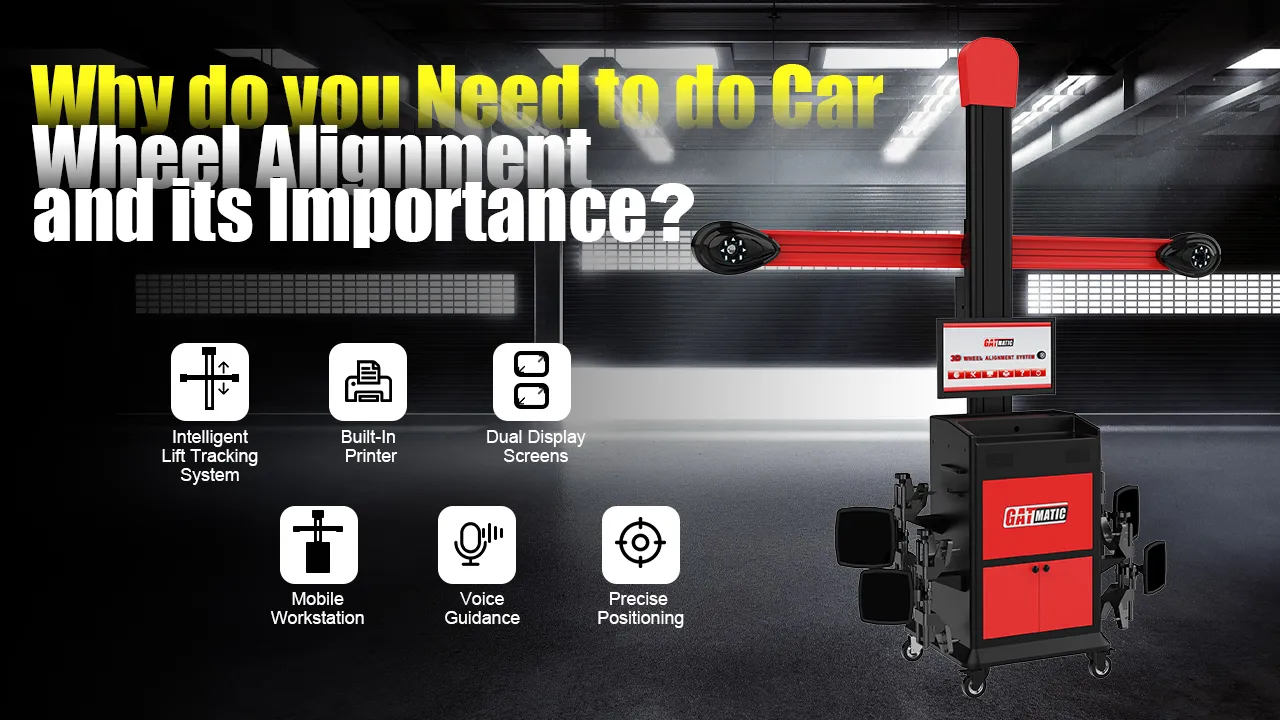
Technicians use alignment machines with cameras and sensors. These tools measure wheel angles precisely to guide adjustments.
- Wheel clamps attach to tires
- Cameras capture wheel position
- Computer shows angle measurements
- Technician adjusts tie rods and control arms
Adjusting The Wheels
Adjustments happen by turning parts like tie rods or control arms. This changes the angles to fit the right settings.
Proper adjustment means:
- Better steering control
- Longer tire life
- Improved fuel efficiency
Safety Benefits Of Proper Alignment
Wheel alignment is important for your vehicle’s safety. Proper alignment keeps your car stable on the road.
It helps you control the vehicle better and reduces risks while driving.
Improved Steering Control
Correct wheel alignment makes steering easier and more accurate. This helps you respond quickly to road changes.
When wheels are aligned, the car moves straight without pulling to one side.
Better Tire Traction
Proper alignment ensures tires touch the road evenly. This improves grip on wet or slippery surfaces.
Good traction lowers the chance of skidding or losing control.
Reduced Tire Wear
When wheels are aligned, tires wear evenly. This keeps them strong and safe for longer.
Uneven tire wear can cause blowouts or loss of control while driving.
Enhanced Vehicle Stability
Proper alignment helps your car stay balanced on all roads. This is important during turns or sudden stops.
Good stability lowers the risk of accidents caused by vehicle swaying or drifting.
Prevention Of Suspension Damage
Correct alignment reduces stress on suspension parts. This keeps your vehicle safe and working well.
Damaged suspension can cause poor handling and increase accident risk.
Cost Savings From Timely Alignment
Wheel alignment keeps your vehicle running smoothly. It helps you avoid extra costs by fixing problems early.
Regular alignment saves money on repairs and fuel. It protects your tires and parts from wearing out fast.
Reduced Tire Wear
Proper alignment stops tires from wearing unevenly. This makes tires last longer and saves money on replacements.
Misaligned wheels cause tires to wear out quickly on one side. Timely alignment fixes this problem early.
Better Fuel Efficiency
When wheels are aligned, the car moves smoothly. This reduces engine strain and lowers fuel use.
Poor alignment makes your car work harder, wasting gas. Fixing alignment saves money at the pump.
Lower Repair Costs
Timely alignment prevents damage to suspension and steering parts. This cuts down on expensive repairs later.
Ignoring alignment can cause parts to break sooner. Early alignment keeps these parts safe and saves money.
Improved Safety And Performance
Aligned wheels help your car handle better. This reduces the chance of accidents and costly fixes.
Good alignment keeps your car stable on the road. This prevents damage from sudden stops or turns.
Credit: www.gat-matic.com
Signs You Need Wheel Alignment
Wheel alignment keeps your vehicle driving straight and safe. Misaligned wheels cause uneven tire wear and steering issues.
Knowing the signs of bad alignment helps you fix problems early. This saves money and improves driving comfort.
Uneven Tire Wear
If your tires wear out faster on one side, your wheels may be out of alignment. This reduces tire life and safety.
Vehicle Pulls To One Side
When driving straight, the car should move forward without pulling left or right. Pulling signals misalignment.
Steering Wheel Is Off-center
The steering wheel should be centered when driving straight. If it is tilted or crooked, alignment is likely needed.
Vibration In The Steering Wheel
Misaligned wheels can cause the steering wheel to shake or vibrate while driving. This makes driving uncomfortable.
Steering Feels Loose Or Wanders
If your car drifts or the steering feels loose, your wheel alignment may be off. This affects control and safety.
Common Causes Of Wheel Misalignment
- Hitting potholes or curbs hard
- Worn suspension parts
- After tire replacement or rotation
- Normal wear and tear over time
How Often To Check Wheel Alignment
| Condition | Check Frequency |
| New tires installed | Immediately |
| After hitting potholes or curbs | As soon as possible |
| Regular maintenance | Every 12,000 miles or yearly |
| When noticing any signs above | Right away |

Credit: trailtire.com
Frequently Asked Questions
What Is Wheel Alignment And Why Is It Important?
Wheel alignment means adjusting the angles of your wheels. It helps your car drive straight and saves tire wear.
How Often Should I Get My Wheels Aligned?
Getting wheel alignment every 1-2 years or after hitting a big bump keeps your car safe and smooth.
What Are Signs Of Bad Wheel Alignment?
If your car pulls to one side or tires wear unevenly, it’s a sign your wheels need alignment.
Can Bad Wheel Alignment Affect Fuel Efficiency?
Yes, misaligned wheels cause drag, making your car use more fuel than needed.
Does Wheel Alignment Improve Tire Life?
Proper alignment reduces tire wear and helps your tires last longer, saving you money.
Conclusion
Proper wheel alignment keeps your car safe and smooth. It helps tires last longer and saves fuel. Misaligned wheels can cause uneven tire wear and poor handling. Regular checks prevent costly repairs and improve driving comfort. Stay attentive to your vehicle’s alignment for better performance.
Small efforts today avoid big problems tomorrow. Keep your wheels aligned and enjoy a safer ride.