Signs Of Worn Brake Pads: Key Warning Signs You Can’t Ignore
Last Updated on August 17, 2026
Have you noticed strange noises when you press your brakes? Or maybe your car doesn’t stop as quickly as it used to?
These could be signs of worn brake pads—one of the most important parts of your vehicle’s safety system. Ignoring these warning signals can put you and others at risk on the road. You’ll learn how to spot the key signs of worn brake pads before it’s too late.
Keep reading to protect yourself, save money, and avoid unexpected breakdowns. Your safety depends on it.
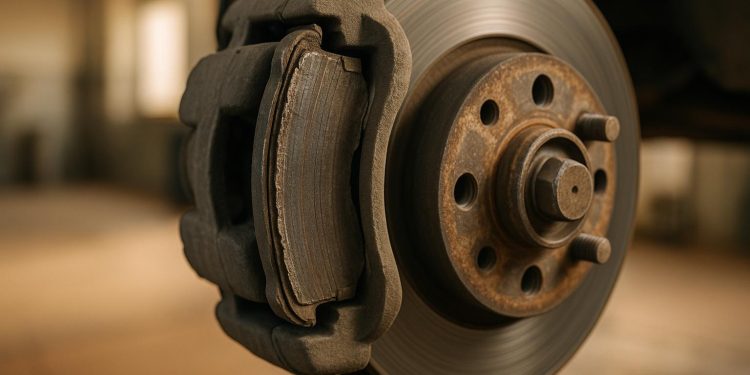
Credit: imotonews.co.za
Common Brake Pad Symptoms
Brake pads wear out over time and need replacement. Recognizing worn brake pads helps keep you safe on the road.
There are clear signs that tell you when brake pads need attention. Knowing these signs can prevent bigger problems.
Squeaking And Squealing Noises
Squeaking or squealing sounds often mean brake pads are worn. These noises happen when the pads are thin and metal parts touch.
The sound warns you that the pads need checking soon. Ignoring these noises can cause damage to your brake system.
- High-pitched squeal when braking
- Noise increases with speed
- Sound stops after brakes warm up
Reduced Braking Performance
If your brakes feel less powerful, worn pads might be the cause. Longer stopping distances are a common sign.
Soft or spongy brake pedals also show brake pad issues. This means the pads can no longer grip the brake discs well.
- Brakes take longer to stop the car
- Brake pedal feels soft or sinks down
- Car pulls to one side when braking

Credit: www.youtube.com
Visual Indicators On Brake Pads
Brake pads wear down over time and need checking. Visual signs help you know when to replace them.
Look closely at your brake pads for clear signs of damage or wear before problems start.
Thin Or Worn Brake Pad Material
Brake pads have a friction material that wears thin with use. When this layer is too thin, braking efficiency drops.
- Check if the pad material is less than 3 millimeters thick.
- Look for uneven wear on the pads.
- Notice if the metal backing plate is close to touching the rotor.
- Thin pads may cause squealing sounds during braking.
Visible Cracks Or Damage
Cracks or breaks in brake pads reduce their strength. They may cause dangerous braking performance.
| Type of Damage | Effect on Braking |
| Surface cracks | Reduced pad grip |
| Chunks missing | Uneven contact with rotor |
| Glazing (shiny patches) | Less friction, longer stopping distance |
Unusual Vehicle Behavior
Worn brake pads can cause strange actions in your vehicle. These signs often show up before a serious problem happens.
Knowing these behaviors helps you stay safe and fix the brakes on time.
Vibrations Or Pulsations When Braking
If you feel shaking or pulsing in the brake pedal or steering wheel, it may mean your brake pads are worn. This happens because the brake pads do not touch the disc smoothly.
- Shaking in the steering wheel or pedal during braking
- Pulsing feeling in the brake pedal
- Noise or squealing sounds when you press the brakes
- Longer distance to stop the car
Brake Pedal Feels Soft Or Spongy
A soft or spongy brake pedal means the brake pads or fluid may have a problem. This reduces the brake power and makes it unsafe to drive.
| Possible Cause | Effect on Braking |
|---|---|
| Worn Brake Pads | Less grip on the disc, pedal feels soft |
| Air in Brake Lines | Spongy pedal, poor brake response |
| Brake Fluid Leak | Reduced pressure, pedal sinks |

Credit: www.carparts.com
Consequences Of Ignoring Warning Signs
Ignoring worn brake pad signs can cause serious problems. It puts your safety at risk on the road.
Knowing the risks helps you act fast and avoid costly repairs or accidents.
Increased Stopping Distance
Worn brake pads reduce your car’s ability to stop quickly. This makes it dangerous in emergencies.
- Longer time to stop your vehicle
- Higher chance of collisions
- Increased risk to pedestrians and other drivers
- Reduced control on wet or slippery roads
Damage To Brake Rotors
Ignoring worn pads can damage brake rotors. This leads to costly repairs and unsafe driving.
| Issue | Effect |
| Brake pad wear | Metal touches rotor surface |
| Rotor damage | Grooves and uneven surfaces form |
| Cost | Rotor replacement is expensive |
| Safety | Reduced braking power and control |
Frequently Asked Questions
What Are Common Signs Of Worn Brake Pads?
Squeaking sounds, longer stopping distance, and a grinding noise show brake pads are worn.
How Can I Tell If Brake Pads Need Replacement?
Look for thin pads, warning lights, or a pulsing brake pedal when stopping.
Why Do Worn Brake Pads Make Noise?
Worn pads cause metal to contact the rotor, making loud screeching or grinding sounds.
Can Worn Brake Pads Affect Car Safety?
Yes, worn pads reduce braking power, increasing accident risk and making stopping harder.
How Often Should Brake Pads Be Checked Or Replaced?
Brake pads should be checked every 10,000 miles and replaced if less than 3mm thick.
Conclusion
Worn brake pads can cause serious safety risks on the road. Listen for squealing or grinding sounds while driving. Notice if your car takes longer to stop than before. Feel for vibrations or a soft brake pedal. These signs mean it’s time to replace your brake pads.
Regular checks keep your brakes working well and protect you. Don’t wait until problems get worse or more costly. Stay safe by paying attention to these simple warning signs. Your brakes are key to safe driving every day.