Signs Of Low Transmission Fluid: Warning Signals You Can’t Ignore
Last Updated on August 17, 2026
Have you noticed your car shifting gears roughly or making strange noises? These could be signs of low transmission fluid.
Ignoring this issue can lead to costly repairs and leave you stranded when you least expect it. Understanding the warning signs helps you act quickly and protect your vehicle. Keep reading to learn the key symptoms you shouldn’t overlook and how to keep your transmission running smoothly.

Credit: maclanesauto.com
Common Symptoms
Low transmission fluid can cause several problems in your vehicle. It is important to know the signs early.
This guide explains common symptoms to watch for if your transmission fluid is low.
Slipping Gears
When transmission fluid is low, your car may slip out of gear. This means the car changes gears without you asking.
- The engine revs higher but the car moves slower.
- You may feel a sudden loss of power.
- Shifting can feel rough or jerky.
Delayed Shifting
Low fluid can cause a delay before your car changes gears. This makes driving unsafe and uncomfortable.
| Symptom | What Happens |
| Long pauses | Car hesitates before changing gears |
| Hard shifts | Gear changes feel rough or sudden |
| Gear hunting | Transmission shifts up and down repeatedly |
Transmission Overheating
Transmission fluid cools the transmission parts. Low fluid may cause overheating.
Signs of overheating include:
- Burning smell from the transmission
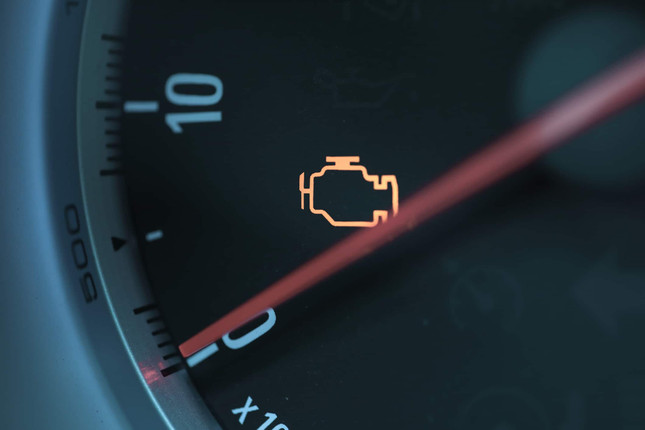
- Warning light on your dashboard
- Transmission feels hot to touch (only check when safe)
Credit: www.youtube.com
Visual Indicators
Low transmission fluid can cause serious problems for your vehicle. You can spot low fluid by checking its look and smell. These signs help you know when to take action.
Look closely at the fluid and the area around the transmission. This way, you can catch problems early and avoid bigger damage.
Fluid Leaks
One clear sign of low transmission fluid is a leak. You might see red or brown fluid under your car. Leaks often happen near the transmission area.
Check the ground where you park. Small puddles or spots of fluid show that your car is losing transmission fluid.
- Look for red or brown fluid spots under the car
- Check near the transmission or cooler lines
- Notice wet or oily areas on transmission parts
Discolored Fluid
Healthy transmission fluid is usually bright red or pink. If the fluid looks dark brown or black, it may be old or burnt. Dark fluid means low or bad transmission fluid.
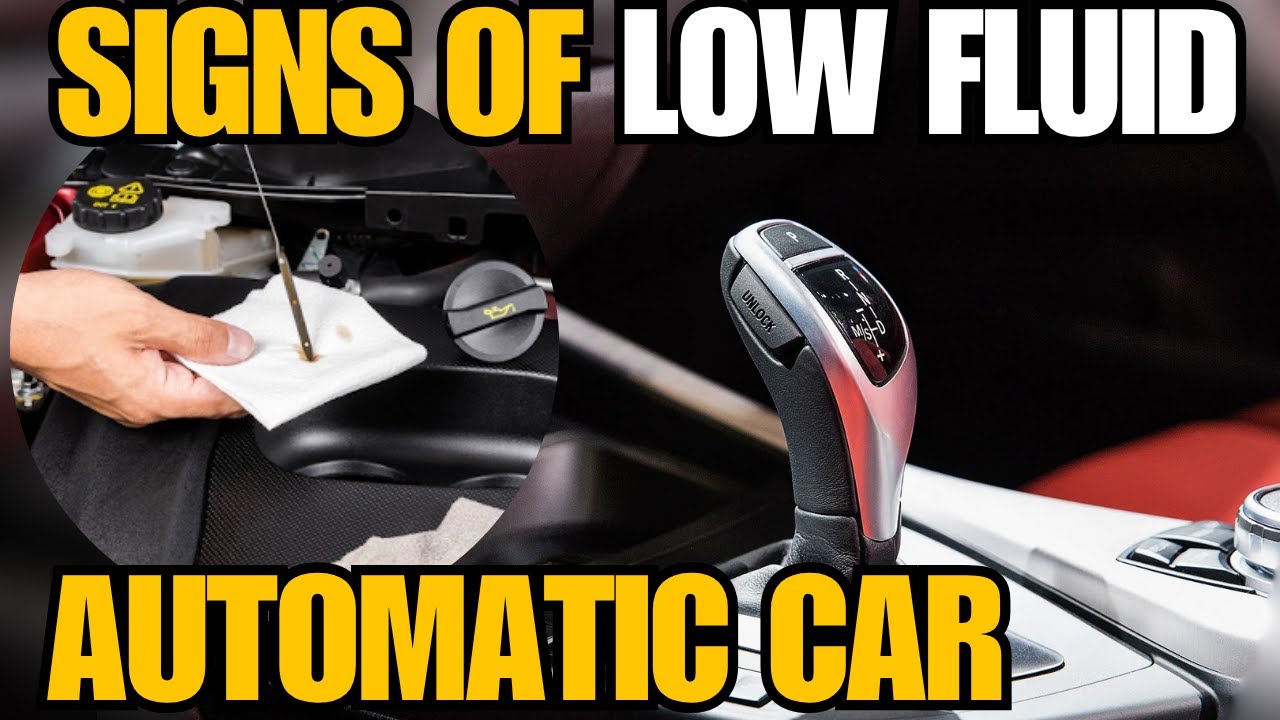
Check the fluid using the dipstick. If the color is off, it shows the fluid is not working well. This can cause transmission damage.
- Bright red or pink fluid is normal
- Dark brown or black fluid shows wear or damage
- Cloudy or dirty fluid means contamination
Burnt Smell
Burnt transmission fluid has a strong, unpleasant odor. This smell means the fluid is overheated or old. It happens when the fluid level is low or the fluid is broken down.
If you smell something burning near the transmission, check the fluid right away. Ignoring the burnt smell can cause serious transmission problems.
Performance Issues
Low transmission fluid can cause your vehicle to perform poorly. It affects how smoothly your car drives and shifts gears.
Recognizing the signs early can help you avoid bigger problems and costly repairs.
Unusual Noises
If your transmission fluid is low, you may hear strange sounds. These can include whining, clunking, or buzzing noises when driving or shifting gears.
- Whining sounds when accelerating
- Clunking noises while changing gears
- Buzzing or humming from the transmission
Reduced Fuel Efficiency
Low transmission fluid makes your engine work harder. This extra effort uses more fuel, lowering your car’s mileage.
| Cause | Effect on Fuel Efficiency |
|---|---|
| Low transmission fluid | Increased fuel consumption |
| Poor gear shifting | Engine strain and wasted fuel |
| Overheating transmission | Reduced engine performance |
Jerking Movements
Your car may jerk or hesitate when shifting gears if the transmission fluid is low. This causes uneven power delivery and rough driving.
Signs of jerking movements include:
- Sudden lurches forward or backward
- Delayed gear response
- Shaking during acceleration
Credit: gearstar.com
Preventive Actions
Low transmission fluid can cause serious car problems. Taking steps to prevent low fluid helps keep your vehicle running smoothly.
Regular care helps avoid costly repairs and extends your transmission’s life.
Regular Fluid Checks
Check transmission fluid often to catch problems early. Look for low levels or dirty fluid.
Use the dipstick to check fluid color and level while the engine is warm.
- Park on level ground
- Run engine until warm
- Pull out dipstick and wipe clean
- Reinsert dipstick and check fluid level
- Look for red or pink fluid; avoid dark or burnt smell
Timely Fluid Replacement
Change transmission fluid as recommended by your vehicle’s manual. Old fluid loses its ability to protect parts.
Fresh fluid helps transmission shift smoothly and avoids damage.
- Replace fluid every 30,000 to 60,000 miles
- Use the correct fluid type for your car
- Consider fluid flush if fluid is very dirty
Professional Inspections
Have a mechanic inspect your transmission regularly. They can spot issues you may miss.
Experts check fluid condition, leaks, and transmission performance during service visits.
- Schedule inspections every year or per manual
- Ask about transmission fluid condition
- Get repairs done quickly if problems appear
Frequently Asked Questions
What Are Common Signs Of Low Transmission Fluid?
Slipping gears, delayed shifting, and unusual noises often indicate low transmission fluid levels.
How Does Low Transmission Fluid Affect Car Performance?
Low fluid causes rough shifting, overheating, and can damage the transmission over time.
Can Low Transmission Fluid Cause Transmission Slipping?
Yes, slipping often happens because the fluid can’t properly lubricate the transmission parts.
How Can I Check My Transmission Fluid Level?
Use the dipstick when the engine is warm and car is on level ground.
What Happens If Low Transmission Fluid Is Ignored?
Ignoring it can lead to costly repairs and complete transmission failure.
Conclusion
Low transmission fluid can cause serious car problems. Watch for signs like slipping gears or strange noises. Check fluid levels often to keep your transmission healthy. Acting fast helps avoid costly repairs later. Keep your car running smoothly and safely.
Remember, small problems today can turn big tomorrow. Stay alert and maintain your vehicle regularly.