What Is A CVT Transmission: Ultimate Guide to Smooth Driving
Last Updated on August 17, 2026
Have you ever wondered what makes your car’s ride feel so smooth or why some vehicles seem to accelerate effortlessly? The answer often lies in the type of transmission under the hood.
If you’ve heard the term “CVT transmission” but aren’t sure what it means or how it affects your driving, you’re in the right place. Understanding what a CVT transmission is can change the way you think about your car’s performance and fuel efficiency.
Keep reading to discover how this clever system works and why it might be the perfect fit for your next vehicle.
Credit: www.northyorkchrysler.ca
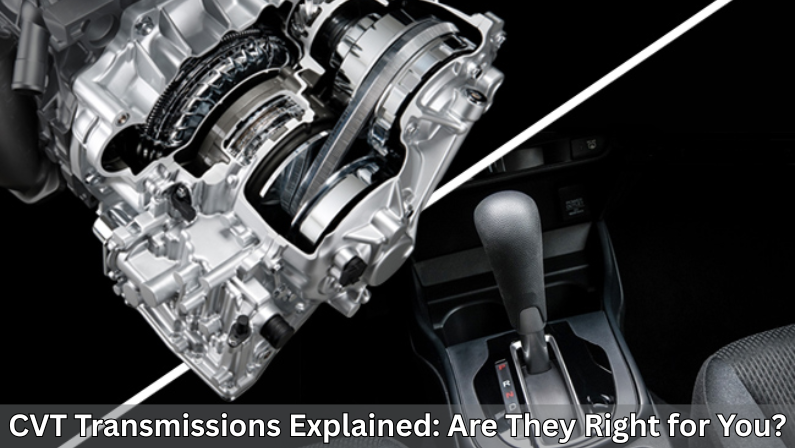
How Cvt Transmission Works
A CVT transmission changes the gear ratio continuously. This lets the engine run at its best power.
It works differently from normal automatic or manual transmissions. It uses special parts to adjust gears smoothly.
Basic Components
A CVT has three main parts. These parts work together to change gear ratios without steps.
- Two pulleys: one connected to the engine, one to the wheels
- A belt or chain that links the two pulleys
- A system that changes the pulley sizes to adjust the gear ratio
The pulleys have cones that move closer or farther apart. This changes the belt’s position and the gear ratio.
Continuous Gear Ratios
CVT does not use fixed gears. It can move through many gear ratios without steps.
This lets the engine run at the best speed for power or fuel savings. It makes driving smooth and efficient.
- Low gear ratio for quick acceleration
- High gear ratio for better fuel economy
- Infinite ratios between low and high for smooth change
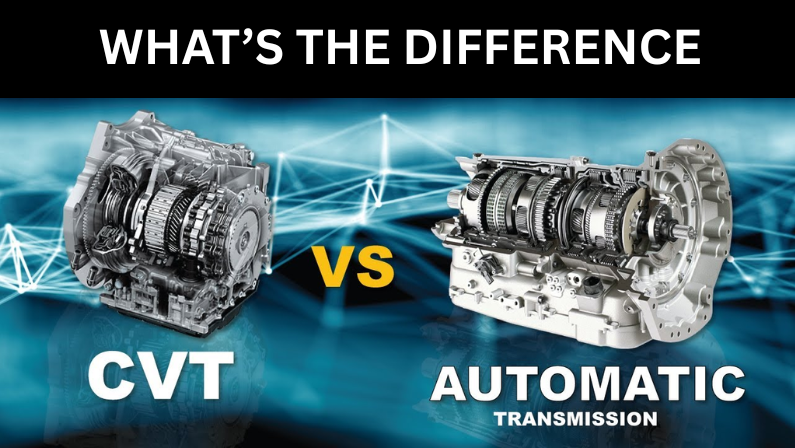
Comparison With Traditional Transmissions
Traditional transmissions have set gears. They change gears in steps, which can feel jerky.
CVTs change ratios smoothly without fixed gears. This improves comfort and fuel efficiency.
| Feature | Traditional Transmission | CVT Transmission |
|---|---|---|
| Gear Ratios | Fixed steps | Continuous range |
| Shift Feel | Noticeable gear changes | Smooth and seamless |
| Fuel Efficiency | Less efficient at times | Often better due to optimal engine speed |
| Complexity | More moving parts | Fewer parts but special belt system |
Benefits Of Cvt Transmission
A CVT transmission is a type of automatic transmission. It changes gear ratios smoothly without fixed steps. Many modern cars use CVT for better driving experience.
This transmission offers several benefits. It helps improve fuel use, makes acceleration smooth, and reduces engine wear. Let’s explore these advantages.
Fuel Efficiency
CVT transmissions keep the engine running at the best speed. This helps the engine use less fuel. Cars with CVT often have better mileage than those with regular transmissions.
By adjusting gear ratios smoothly, the CVT avoids wasting fuel. It matches power needs without extra effort from the engine.
Smoother Acceleration
CVT provides smooth acceleration without gear shifts. You do not feel jerks or pauses while speeding up. This makes driving more comfortable.
Because there are no fixed gears, the car can increase speed gradually. This improves control, especially in city traffic or on highways.
Reduced Engine Wear
CVT helps the engine run at a steady pace. It avoids sudden changes in engine speed. This lowers stress on engine parts and extends engine life.
By keeping the engine at optimal speeds, CVT reduces friction and heat. This leads to fewer repairs and better reliability over time.
Common Issues With Cvt
CVT stands for Continuously Variable Transmission. It is different from regular gear transmissions. Many cars use CVTs for smooth driving and better fuel efficiency.
CVTs can have problems that affect car performance. Knowing these issues helps you keep your car in good shape.
Overheating Problems
CVTs can overheat if the fluid is old or low. Overheating causes the transmission to work poorly. It may lead to damage if not fixed.
Hot weather and heavy use, like towing, increase the chance of overheating. The transmission needs good cooling to stay safe.
Maintenance Requirements
CVTs need special care. Using the right fluid is very important. Regular fluid changes help the transmission last longer.
Ignoring maintenance can cause slipping and poor shifting. Check the fluid level and condition often. Follow the car maker’s schedule for service.
- Use only CVT-specific transmission fluid
- Change fluid every 30,000 to 60,000 miles
- Inspect for leaks regularly
- Have a mechanic check the CVT if you notice issues
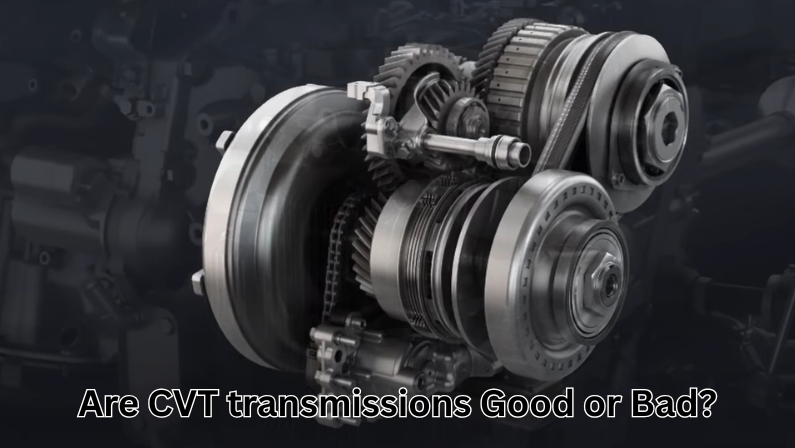
Signs Of Cvt Failure
There are clear signs when a CVT is failing. Listen for strange noises like whining or grinding. These sounds mean the transmission is under stress.
The car may hesitate, lose power, or shift oddly. Warning lights on the dashboard can also appear. Early action can prevent costly repairs.
- Whining or grinding noises
- Delayed or jerky acceleration
- Dashboard warning lights
- Loss of power while driving
Credit: www.northyorkchrysler.ca
Choosing A Vehicle With Cvt
A CVT transmission changes gear ratios smoothly without steps. It helps cars run efficiently and can save fuel. Many modern vehicles use CVT for better performance in city and highway driving.
When picking a vehicle with a CVT, you should know which models offer it. Also, consider how the CVT feels while driving and its cost impacts. This guide covers popular models, driving experience, and cost factors.
Popular Models
- Honda Civic
- Toyota Corolla
- Subaru Outback
- Nissan Altima
- Hyundai Elantra
These cars often use CVT for smooth acceleration and better fuel economy. They cover many budgets and sizes, from compact to midsize SUVs.
Driving Experience
CVTs deliver a steady and quiet ride. They do not shift gears like regular transmissions, which some drivers notice as a smooth or “slipping” feeling. This is normal for CVTs.
| Feature | CVT | Traditional Automatic |
| Gear Changes | Seamless, no steps | Step-by-step shifts |
| Fuel Efficiency | Usually higher | Usually lower |
| Noise Level | Lower | Higher |
| Acceleration Feel | Smooth | More direct |
Cost Considerations
CVT vehicles often cost less in fuel over time. Repair costs can be higher if the CVT fails. Maintenance is key to avoid big expenses.
- Fuel savings add up with daily driving
- CVT repairs may cost more than regular transmissions
- Regular fluid changes extend CVT life
- Check warranty coverage for CVT parts
Credit: www.northyorkchrysler.ca
Frequently Asked Questions
What Does Cvt Transmission Stand For?
CVT stands for Continuously Variable Transmission, a type of automatic transmission without fixed gears.
How Does A Cvt Transmission Work?
It uses belts and pulleys to change gear ratios smoothly, providing seamless acceleration.
What Are The Benefits Of A Cvt Transmission?
CVTs offer better fuel efficiency, smoother rides, and simpler mechanical design than regular transmissions.
Are Cvt Transmissions Reliable For Daily Driving?
Yes, modern CVTs are reliable and require less maintenance if used properly.
Can Cvt Transmissions Improve Fuel Economy?
Yes, CVTs adjust engine speed efficiently, often saving fuel compared to traditional transmissions.
Conclusion
A CVT transmission helps cars change speeds smoothly. It uses belts and pulleys instead of gears. This design saves fuel and makes driving quiet. Many modern cars use CVTs for better efficiency. Knowing how a CVT works can help you understand your vehicle.
It also makes it easier to spot problems early. Keep this info in mind when choosing or maintaining a car. Simple and smart technology, the CVT keeps your ride steady and easy.