Signs Of Worn Suspension: Top Warning Signs You Must Know
Last Updated on August 17, 2026
Have you noticed your car feeling a bit off lately? Maybe it’s bouncing more than usual or making strange noises when you hit a bump.
These could be signs of a worn suspension—something you don’t want to ignore. Your suspension plays a big role in keeping your ride smooth and your drive safe. If it’s failing, you might be putting yourself and your passengers at risk without even realizing it.
Keep reading to discover the key signs that your suspension needs attention before small problems turn into costly repairs.
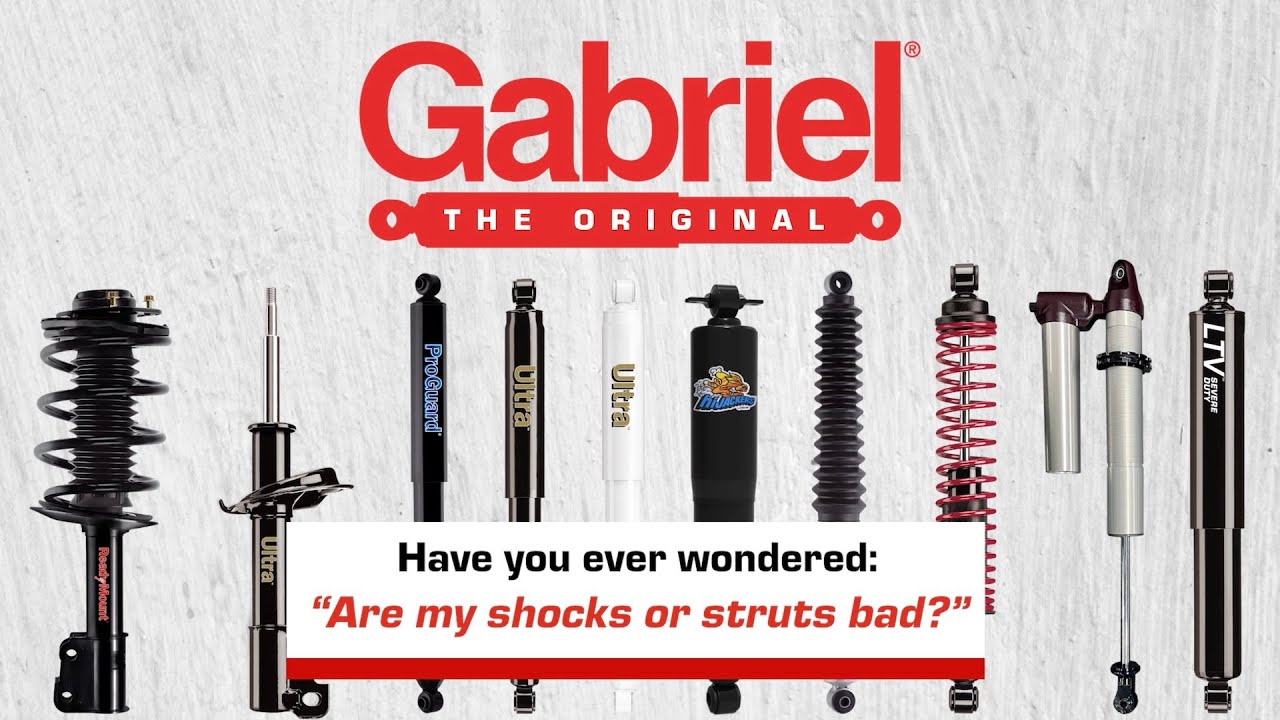
Credit: www.youtube.com
Common Symptoms
The suspension system helps your vehicle stay smooth and safe. Worn parts cause problems that affect driving.
Watch for signs that show your suspension needs repair. Early detection can prevent bigger damage.
Uneven Tire Wear
Worn suspension parts cause uneven tire wear. Tires may wear faster on one side or show bald spots.
| Symptom | Cause | Effect |
| Tire wear on edges | Bad shock absorbers | Less tire life |
| Bald spots on tires | Loose suspension parts | Rough ride |
| Uneven tread depth | Misaligned suspension | Poor handling |
Excessive Bouncing
If your car bounces too much after hitting bumps, suspension parts might be worn out. This affects comfort and control.
- Vehicle bounces more than usual
- Shocks or struts feel weak
- Loss of vehicle stability
- Longer stopping distances
Steering Issues
Worn suspension parts cause steering problems. The wheel may pull to one side or feel loose.
Common steering symptoms include:
- Steering wheel vibration
- Pulling to left or right
- Difficulty keeping the vehicle straight
- Loose or unresponsive steering
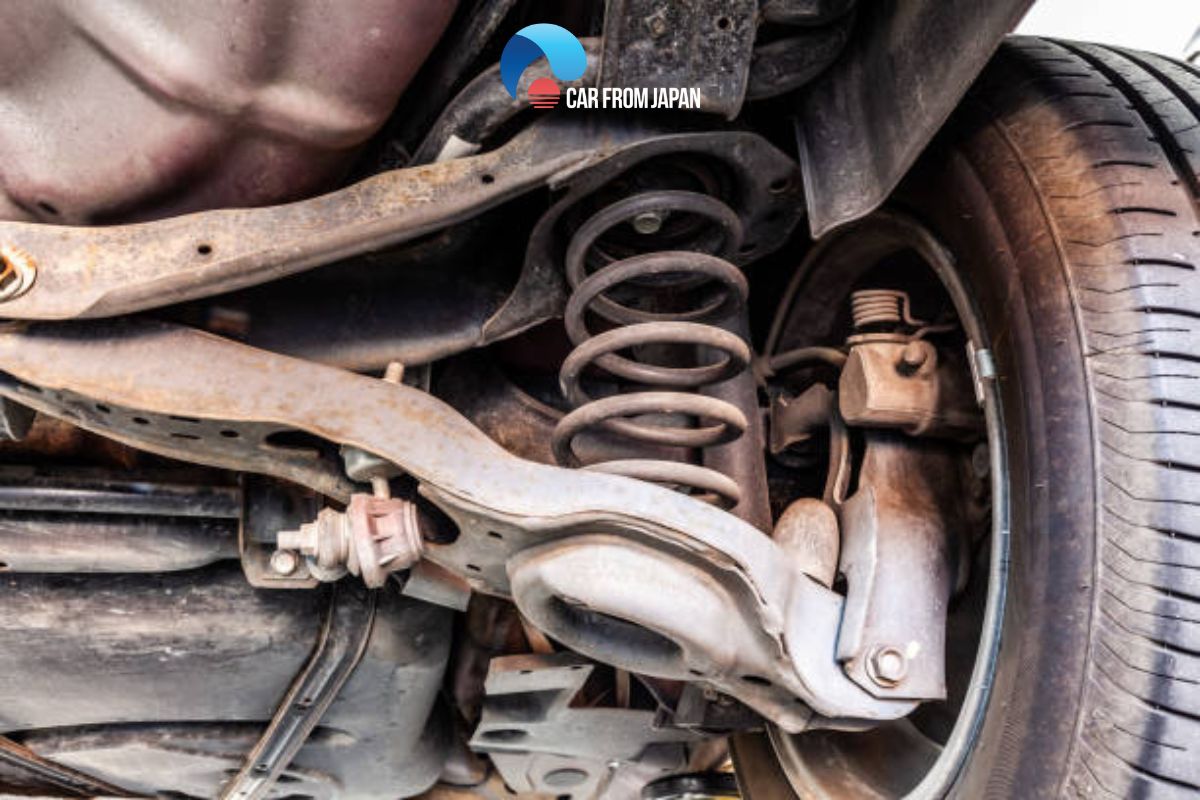
Credit: carfromjapan.com
Noises To Notice
Your car’s suspension helps keep the ride smooth. When parts wear out, you may hear strange noises. These sounds can warn you about problems.
Pay close attention to noises from the suspension. They often mean it is time for repair or inspection.
Clunking Sounds
Clunking noises often happen when suspension parts are loose or broken. You may hear these sounds when driving over bumps or turning corners.
- Worn ball joints
- Damaged control arm bushings
- Loose sway bar links
- Broken shock absorbers
Squeaking Or Creaking
Squeaks or creaks often come from dry or worn suspension parts. These noises can increase when you turn the wheel or go over rough roads.
| Cause | Typical Noise | When It Happens |
|---|---|---|
| Dry bushings | Squeaking | Turning or bumping |
| Worn shocks | Creaking | Driving on rough roads |
| Loose springs | Squeak or creak | When suspension moves |
Visual Indicators
Worn suspension can cause many problems while driving. It is important to spot signs early. Visual indicators help identify worn parts.
Checking your vehicle regularly helps keep it safe. Look for damage or leaks on suspension components.
Leaking Shock Absorbers
Shock absorbers control the bounce of your vehicle. When they leak oil, their performance drops. Oil stains on shocks show a leak.
Leaking shocks cause poor ride quality and longer stopping distances. Look for wet or oily areas around the shocks.
- Oil spots on the body near wheels
- Wet or dirty shock absorber tubes
- Rust or corrosion around the shocks
Damaged Suspension Components
Suspension parts like springs and control arms can wear out or break. Damage affects vehicle handling and safety.
Look for cracks, bends, or missing parts. Rust can also weaken suspension components.
- Cracked or broken springs
- Bent control arms or rods
- Loose or missing bolts and bushings
- Rust or corrosion on metal parts
Safety Risks
Worn suspension parts affect your car’s safety. They reduce control and increase danger on the road.
Knowing the signs helps prevent accidents. Pay attention to how your vehicle handles and stops.
Reduced Handling
Worn suspension causes poor handling. The car may sway or lean on turns. This makes steering harder and less stable.
- Car pulls to one side
- Excessive body roll on corners
- Unusual noises when turning
- Loose or shaky steering
Increased Stopping Distance
Damaged suspension affects braking. The car may take longer to stop. This risk grows on wet or slippery roads.
| Condition | Effect on Stopping Distance |
|---|---|
| Good Suspension | Short, controlled stops |
| Worn Suspension | Longer, unstable stops |

Credit: www.reddit.com
Frequently Asked Questions
What Are Common Signs Of A Worn Suspension System?
A worn suspension causes uneven tire wear, bumpy rides, and poor steering control.
How Does A Worn Suspension Affect Car Handling?
It makes the car feel unstable, with more body roll and difficulty turning.
Can Worn Suspension Cause Unusual Noises In The Vehicle?
Yes, clunks, squeaks, or rattles often signal worn suspension parts.
How To Check If Suspension Needs Repair?
Look for sagging, bouncing after bumps, or uneven tire wear as clear signs.
Does Worn Suspension Impact Braking Performance?
Yes, it can increase stopping distance and reduce brake effectiveness.
Conclusion
Worn suspension affects your car’s safety and comfort. Watch for unusual noises or a bumpy ride. Uneven tire wear or steering problems can also signal trouble. Fixing these signs early helps avoid costly repairs later. Keep your vehicle smooth and safe by checking suspension regularly.
Don’t ignore the signs—your car needs attention to run well. Stay alert and maintain your suspension for better driving.