Importance Of Transmission Fluid: Essential Tips for Vehicle Health
Last Updated on August 17, 2026
Have you ever wondered what keeps your car running smoothly behind the scenes? One of the unsung heroes is your transmission fluid.
It might not be something you think about often, but without the right amount and quality of transmission fluid, your vehicle can face serious problems. Understanding why transmission fluid is important can save you from costly repairs and keep your ride feeling fresh.
You’ll discover exactly how transmission fluid works and why taking care of it matters for your car’s health and your peace of mind. Keep reading—you won’t want to miss these essential tips!
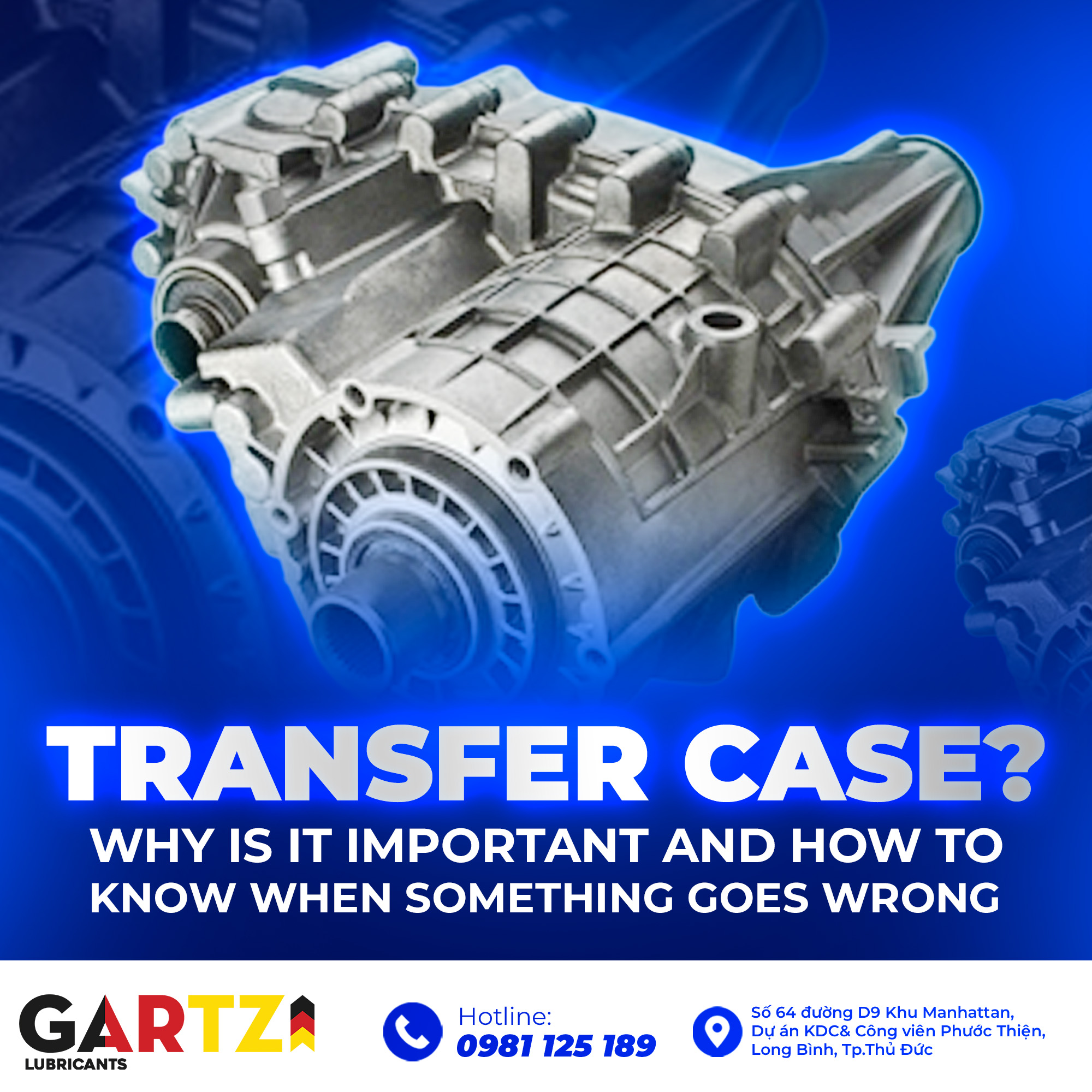
Credit: gartzlube.com
Role Of Transmission Fluid
Transmission fluid plays a key role in the smooth operation of your vehicle. It helps the transmission work efficiently and last longer.
This fluid supports several functions inside the transmission system. Understanding its role helps you maintain your vehicle better.
Lubrication And Cooling
Transmission fluid lubricates moving parts to reduce friction. It also helps cool the transmission by carrying heat away.
- Reduces wear on gears and bearings
- Prevents overheating during operation
- Keeps the transmission running smoothly
Hydraulic Function
The fluid acts as a hydraulic fluid to transfer power. It moves through channels and helps engage gears and clutches.
| Function | Description |
| Pressure Transfer | Fluid creates pressure to shift gears |
| Clutch Engagement | Fluid helps connect and disconnect clutches |
| Gear Movement | Fluid moves parts to change gear ratios |
Preventing Wear And Tear
Transmission fluid protects parts from damage and rust. It cleans and removes debris that can cause problems.
- Contains additives to prevent rust
- Keeps parts clean by carrying away dirt
- Reduces noise by cushioning metal parts
Signs Of Transmission Fluid Issues
Transmission fluid keeps your vehicle running smoothly. It cools and lubricates the transmission parts.
When the fluid has problems, your car shows clear signs. Watch for these signs to avoid costly repairs.
Unusual Noises
Noises like whining or clunking can mean low or dirty transmission fluid. The fluid keeps parts moving quietly.
If you hear strange sounds when shifting gears, check the fluid level and condition right away.
- Whining or humming noises
- Clunking or banging sounds
- Grinding noises during gear changes
Shifting Problems
Bad transmission fluid can cause your car to shift roughly or slip gears. Smooth shifting needs clean fluid.
Delayed or hard gear changes show the fluid might be old, dirty, or low.
- Hard to change gears
- Delayed gear engagement
- Gear slipping while driving
Fluid Leaks
Transmission fluid leaks are easy to spot. Look for red or brown puddles under your car.
Leaks lower fluid levels and cause transmission damage if not fixed quickly.
- Red or brown fluid under the vehicle
- Wet spots near transmission or oil pan
- Strong, oily smell inside or outside car
How To Check Transmission Fluid
Transmission fluid keeps your car’s transmission working well. It helps with smooth gear changes and cools the parts inside.
Checking the fluid regularly can stop big problems and save money on repairs. Here is how to check transmission fluid safely and correctly.
Tools Needed
- Clean rag or paper towels
- Funnel (optional)
- Gloves to keep hands clean
- Owner’s manual for your vehicle
- Flat surface to park the car
Step-by-step Process
- Park your car on a flat surface and turn off the engine.
- Wait for the engine to cool down if it is hot.
- Find the transmission fluid dipstick under the hood. Check your owner’s manual if needed.
- Pull the dipstick out and wipe it clean with a rag.
- Insert the dipstick back fully, then pull it out again.
- Look at the fluid level and color on the dipstick.
- The fluid should be pink or red and clear, not dark or smelly.
- If the level is low, add the right type of transmission fluid using a funnel.
- Put the dipstick back in place securely.
When To Check
Check your transmission fluid at least every 30,000 to 60,000 miles. Also check if:
- Your car shifts roughly or slips gears.
- You notice a burning smell or strange noises.
- Fluid leaks appear under your car.
- You plan long trips or heavy towing.
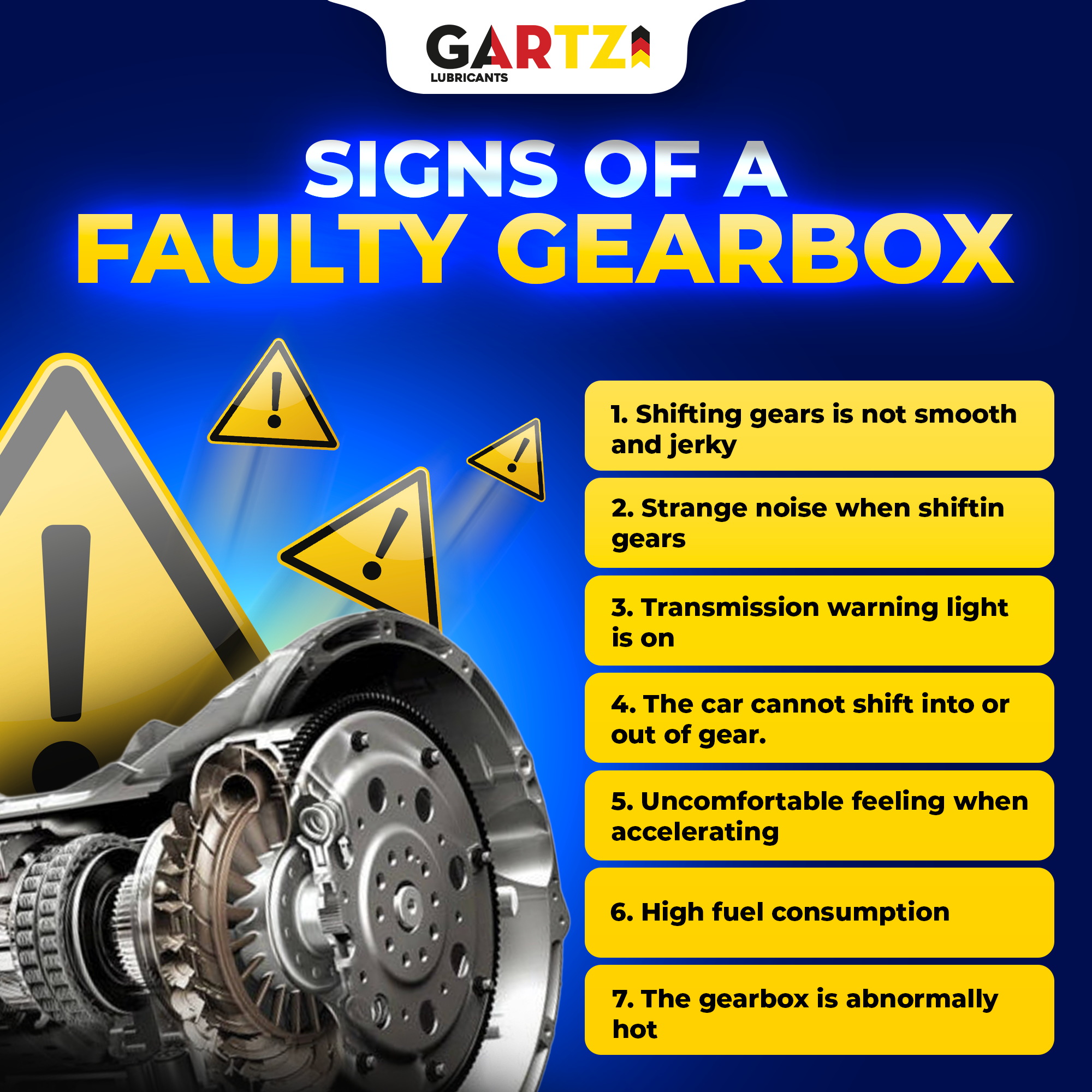
Credit: gartzlube.com
Tips For Maintaining Transmission Fluid
Transmission fluid helps your car shift gears smoothly. Keeping it clean and full is very important.
Good care of transmission fluid keeps your vehicle running longer and prevents costly repairs.
Regular Fluid Changes
Change your transmission fluid as the car maker suggests. Old fluid loses its power to protect parts.
Regular changes stop dirt and metal bits from damaging your transmission system.
Choosing The Right Fluid
Use the type of fluid your car’s manual says. Different cars need different fluids to work well.
Using the wrong fluid can cause slipping or damage to the transmission parts.
Avoiding Overheating
Transmission fluid works best when it stays cool. Heat can break down the fluid fast.
Check your cooling system and avoid heavy towing to keep the transmission from getting too hot.
- Keep radiator and cooling fans in good shape
- Don’t tow loads heavier than your car can handle
- Park in shade to reduce heat buildup

Credit: www.acg.aaa.com
Frequently Asked Questions
What Is Transmission Fluid And Why Is It Important?
Transmission fluid lubricates and cools transmission parts, helping your vehicle shift gears smoothly.
How Often Should Transmission Fluid Be Changed?
Most cars need a transmission fluid change every 30,000 to 60,000 miles for best performance.
What Happens If Transmission Fluid Is Low Or Dirty?
Low or dirty fluid can cause overheating, gear slipping, and transmission damage.
Can Bad Transmission Fluid Affect Fuel Efficiency?
Yes, poor fluid condition can increase friction and reduce your vehicle’s fuel efficiency.
How To Check Transmission Fluid Level And Condition?
Use the dipstick when the engine is warm; fluid should be pink and clear, not dark or smelly.
Conclusion
Transmission fluid keeps your car running smooth and cool. It protects the parts inside your transmission from wear and tear. Clean fluid helps shift gears without trouble. Regular checks can catch problems early and save money. Neglecting this fluid can cause costly damage.
Treat your transmission fluid with care to extend your car’s life. Simple maintenance goes a long way. Don’t overlook this small but important part of car care. Your vehicle will thank you with better performance and fewer repairs.