Importance Of Regular Oil Changes: Boost Engine Life & Performance
Last Updated on August 17, 2026
You rely on your vehicle every day, and keeping it running smoothly is key to avoiding costly repairs. One simple step you can take to protect your car’s engine is regular oil changes.
But why exactly are they so important? Understanding this can save you money, improve your car’s performance, and extend its life. Keep reading to discover how a small routine can make a big difference for your vehicle—and why skipping it could cost you more than you think.

Credit: www.kalispelltoyota.com
Role Of Engine Oil
Engine oil plays a key part in keeping your car’s engine healthy. It helps parts move smoothly and stops damage.
Regular oil changes keep the engine oil fresh and working well. Old oil can cause problems and wear out the engine.
Lubrication And Friction Reduction
Engine oil coats moving parts inside the engine. This coating reduces friction between metal parts.
- Prevents metal surfaces from rubbing directly
- Reduces wear and tear on engine parts
- Keeps engine running smoothly and quietly
- Improves fuel efficiency by lowering resistance
Heat Dissipation
Engines get very hot during use. Engine oil helps carry heat away from parts.
| Function | How Engine Oil Helps |
| Heat Absorption | Oil absorbs heat from engine parts |
| Heat Transfer | Oil moves heat to cooler areas |
| Heat Release | Heat leaves engine through oil cooler or sump |
Contaminant Removal
Engine oil captures dirt and tiny metal bits from inside the engine. This keeps the engine clean.
Key roles of engine oil in cleaning:
- Traps dirt and soot in the oil filter
- Prevents buildup on engine parts
- Protects engine from corrosion
- Keeps engine parts working well longer
Signs You Need An Oil Change
Regular oil changes keep your car’s engine running smoothly. Old oil can cause serious problems.
Watch for signs that tell you when to change the oil. These signs help protect your engine.
Unusual Engine Noise
Old or dirty oil loses its ability to lubricate engine parts well. This causes friction and noise.
If you hear knocking or loud sounds from your engine, it may need an oil change.
Decreased Fuel Efficiency
Dirty oil makes the engine work harder. This uses more fuel than usual.
If your car’s gas mileage drops, check the oil. Changing it can improve fuel efficiency.
- Harder engine work increases fuel use
- Fresh oil reduces friction
- Better lubrication helps save gas
Dark Or Dirty Oil
New oil is usually light brown or amber. Over time, it turns dark and thick.
Check your oil with the dipstick. If it looks very dark or gritty, it needs changing.
- Light brown oil is clean
- Dark oil means dirt and debris
- Dirty oil can harm engine parts
Benefits Of Regular Oil Changes
Regular oil changes keep your car’s engine running smoothly. They help remove dirt and old oil that can harm engine parts.
Changing oil often protects your engine and improves how your vehicle works over time.
Extended Engine Lifespan
Fresh oil reduces wear and tear on engine parts. It keeps the engine clean and stops rust from forming. This helps your engine last longer and saves you money on repairs.
Improved Performance
Clean oil helps the engine run better. It allows the parts to move freely and reduces friction. This leads to smoother driving and better fuel efficiency.
- Prevents engine overheating
- Improves fuel economy
- Reduces engine noise
Lower Emissions
| Benefit | Effect |
|---|---|
| Clean oil | Reduces harmful exhaust gases |
| Better combustion | Improves air quality |
| Less engine strain | Limits pollution output |

Credit: www.gotodobbs.com
Choosing The Right Oil
Regular oil changes keep your engine running smoothly. Choosing the right oil is key for good performance.
Using the correct oil protects your engine parts and helps save fuel. Learn about different oils and what suits your car.
Types Of Engine Oil
Engine oils come in three main types. Each type has benefits for different needs and engines.
- Synthetic oil: Made in labs, lasts longer, and works well in extreme temperatures.
- Conventional oil: Made from crude oil, cheaper but needs changing more often.
- Synthetic blend: Mix of synthetic and conventional oils, offers good protection and value.
Oil Viscosity Importance
Viscosity means how thick or thin the oil is. It affects how well the oil flows and protects the engine.
| Viscosity Grade | Temperature Suitability | Common Use |
|---|---|---|
| 5W-30 | Cold and warm climates | Most modern cars |
| 10W-40 | Warmer climates | Older or high-mileage engines |
| 0W-20 | Very cold climates | Fuel-efficient vehicles |
Manufacturer Recommendations
Your car’s manual tells you the best oil type and viscosity. Following these guides keeps the warranty valid and the engine safe.
Check your manual for:
- Oil type (synthetic, conventional, blend)
- Recommended viscosity grade
- Oil change intervals
- Special requirements for turbo or diesel engines
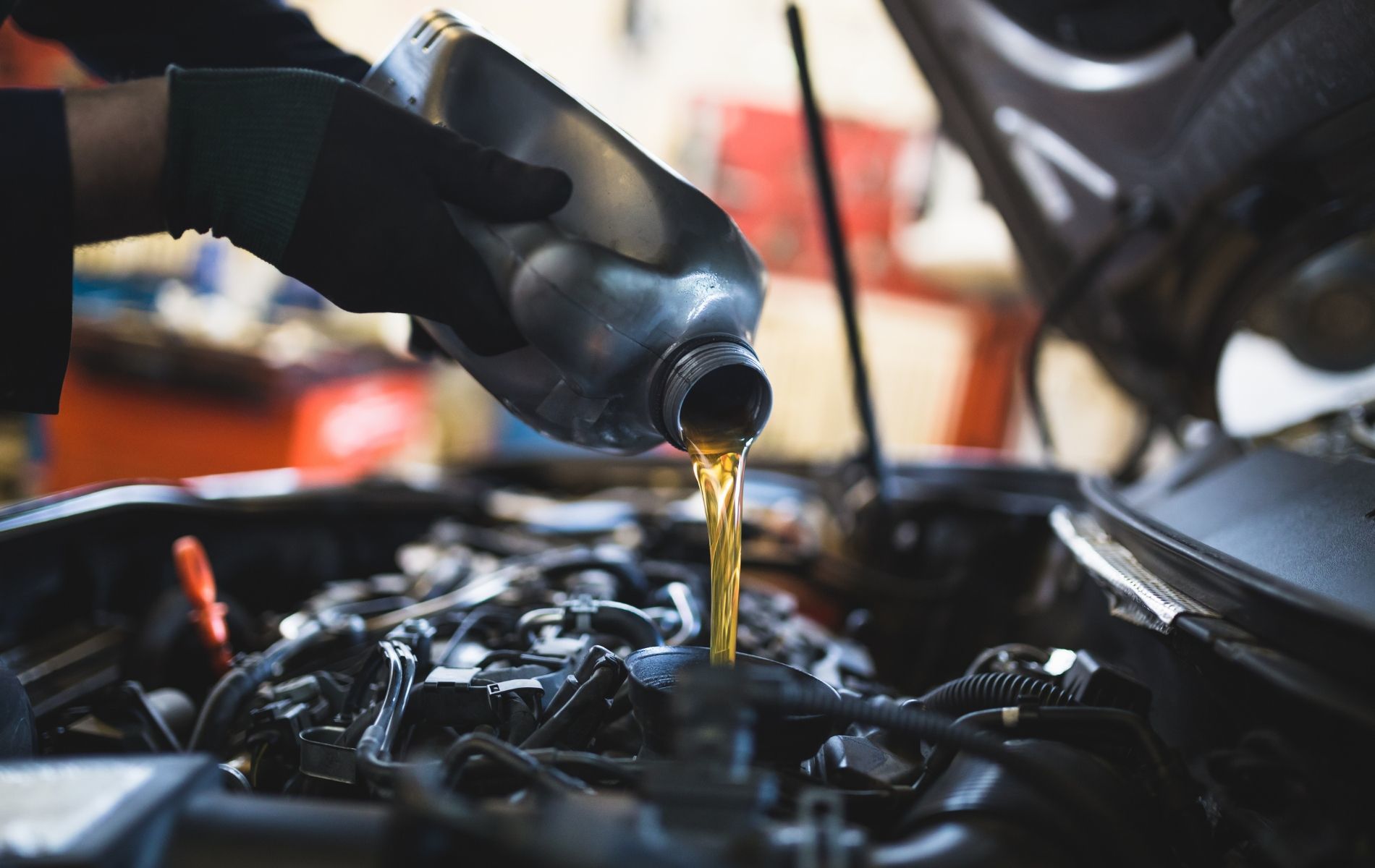
Credit: www.dilawri.ca
Frequently Asked Questions
What Happens If I Skip Regular Oil Changes?
Skipping oil changes causes engine wear, overheating, and can lead to costly repairs.
How Often Should I Change My Car’s Oil?
Most cars need an oil change every 3,000 to 5,000 miles or as per the manual.
Can Regular Oil Changes Improve Fuel Efficiency?
Yes, clean oil helps the engine run smoothly, which can improve fuel use.
What Type Of Oil Is Best For My Vehicle?
Use the oil grade recommended in your car’s manual for best engine performance.
How Do I Know It’s Time For An Oil Change?
Look for dark, dirty oil or check the oil change light on your dashboard.
Conclusion
Regular oil changes keep your engine clean and running smooth. They help prevent costly repairs and extend your car’s life. Clean oil improves fuel efficiency and reduces pollution. Skipping oil changes can lead to engine damage and poor performance. Keep a schedule and check your oil often.
Taking care of your car this way saves money and stress. Simple steps like this protect your investment. Don’t wait until problems appear. Stay ahead with regular oil changes for a healthy engine.