Types Of Car Engines: Ultimate Guide to Power and Performance
Last Updated on August 17, 2026
When it comes to choosing your next car, understanding the type of engine under the hood can make all the difference. You might think all engines are the same, but knowing the differences can help you pick a car that fits your needs perfectly.
Whether you want more power, better fuel efficiency, or something eco-friendly, the engine plays a key role. You’ll discover the main types of car engines, how they work, and which one might be the best match for your driving style.
Keep reading to unlock the secrets that can save you money and boost your driving experience.
Credit: www.ddongusedcar.com
Gasoline Engines
Gasoline engines power many cars worldwide. They burn gasoline to create energy.
These engines convert fuel into motion using a series of controlled explosions.
How They Work
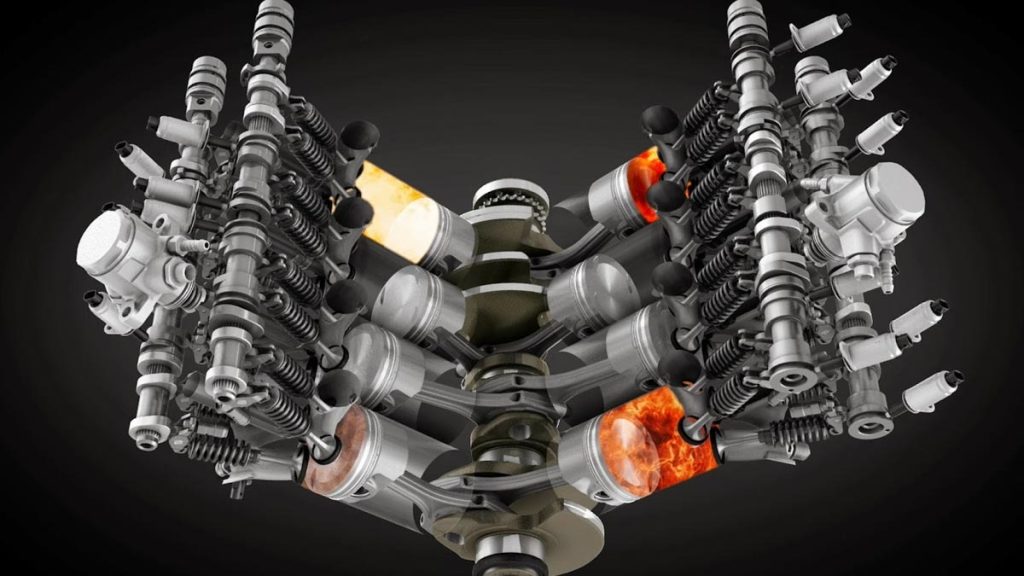
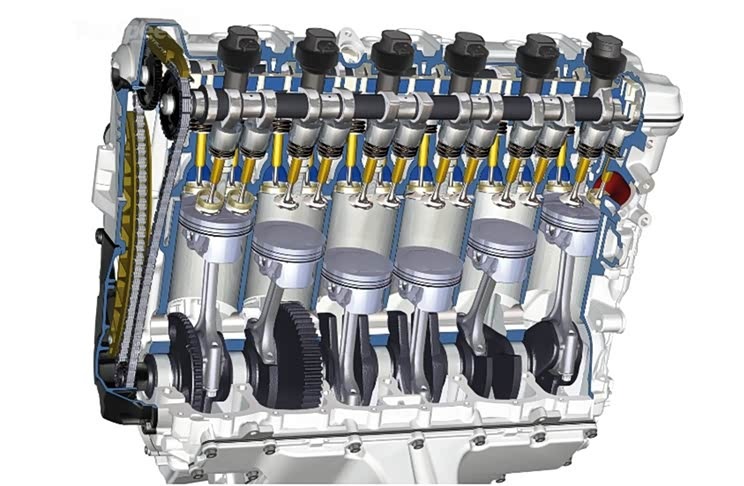
Gasoline engines use air and fuel mixed together. This mixture enters the engine’s cylinders.
Inside each cylinder, a spark ignites the mixture. The explosion pushes a piston down.
The piston’s movement turns the crankshaft. This motion powers the car’s wheels.
Common Variants
- Inline engines have cylinders arranged in a straight line.
- V engines have cylinders in two banks shaped like a V.
- Flat engines have cylinders lying flat and opposite each other.
- Rotary engines use a spinning triangular rotor instead of pistons.
Performance Features
| Feature | Description | Benefit |
| Turbocharging | Uses exhaust gases to increase air intake pressure. | More power without larger engine size. |
| Direct Injection | Injects fuel directly into the combustion chamber. | Improves fuel efficiency and power. |
| Variable Valve Timing | Adjusts valve opening times based on engine speed. | Better performance and fuel economy. |
Diesel Engines
Diesel engines use compression to ignite fuel. They are common in many vehicles.
These engines differ from gasoline engines in design and operation. They offer unique benefits.
Key Characteristics
Diesel engines have a few main features. They are strong and built for heavy work.
- Use compression ignition instead of spark plugs
- Have higher torque at low speeds
- Built with stronger parts to handle high pressure
- Emit less carbon monoxide than gasoline engines
Fuel Efficiency
Diesel engines use fuel efficiently. They extract more energy from diesel fuel.
| Engine Type | Average MPG (Miles per Gallon) |
| Diesel Engine | 30-40 |
| Gasoline Engine | 20-30 |
Applications
Diesel engines power many types of vehicles. They suit heavy use and long distances.
- Trucks and buses for transporting goods and people
- Construction and farm equipment
- Some cars designed for high mileage
- Generators and marine vessels
Electric Motors
Electric motors power many modern cars. They use electricity to create motion. This type of engine is quiet and clean.
Electric motors work differently from traditional engines. They do not burn fuel. Instead, they use stored electric energy to move the car.
Power Delivery
Electric motors deliver power quickly and smoothly. They provide instant torque, which helps cars accelerate fast. The power output can change easily for better control.
- Instant torque for quick acceleration
- Smooth and quiet operation
- Efficient power use at low speeds
- Regenerative braking to recover energy
Battery Types
Batteries store the electricity needed to run electric motors. Different types of batteries affect range, weight, and cost.
| Battery Type | Common Use | Advantages | Disadvantages |
| Lithium-ion | Most electric cars | High energy density, long life | Expensive, sensitive to heat |
| Nickel-Metal Hydride | Some hybrids | Stable, safer than lithium-ion | Lower energy density, heavier |
| Solid-state (future tech) | Emerging models | Higher energy, safer | Still in development, costly |
Advantages And Challenges
Electric motors have many benefits but also some challenges. They help reduce pollution and lower fuel costs. Some issues remain with battery life and charging.
- Advantages:
- No tailpipe emissions
- Low maintenance needs
- Quiet driving experience
- Challenges:
- Limited driving range
- Long charging times
- High initial cost

Credit: www.engineeringity.com
Hybrid Systems
Hybrid car engines combine a gasoline engine with electric motors. This system helps reduce fuel use and emissions. Many drivers choose hybrids for their efficiency and cleaner driving.
These engines switch between power sources or use both to improve performance. The technology is growing fast and offers various benefits on the road.
Types Of Hybrids
There are different hybrid systems designed for various needs and driving styles. Understanding these types can help you pick the right hybrid car.
- Series Hybrid:The engine charges the battery, and the electric motor drives the wheels.
- Parallel Hybrid:Both the engine and electric motor can power the wheels directly.
- Plug-in Hybrid:It has a larger battery that you can recharge by plugging in, allowing longer electric-only driving.
- Full Hybrid:It can run on electric power alone, engine power alone, or a combination of both.
Fuel Savings
Hybrid engines use less fuel by switching between gasoline and electric power. This reduces the amount of gas burned, saving money and lowering pollution.
| Driving Condition | Fuel Savings |
|---|---|
| City Driving | Up to 30% better fuel economy |
| Highway Driving | Up to 15% better fuel economy |
| Stop-and-Go Traffic | Higher savings due to electric motor use |
Driving Experience
Driving a hybrid feels smooth and quiet. Electric motors provide instant torque, which helps with quick starts and smooth acceleration.
Key points about hybrid driving:
- Quiet engine noise at low speeds
- Seamless switching between power sources
- Regenerative braking helps recharge the battery
- Less engine vibration compared to traditional cars
Credit: www.ddongusedcar.com
Frequently Asked Questions
What Are The Main Types Of Car Engines?
Car engines include gasoline, diesel, electric, hybrid, and hydrogen fuel cell types.
How Does A Gasoline Engine Work?
Gasoline engines burn fuel with air to create power that moves the car.
What Is The Difference Between Diesel And Gasoline Engines?
Diesel engines use compression to ignite fuel, while gasoline engines use spark plugs.
Why Are Electric Car Engines Popular?
Electric engines are quiet, clean, and use batteries instead of fuel.
What Is A Hybrid Car Engine?
Hybrid engines combine gasoline and electric power to save fuel and reduce pollution.
Conclusion
Choosing the right car engine depends on your needs and budget. Each type offers unique benefits and challenges. Some engines save fuel, while others provide more power. Knowing these differences helps you make smart decisions. Understanding engine types also improves your car care.
Keep learning about engines to enjoy your vehicle fully. Simple knowledge can make a big difference.