

How Power Steering Fluid Functions: Essential Guide for Smooth Driving
Last Updated on August 17, 2026
Have you ever wondered what makes turning your car’s steering wheel feel so smooth and effortless? The secret lies in a small but mighty component: power steering fluid.
This special fluid plays a crucial role in helping you steer with ease, especially when maneuvering tight corners or parking in tricky spots. Understanding how power steering fluid functions can save you from unexpected repair costs and keep your driving experience comfortable and safe.
Stick with me, and you’ll soon discover why this fluid matters so much and how to keep it in top shape for your vehicle.

Credit: oceansidemotorsports.com
Role Of Power Steering Fluid
Power steering fluid helps the steering system work smoothly. It allows drivers to turn the steering wheel with less effort.
This fluid transfers pressure from the steering wheel to the wheels of the car. It also lubricates parts inside the steering system.
Hydraulic Function In Steering
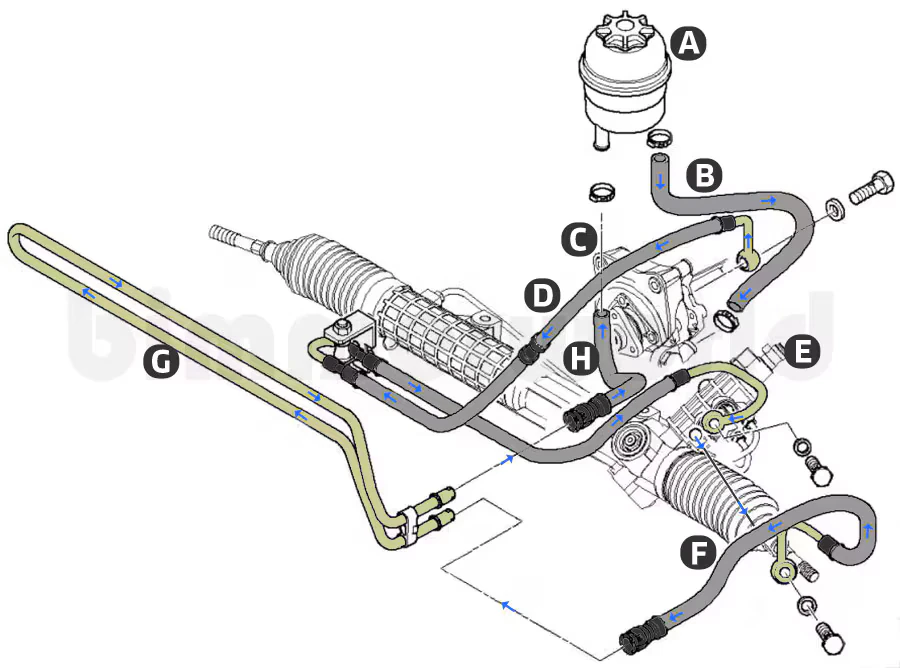
Power steering systems use hydraulic pressure to assist steering. The fluid moves through hoses and pumps to create this pressure.
The pump pushes fluid to a cylinder that helps move the wheels. This reduces the force a driver needs to turn the wheel.
- The pump creates pressure in the fluid
- Fluid flows to a steering gear or cylinder
- The pressure helps move the wheels easily
- The fluid lubricates moving parts to avoid wear
Types Of Power Steering Fluid
There are different types of power steering fluids. Each type matches specific car models and steering systems.
Choosing the correct fluid keeps the steering system working well and avoids damage.
- Mineral-based fluids: Common in older vehicles
- Synthetic fluids: Offer better performance and heat resistance
- Automatic Transmission Fluid (ATF): Used in some power steering systems
- DOT fluid: Less common, used in some special systems
Signs Of Fluid Problems
Power steering fluid helps your steering system work smoothly. It moves pressure to help turn the wheels easily.
If the fluid is low or dirty, the steering may feel strange. Knowing the signs helps you fix problems early.
Common Symptoms Of Low Fluid
Low power steering fluid can cause several noticeable symptoms. These signs warn you that your fluid needs attention.
- Steering feels heavy or hard to turn
- Whining or groaning noises when turning the wheel
- Slow response in steering movement
- Visible fluid leaks under the car
- Power steering warning light may turn on
Checking the fluid level regularly helps avoid these issues. Fixing leaks and refilling fluid keeps steering safe.
Effects On Steering Performance
When power steering fluid is low or bad, steering control worsens. This can cause unsafe driving conditions.
The steering may feel stiff or jerky. You might need more effort to turn the wheel, especially at low speeds.
- Increased effort needed to steer
- Delayed steering response
- Unusual noises during turns
- Potential damage to the power steering pump
Maintaining proper fluid levels helps keep steering smooth and safe. Regular fluid checks prevent costly repairs.
Fluid Maintenance Tips
Power steering fluid helps your car’s steering work smoothly. Keeping the fluid in good condition is important. Regular checks and timely changes protect your steering system.
This guide explains how to check fluid levels and when to replace the fluid. Follow these tips to avoid steering problems and costly repairs.
Checking Fluid Levels
Check the power steering fluid level often. Low fluid can cause hard steering or noise. Use the dipstick or reservoir markings to see the level.
- Park your car on a flat surface.
- Turn off the engine and wait for it to cool.
- Open the hood and find the power steering reservoir.
- Remove the dipstick or cap and wipe it clean.
- Reinsert it fully and then remove it again to check the level.
- Make sure the fluid is between the minimum and maximum marks.
- If low, add the recommended fluid type slowly.
When To Replace Fluid
Power steering fluid wears out over time. It collects dirt and loses its ability to lubricate. Changing it at the right time keeps the system healthy.
| Condition | Action |
| Fluid is dark or cloudy | Replace fluid immediately |
| Steering feels stiff or noisy | Check and replace fluid if needed |
| Manufacturer’s recommended interval reached | Change fluid as per schedule |
| Leaking fluid under the car | Inspect and fix leaks, then replace fluid |

Credit: oceansidemotorsports.com
Choosing The Right Fluid
Power steering fluid helps your steering system work smoothly and safely. Choosing the right fluid keeps the system healthy and avoids damage.
Not all power steering fluids are the same. Use the right type to match your vehicle’s needs and ensure good performance.
Manufacturer Recommendations
Always check your vehicle’s manual for the recommended power steering fluid. Using the wrong type can cause leaks or failure.
- Look for the fluid type specified by the car maker.
- Use fluids with the correct specifications and approvals.
- Do not mix different brands or types without advice.
- Replace the fluid at intervals suggested by the manufacturer.
Synthetic Vs. Conventional Fluids
Synthetic and conventional fluids serve the same purpose but differ in composition and performance. Choose the right one based on your needs.
| Type | Benefits | Considerations |
| Synthetic | Lasts longer, better temperature stability, protects parts | Usually costs more, may not be needed for older cars |
| Conventional | Lower cost, widely available | Needs more frequent changes, less stable at high temps |
Credit: www.bimmerworld.com
Frequently Asked Questions
What Is The Main Role Of Power Steering Fluid?
Power steering fluid helps make steering smooth by transferring force in the steering system.
How Does Power Steering Fluid Improve Vehicle Control?
It reduces effort needed to turn the wheel, making driving easier and safer.
What Happens If Power Steering Fluid Runs Low?
Steering may become stiff, noisy, or harder to control, risking safety on the road.
How Often Should Power Steering Fluid Be Checked Or Changed?
Check fluid every 12,000 miles; change it every 50,000 miles or as the car manual advises.
Can Dirty Power Steering Fluid Damage The Steering System?
Yes, dirty fluid can cause wear and reduce the system’s efficiency and lifespan.
Conclusion
Power steering fluid keeps your steering smooth and easy. It moves pressure through the steering system. Without it, steering would feel heavy and hard. Regular checks help avoid leaks and damage. Clean fluid also protects parts from wear. Proper fluid levels improve your car’s safety.
Understanding how this fluid works helps you care for your vehicle. Keep an eye on it to steer with confidence. Simple steps can save you costly repairs later. Power steering fluid is small but important.


