

How Electric Power Steering Works: Unlocking Smooth Driving Control
Last Updated on August 17, 2026
Have you ever wondered what makes steering your car feel so smooth and effortless? The secret lies in a technology called Electric Power Steering (EPS).
Understanding how EPS works can give you a new appreciation for your vehicle’s handling and safety. You’ll discover the simple yet clever way electric power steering helps you control your car with ease, no matter the road conditions. Keep reading to learn how this system puts you in command and makes every turn feel just right.
Basics Of Electric Power Steering
Electric power steering helps drivers turn the steering wheel easily. It uses an electric motor to assist the driver.
This system replaces traditional hydraulic power steering. It is more efficient and uses less energy.
How Electric Power Steering Works
Electric power steering uses sensors to detect the driver’s steering effort. The system sends signals to an electric motor.
The motor then helps turn the wheels. The harder the driver turns, the more help the motor gives.
Main Components Of Electric Power Steering
The system has several key parts that work together. Each part plays an important role in steering assistance.
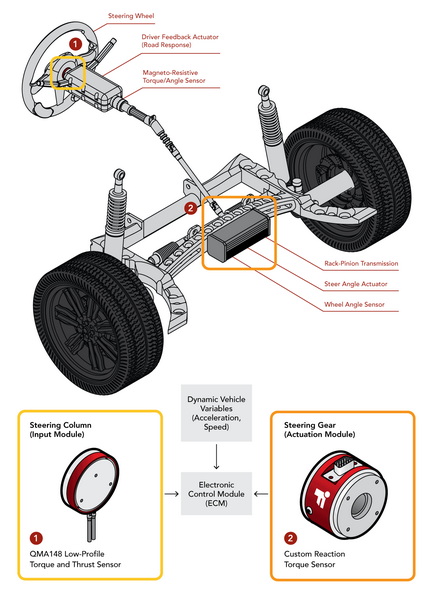
- Steering wheel sensor: detects how much the wheel turns
- Electric motor: provides the steering assist
- Control unit: processes sensor data and controls the motor
- Steering column or rack: connects the motor to the wheels
This system uses less energy than hydraulic steering. It also improves fuel efficiency by reducing engine load.
Electric power steering can adjust the assist level based on speed. It gives more help at low speeds and less at high speeds.
- Energy efficient
- Improves fuel economy
- Variable steering assist
- Less maintenance required

Credit: www.youtube.com
Key Components In Eps Systems
Electric Power Steering (EPS) systems help drivers steer with less effort. They use electric motors and sensors instead of hydraulic parts.
EPS systems have several important parts. Each part works together to make steering smooth and easy.
Electric Motor
The electric motor provides the extra force to help turn the wheels. It uses power from the car’s battery to assist the driver.
Torque Sensor
The torque sensor measures how hard the driver is turning the steering wheel. It sends this information to the control unit to adjust assistance.
Control Unit
The control unit is like the brain of the EPS system. It processes signals from the torque sensor and other sensors to control the motor’s power.
Steering Column
The steering column connects the steering wheel to the EPS system. It carries the driver’s steering input to the EPS components.
Power Supply
The power supply delivers electricity to the EPS system. It usually comes from the car’s battery and alternator.
- Electric Motor: provides steering assist
- Torque Sensor: measures steering effort
- Control Unit: controls motor power
- Steering Column: transfers driver input
- Power Supply: powers the system
Eps Vs Hydraulic Power Steering
Electric Power Steering (EPS) and Hydraulic Power Steering are two common systems. They help drivers turn the steering wheel with less effort.
This article explains how EPS works and compares it to hydraulic power steering. Understanding both helps you know your car better.
How Electric Power Steering Works
Electric Power Steering uses an electric motor to assist the driver. Sensors detect the steering wheel movement and send signals to the motor.
The motor applies force to the steering system, making it easier to turn the wheels. This system uses less energy and adjusts assistance based on speed.
- Steering angle sensors detect driver input
- Electric motor provides steering assistance
- Control unit adjusts motor power based on conditions
- Works only when needed, saving energy
How Hydraulic Power Steering Works
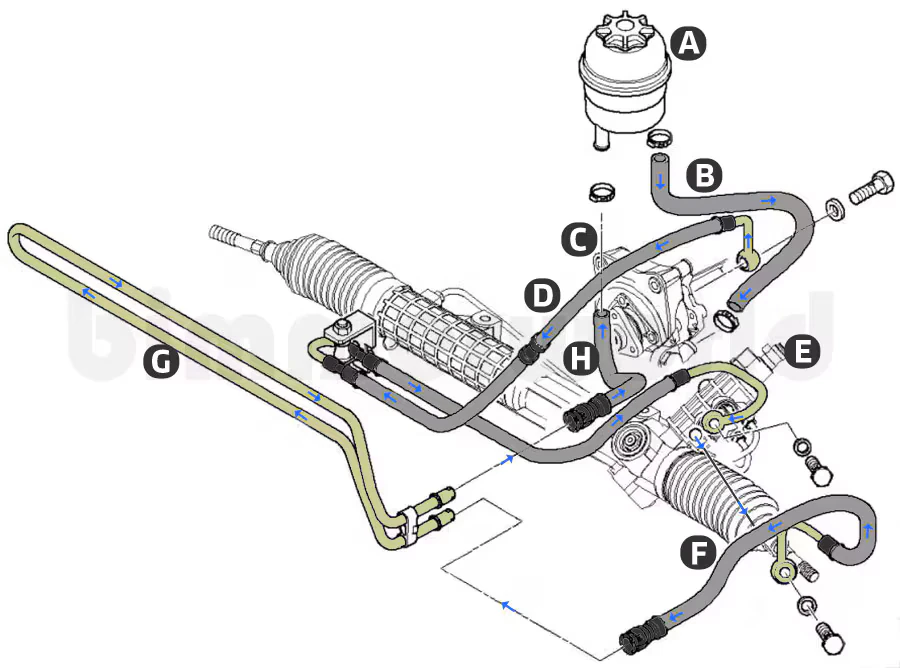
Hydraulic Power Steering uses fluid pressure to help turn the wheels. A pump driven by the engine moves the fluid through hoses.
The fluid pressure pushes on a piston inside the steering gear. This force helps the driver turn the steering wheel with less effort.
- Engine-driven pump moves hydraulic fluid
- Fluid pressure assists steering gear piston
- Continuous fluid flow uses engine power
- Assistance is constant, regardless of speed
Differences Between Eps And Hydraulic Power Steering
EPS uses electricity, while hydraulic steering uses fluid pressure. Each system has its own advantages and disadvantages.
| Feature | Electric Power Steering (EPS) | Hydraulic Power Steering |
|---|---|---|
| Energy Use | Uses less energy, only when needed | Uses engine power continuously |
| Maintenance | Requires less maintenance | Needs fluid checks and hose replacement |
| Steering Feel | Can adjust assistance based on speed | Assistance is steady, less adaptable |
| Complexity | More electronic parts | More mechanical parts |
| Fuel Efficiency | Improves fuel efficiency | Reduces fuel efficiency |
Credit: www.fibossensor.com
Benefits Of Electric Power Steering
Electric power steering (EPS) helps drivers steer more easily. It uses an electric motor to assist the steering system. This technology offers many advantages over traditional systems.
EPS improves driving comfort and vehicle control. It also helps save energy and reduce emissions. Below are some key benefits of electric power steering.
Improved Fuel Efficiency
Electric power steering uses less energy than hydraulic systems. It only consumes power when steering assistance is needed. This reduces the load on the engine and saves fuel.
Enhanced Steering Feel
EPS provides better steering feedback and precision. The electric motor adjusts the assistance based on driving speed. This helps drivers feel more in control of the vehicle.
Lower Maintenance Costs
Electric power steering systems have fewer moving parts. They do not use hydraulic fluids or pumps. This reduces the chance of leaks and mechanical failures.
- No need for hydraulic fluid changes
- Less wear on components
- Longer system life
- Lower repair expenses
Better Safety Features
EPS can work with other vehicle systems to improve safety. It helps with stability control and lane keeping. The system can adjust steering quickly in emergencies.
| Safety Feature | Benefit |
| Stability Control | Prevents skidding by adjusting steering |
| Lane Keeping Assist | Keeps vehicle in lane automatically |
| Collision Avoidance | Helps steer away from obstacles |
Credit: www.bimmerworld.com
Frequently Asked Questions
What Is Electric Power Steering?
Electric Power Steering uses an electric motor to help turn the steering wheel.
How Does Electric Power Steering Save Fuel?
It uses electricity only when steering assistance is needed, reducing engine load.
What Are The Benefits Of Electric Power Steering?
It improves fuel efficiency, offers better control, and requires less maintenance.
How Does Electric Power Steering Differ From Hydraulic Steering?
It uses electric motors instead of hydraulic fluid and pumps for steering help.
Can Electric Power Steering Fail, And How To Fix It?
Yes, failures can happen; usually, a mechanic checks the motor and wiring.
Conclusion
Electric power steering helps drivers steer with less effort. It uses an electric motor to assist the steering system. This makes driving smoother and more comfortable. The system also saves energy compared to older types. Many modern cars use this technology today.
Understanding how it works helps you appreciate its benefits. It plays a key role in safe and easy driving. Electric power steering continues to improve with new technology. Simple, efficient, and reliable—this system supports better control on the road.


