How Brake Calipers Function: Unlocking Vehicle Safety Secrets
Last Updated on August 17, 2026
Have you ever wondered what makes your car stop safely every time you press the brake pedal? The answer lies in a small but powerful part called the brake caliper.
Understanding how brake calipers function can help you keep your vehicle safe and avoid costly repairs. You’ll discover the simple mechanics behind brake calipers and why they’re essential for your car’s braking system. Keep reading to learn how this crucial component works to protect you on the road.
Brake Caliper Components
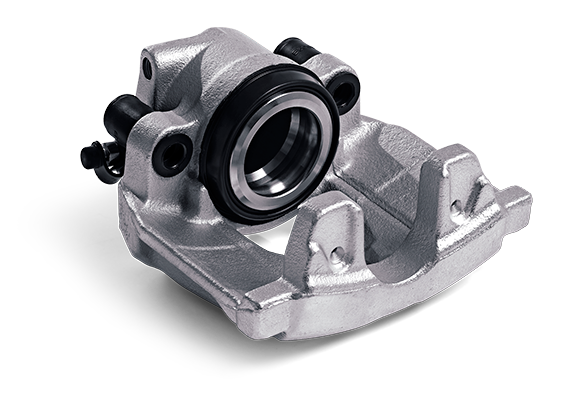
Brake calipers are key parts of a car’s braking system. They hold the brake pads and push them against the brake rotor to stop the vehicle. Understanding the main parts helps explain how calipers work.
This section covers the main components: pistons and seals, brake pads, and housing and mounting. Each part has a special role in making sure your brakes work safely and well.
Pistons And Seals
Pistons push the brake pads against the rotors. They move when brake fluid pressure rises. Seals keep the brake fluid inside and stop dirt from getting in. They also help the pistons return to their resting place.
- Pistons are usually made of metal or ceramic.
- Seals are made of rubber or synthetic material.
- Seals prevent brake fluid leaks.
- Both parts must resist heat and pressure.
Brake Pads
Brake pads press against the rotor to slow down the wheels. They have a friction surface that wears down over time. New pads are needed to keep brakes working well. Pads come in different materials for different needs.
| Pad Material | Characteristics | Common Use |
| Organic | Quiet, soft | Everyday driving |
| Semi-metallic | Durable, noisy | Performance cars |
| Ceramic | Long lasting, quiet | Luxury vehicles |
Housing And Mounting
The housing holds all parts in place. It keeps pistons and pads aligned with the rotor. Mounting points attach the caliper to the car’s suspension or frame. Proper mounting is important for safe brake function.
- Support brake pads and pistons
- Withstand high heat and pressure
- Allow smooth caliper movement
- Secure caliper to vehicle frame
Credit: borgautomotive-reman.com
Caliper Operation Process
Brake calipers are key parts of a car’s braking system. They help slow the car down by pressing brake pads against the wheels.
The caliper works by using pressure and movement to create friction. This friction stops the wheel from spinning.
Hydraulic Pressure Role
The brake system uses hydraulic fluid to move the caliper. When you press the brake pedal, it pushes fluid through tubes.
This pressure forces the caliper pistons to move. The pistons then push the brake pads towards the wheel rotor.
Pad Movement And Contact
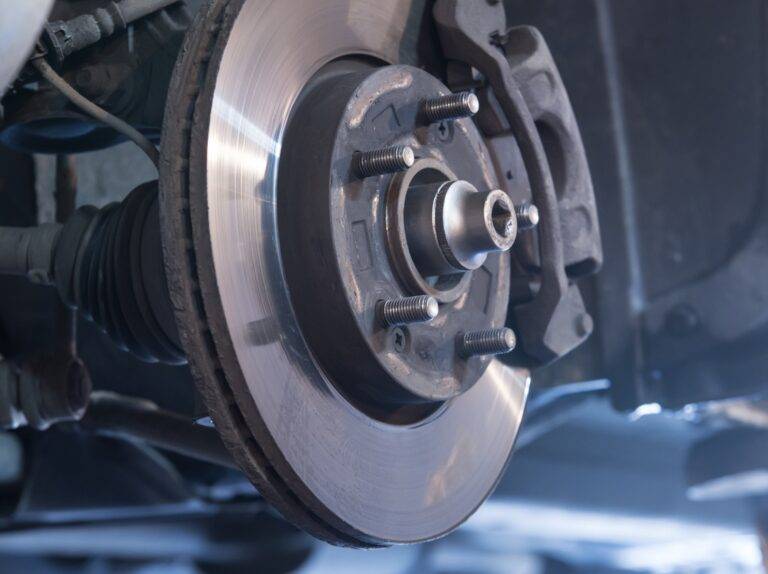
The caliper holds brake pads on both sides of the rotor. When the pistons move, they press the pads against the rotor.
This contact creates friction that slows down or stops the wheel. The pads must touch evenly for good braking.
- Pistons push pads to rotor
- Pads clamp rotor tightly
- Friction slows the wheel
- Pads release when brake is off
Heat Dissipation
Braking makes a lot of heat because of friction. The caliper and rotor help cool this heat down.
Good heat dissipation stops parts from overheating. It keeps brakes working well and lasting longer.
- Friction creates heat
- Caliper absorbs some heat
- Rotor helps spread heat away
- Air cools the parts during driving
Types Of Brake Calipers
Brake calipers are a key part of a vehicle’s braking system. They help slow down or stop the wheels by pressing brake pads against the rotors.
There are different types of brake calipers. Each type works in a unique way and offers specific benefits.
Floating Calipers
Floating calipers, also called sliding calipers, move in and out. They have one or two pistons on one side.
When you press the brake, the pistons push the inner brake pad. The caliper slides, pulling the outer pad to the rotor.
Fixed Calipers
Fixed calipers do not move. They have pistons on both sides of the rotor. This allows even pressure on both brake pads.
Fixed calipers are usually stronger and provide better braking, but they cost more and weigh more than floating calipers.
Performance Variations
| Type | Advantages | Disadvantages |
|---|---|---|
| Floating Calipers | Lightweight, cost-effective | Less even pressure, can wear pads unevenly |
| Fixed Calipers | Better braking, even pad wear | Heavier, more expensive |
| High-Performance Versions | More pistons, better heat dissipation | Higher cost, complex design |

Credit: www.carparts.com
Maintenance And Safety Tips
Brake calipers are a key part of your vehicle’s braking system. They press the brake pads against the rotors to stop the car safely.
Proper care helps keep your brakes working well and keeps you safe on the road.
Signs Of Wear
Brake calipers can wear out or get damaged over time. Watch for these signs to know when to check them.
- Uneven brake pad wear
- Pulling to one side when braking
- Spongy or soft brake pedal
- Leaking brake fluid near wheels
- Strange noises like grinding or squealing
Replacement Guidelines
Replacing brake calipers on time prevents brake failure and costly repairs. Check your vehicle’s manual for recommended intervals.
| Condition | Action |
| Leaking brake fluid | Replace caliper immediately |
| Sticking caliper causing uneven pad wear | Replace or rebuild caliper |
| Corroded or damaged caliper body | Replace caliper |
| Caliper piston not moving smoothly | Service or replace caliper |
Preventive Care
Regular care can extend caliper life and improve brake performance. Follow these tips for preventive maintenance.
- Check brake fluid levels monthly
- Inspect brake pads and calipers every 10,000 miles
- Keep brake parts clean from dirt and rust
- Use recommended brake fluid types
- Have brakes serviced by a professional if you notice issues
Credit: ktg-auto.com
Frequently Asked Questions
What Is The Main Role Of Brake Calipers In A Vehicle?
Brake calipers press brake pads against the rotor to slow or stop the vehicle.
How Do Brake Calipers Work With Brake Pads?
Calipers squeeze the pads onto the rotor, creating friction that slows the wheels.
Why Do Brake Calipers Sometimes Cause Noise When Braking?
Worn or dirty calipers can cause squeaking or grinding noises during braking.
How Can You Tell If Brake Calipers Are Failing?
Signs include uneven braking, pulling to one side, or a soft brake pedal.
What Materials Are Brake Calipers Usually Made Of?
Brake calipers are commonly made from cast iron or lightweight aluminum alloys.
Conclusion
Brake calipers play a key role in stopping your vehicle safely. They press brake pads against the rotors to slow down wheels. Understanding how they work helps you spot issues early. Regular checks keep your brakes strong and reliable. Keep an eye on brake performance for your safety.
Simple care can prevent costly repairs later. Knowing brake caliper function gives confidence on the road. Stay safe by maintaining your brake system well.