

Difference Between Vacuum And Hydraulic Brake Assist: Key Insights
Last Updated on August 17, 2026
Have you ever wondered what makes your car’s brakes feel so responsive when you press the pedal hard? Understanding the difference between vacuum and hydraulic brake assist can help you appreciate how your vehicle keeps you safe.
Whether you’re curious about how these systems work or want to know which one suits your driving style better, this article will clear things up. By the end, you’ll have a simple, clear grasp of these two brake assist types—and feel more confident about your car’s braking power.
Keep reading to discover what sets them apart and why it matters to you.
Basic Concepts Of Brake Assist
Brake assist helps drivers stop their vehicles faster in emergencies. It detects quick pressure on the brake pedal and adds extra force.
This system works with the vehicle’s braking system to reduce stopping distance and improve safety on the road.
Vacuum Brake Assist
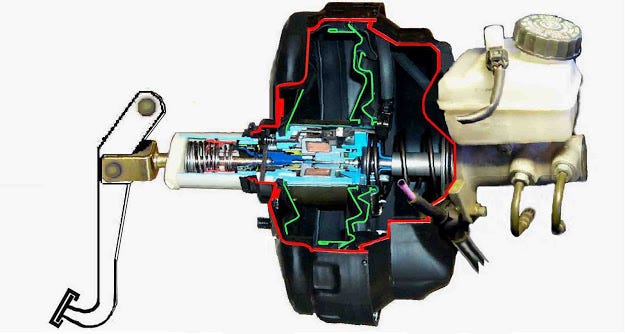
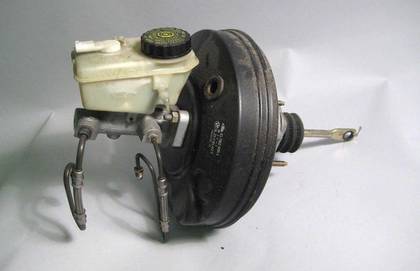
Vacuum brake assist uses engine vacuum to increase braking power. A vacuum booster sits between the brake pedal and master cylinder.
When the driver presses the pedal fast, the vacuum booster multiplies the force. This makes braking easier and quicker.
Hydraulic Brake Assist
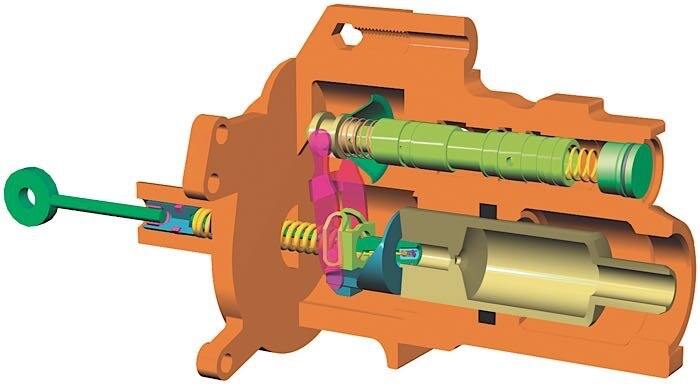
Hydraulic brake assist uses the vehicle’s hydraulic system to support braking. It senses fast pedal pressure and adds hydraulic pressure.
This system is common in cars with brake-by-wire or electric power brakes. It works independently of engine vacuum.
Key Differences Between Vacuum And Hydraulic Brake Assist
| Feature | Vacuum Brake Assist | Hydraulic Brake Assist |
|---|---|---|
| Power Source | Engine vacuum | Hydraulic pressure |
| Common Use | Traditional gasoline engines | Electric and hybrid vehicles |
| Operation | Boosts pedal force using vacuum | Boosts pedal force using hydraulic fluid |
| Dependence | Requires engine vacuum | Independent of engine vacuum |
Credit: carengineered.medium.com
How Vacuum Brake Assist Works
Vacuum brake assist helps drivers stop their cars more easily. It uses engine vacuum to increase braking power.
This system reduces the effort needed on the brake pedal. It makes braking safer and smoother.
What Is Vacuum Brake Assist?
Vacuum brake assist is a device in many cars. It uses air pressure differences to help push the brake pedal.
The system is connected to the engine’s vacuum. When you press the brake, it uses this vacuum to add force.
How It Uses Engine Vacuum
The engine creates a vacuum inside its intake manifold. This vacuum is a low-pressure area that helps pull air in.
The brake assist uses this vacuum to create a pressure difference. This difference helps push the brake booster piston.
- When you press the brake pedal, a valve opens
- Vacuum pulls on one side of the booster chamber
- Atmospheric pressure pushes on the other side
- This pressure difference helps push the master cylinder
How Vacuum Brake Assist Helps The Driver
The system makes it easier to press the brake pedal. Drivers do not need to use much force to stop the car.
This helps in emergency stops and reduces driver fatigue. The brake assist gives extra power to slow the vehicle quickly.
Limitations Of Vacuum Brake Assist
Vacuum brake assist depends on engine vacuum. If the engine runs out of vacuum, assist power drops.
This can happen in large engines or with turbochargers. In such cases, hydraulic brake assist may work better.
How Hydraulic Brake Assist Works
Hydraulic brake assist helps drivers stop their cars faster in emergencies. It increases the brake force without extra effort from the driver.
This system works by using the car’s hydraulic brake system to add pressure when it senses quick or strong brake pedal action.
Detecting Emergency Braking
The system senses how fast and hard the driver presses the brake pedal. If it detects sudden pressure, it activates brake assist.
Boosting Brake Pressure
Once activated, the hydraulic brake assist increases the pressure in the brake lines. This extra pressure helps the brakes work better and stop the car faster.
- Sensors monitor pedal speed and force
- System engages when emergency braking is detected
- Hydraulic pressure increases automatically
- Driver gets more brake force with less effort
Working With Other Brake Systems
Hydraulic brake assist works alongside the regular brake system and ABS. It makes sure the car stops safely and quickly.
| Component | Role in Brake Assist |
| Brake Pedal Sensor | Detects pedal speed and force |
| Hydraulic Pump | Boosts brake pressure |
| Control Unit | Decides when to activate assist |
| Brake Lines | Deliver increased pressure to brakes |
Credit: www.cardekho.com
Comparing Performance And Applications
Brake assist systems help drivers stop vehicles quickly and safely. Two common types are vacuum brake assist and hydraulic brake assist. Both improve braking but work differently.
This article compares their performance and where each is used. Understanding the differences helps in choosing the right system for vehicles.
Vacuum brake assist uses engine vacuum to increase brake force. It helps drivers apply more pressure with less effort. The system uses a vacuum booster connected to the engine.
This type is common in gasoline cars. It works best when the engine creates enough vacuum. Its performance depends on engine speed and condition.
Hydraulic brake assist uses hydraulic pressure from the brake system. It adds extra force when the driver presses the brake pedal. The system uses a pump powered by the engine or an electric motor.
This type suits vehicles with weak or no engine vacuum, like diesel cars or hybrids. It provides consistent braking power regardless of engine conditions.
Performance Comparison
| Feature | Vacuum Brake Assist | Hydraulic Brake Assist |
| Power Source | Engine vacuum | Hydraulic pressure (pump) |
| Effectiveness at Low Engine Speed | Less effective | Consistent |
| System Complexity | Simple | More complex |
| Maintenance | Lower cost | Higher cost |
| Common Vehicle Types | Gasoline cars | Diesel, hybrid, electric cars |
Applications Of Each Brake Assist
- Vacuum brake assist fits well in gasoline engines.
- Hydraulic brake assist works for diesel and hybrid vehicles.
- Vacuum systems are simpler and cheaper to maintain.
- Hydraulic systems offer steady braking power in all conditions.
- Choice depends on vehicle type and engine characteristics.
Credit: www.brakeandfrontend.com
Frequently Asked Questions
What Is Vacuum Brake Assist And How Does It Work?
Vacuum brake assist uses engine vacuum to increase braking force, making it easier to stop the vehicle.
How Does Hydraulic Brake Assist Differ From Vacuum Assist?
Hydraulic brake assist uses fluid pressure from the power steering system to boost braking power.
Which Brake Assist Type Is Better For Heavy Vehicles?
Hydraulic brake assist suits heavy vehicles better due to stronger and more consistent braking support.
Can Vacuum Brake Assist Fail In Certain Engine Conditions?
Yes, vacuum brake assist may weaken if the engine vacuum drops, affecting braking power.
Does Hydraulic Brake Assist Require More Maintenance Than Vacuum Assist?
Hydraulic brake assist may need more checks due to fluid leaks, but both need regular inspection.
Conclusion
Vacuum and hydraulic brake assist both help drivers stop quickly. Vacuum brake assist uses engine vacuum to boost brake force. Hydraulic brake assist relies on the car’s brake fluid pressure. Each system works differently but improves safety on the road.
Knowing their differences helps you understand car brakes better. Both systems aim to reduce the effort needed to brake. Choosing the right system depends on the vehicle design. Safe braking matters most, no matter the assist type. Simple and effective—both assist systems protect drivers well.


