Difference Between Radial And Bias Ply Tires: Key Facts Revealed
Last Updated on August 17, 2026
Are you confused about which tire type is best for your vehicle? Understanding the difference between radial and bias ply tires can save you money, improve your ride, and even keep you safer on the road.
You might think all tires are the same, but the way they are built changes everything—from how they handle corners to how long they last. Keep reading, and you’ll discover exactly what sets these two tire types apart, so you can make a smart choice that fits your needs perfectly.
Tire Construction Basics
Tires are made with layers of fabric and rubber. These layers give strength and shape to the tire.
Two main types of tire construction are radial and bias ply. Each type uses different ways to arrange the layers.
Radial Tire Design
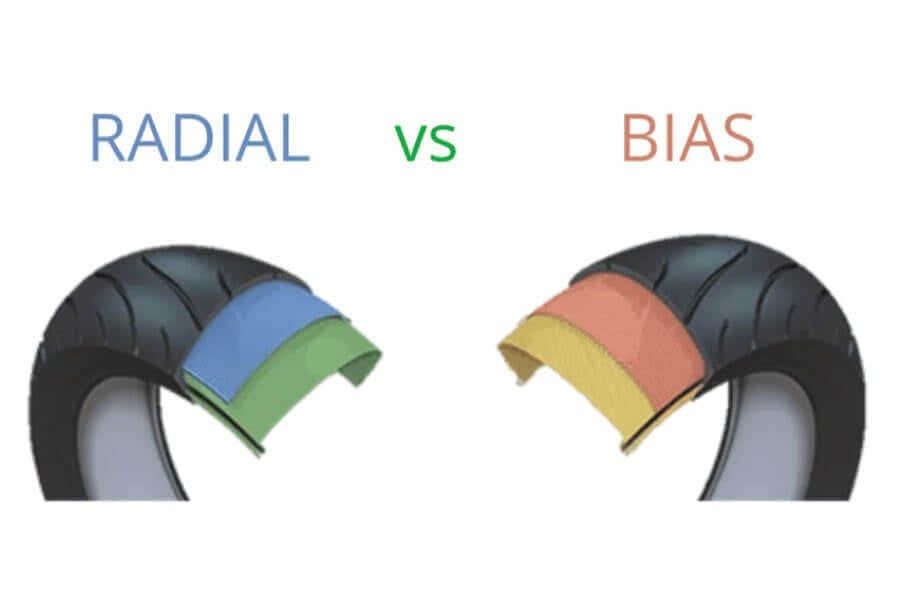
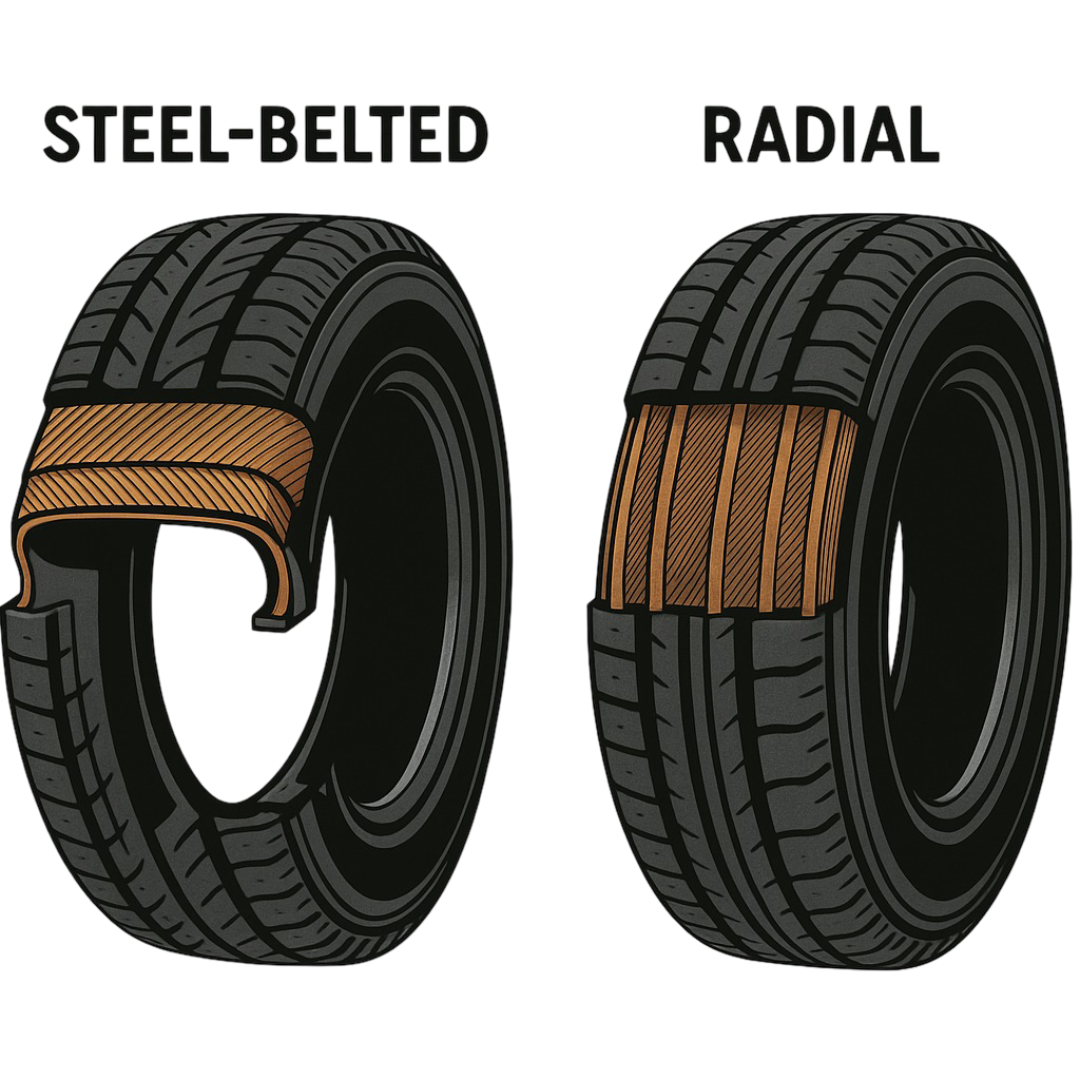
Radial tires have fabric cords that run straight across from one side to the other. These cords lie at 90 degrees to the tire’s direction of travel.
The sidewalls and the tread work separately in radial tires. This design helps the tire stay flexible and last longer.
- Cords run radially, from bead to bead
- Sidewalls are flexible
- Tread is stiff for better grip
- Provides smoother rides and better fuel efficiency
Bias Ply Tire Design
Bias ply tires have fabric cords that cross each other at an angle. The cords run diagonally from one side to the other.
The sidewalls and tread work as one unit in bias ply tires. This makes the tire strong but less flexible than radial tires.
- Cords run diagonally, crossing each other
- Sidewalls and tread act together
- Provides strong sidewalls
- Good for rough surfaces and heavy loads
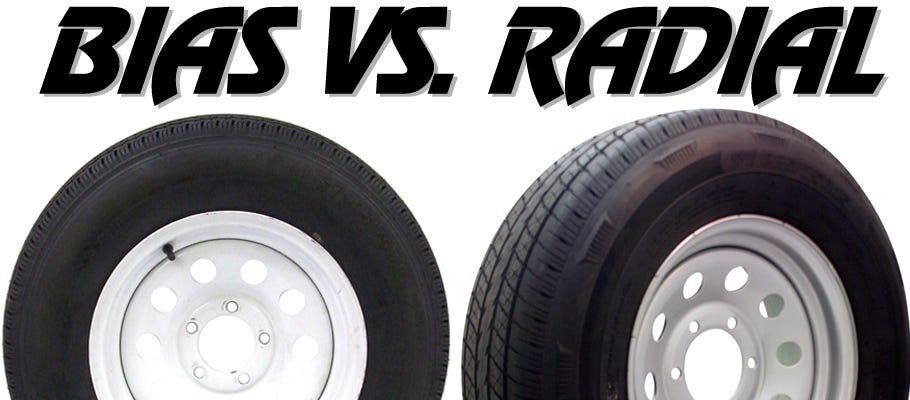
Credit: medium.com
Performance And Handling
Tires affect how a vehicle drives and handles on the road. Radial and bias ply tires perform differently in key areas. Understanding these differences helps in choosing the right tire for your needs.
We will look at two important factors: traction and stability, and ride comfort. These affect safety and driving experience.
Traction And Stability
Radial tires have cords that run at 90 degrees to the direction of travel. This design helps the tire maintain good contact with the road. Bias ply tires have layers of cords that cross at angles. This makes their sidewalls stiffer.
| Aspect | Radial Tires | Bias Ply Tires |
| Road Contact | Better contact due to flexible sidewalls | Less contact, stiffer sidewalls |
| Traction | Improved traction on wet and dry surfaces | Good traction but less consistent |
| Stability | Higher stability at high speeds | Stable at low speeds, less at high speeds |
Ride Comfort
Ride comfort depends on how the tire absorbs shocks and vibrations. Radial tires flex more and absorb bumps better. Bias ply tires have stiffer sidewalls, so they offer a firmer ride.
- Radial tires reduce road noise and vibration.
- Bias ply tires can feel rougher on uneven roads.
- Radial tires last longer due to better heat dissipation.
- Bias ply tires wear faster under heavy loads.
Durability And Wear
Tires wear out over time due to road conditions and driving habits. The type of tire affects how long it lasts and how well it handles damage.
Radial and bias ply tires have different designs. This difference changes their durability and wear patterns.
Tire Lifespan
Radial tires usually last longer than bias ply tires. Their design reduces heat build-up, which helps prevent early wear.
Bias ply tires wear faster because their layers are crisscrossed. This makes them less flexible and causes more stress on the tire.
- Radial tires have stronger sidewalls and tread
- Bias ply tires are stiffer and wear unevenly
- Radial tires handle heat better, extending life
- Bias ply tires may need replacement sooner
Resistance To Damage
Bias ply tires resist sidewall damage better because of their thick, layered structure. They can absorb impacts from rough roads more easily.
Radial tires are more prone to sidewall cuts but resist tread damage well. Their flexible design allows better road contact and less wear on the tread.
- Bias ply tires offer strong sidewall protection
- Radial tires excel in tread durability
- Bias ply tires handle rough terrain better
- Radial tires are best for smooth roads and highways
Credit: www.blackcircles.ca
Applications And Cost
Radial and bias ply tires have different uses and prices. Knowing these helps pick the right tire.
Each tire type works better for certain vehicles and budgets. Let’s explore their common uses and costs.
Common Uses
Radial tires are common for cars and trucks. They give a smooth ride and good fuel efficiency.
Bias ply tires are strong and tough. They suit heavy trucks, trailers, and off-road vehicles.
- Radial tires: passenger cars, SUVs, light trucks
- Bias ply tires: heavy-duty trucks, trailers, farm vehicles
- Bias ply tires handle rough roads and heavy loads better
- Radial tires provide better grip and comfort on paved roads
Price Differences
Radial tires usually cost more than bias ply tires. They have newer technology and better materials.
Bias ply tires are cheaper but may wear out faster. They need more frequent replacement.
- Radial tires: higher initial cost, longer life span
- Bias ply tires: lower price, shorter tire life
- Radial tires save money on fuel due to better efficiency
- Bias ply tires cost less upfront but may increase maintenance costs
Credit: www.offroadrimfinancing.com
Frequently Asked Questions
What Are Radial Tires And Bias Ply Tires?
Radial tires have layers running across the tire, while bias ply tires have crisscrossed layers.
How Do Radial Tires Affect Vehicle Performance?
Radial tires offer better fuel efficiency and smoother rides than bias ply tires.
Why Choose Bias Ply Tires Over Radial Tires?
Bias ply tires are stronger on rough terrains and handle heavy loads well.
Are Radial Tires More Durable Than Bias Ply Tires?
Radial tires last longer on paved roads but may wear faster off-road.
Can I Replace Bias Ply Tires With Radial Tires?
Yes, but check your vehicle’s specifications for proper fit and performance.
Conclusion
Radial and bias ply tires serve different needs and uses. Radial tires offer better fuel efficiency and smoother rides. Bias ply tires handle rough roads and heavy loads well. Choosing the right tire depends on your vehicle and driving style.
Understanding these differences helps you pick wisely. A good tire keeps you safe and saves money. Remember, knowing your tires improves your driving experience.