

Difference Between Front-Wheel And Rear-Wheel Drive: Key Insights
Last Updated on August 17, 2026
Have you ever wondered why some cars pull you forward while others seem to push you from behind? Understanding the difference between front-wheel drive and rear-wheel drive can change the way you choose your next vehicle.
Whether you’re looking for better control, improved fuel efficiency, or just curious about how your car works, knowing these key differences will help you make smarter decisions. Keep reading, and you’ll discover which drive system suits your driving style and needs best.
Credit: www.gervaisauto.com
Front-wheel Drive Basics
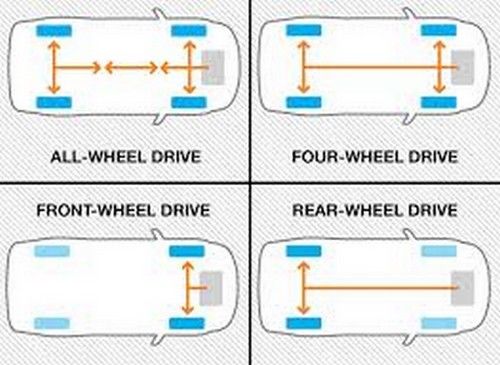
Front-wheel drive (FWD) means the engine powers the front wheels of a car. Many cars use this system because it is simple and efficient.
This type of drive affects how a car handles and performs on the road. Understanding FWD helps you know its benefits and limits.
How Front-wheel Drive Works
In front-wheel drive cars, the engine sends power to the front wheels only. These wheels pull the car forward.
The engine, transmission, and drive axles are all connected in the front part of the car. This setup makes the car lighter and easier to build.
Advantages Of Front-wheel Drive
Front-wheel drive cars have several benefits. They use space well and often give better traction in bad weather.
- Better fuel efficiency because the system is lighter
- Improved traction on wet or snowy roads
- More interior space since no driveshaft runs to the rear
- Easier to control for new drivers
Common Front-wheel Drive Vehicles
Many popular cars use front-wheel drive. This layout is common in compact and midsize cars.
- Honda Civic
- Toyota Corolla
- Ford Focus
- Volkswagen Golf
- Hyundai Elantra
Credit: www.herbchambers.com
Rear-wheel Drive Essentials
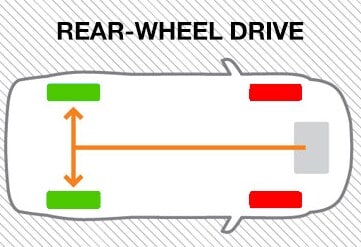
Rear-wheel drive (RWD) cars send power to the back wheels only. This setup changes how a car moves and handles. Many drivers like RWD for its performance and balance.
Understanding rear-wheel drive helps when choosing a car. It also explains why some cars feel different on the road.
Mechanics Of Rear-wheel Drive
In rear-wheel drive cars, the engine power goes to the rear wheels. The front wheels handle steering only. This design separates the tasks of driving and steering.
- The engine connects to a driveshaft.
- The driveshaft sends power to the rear axle.
- The rear axle turns the rear wheels.
- The front wheels control direction.
Benefits Of Rear-wheel Drive
Rear-wheel drive offers several driving advantages. It often gives better balance and control, especially at higher speeds. RWD cars usually have a more even weight distribution.
| Benefit | Explanation |
| Better Handling | Power to rear wheels improves cornering. |
| Improved Balance | Weight spreads evenly front to back. |
| Stronger Acceleration | Rear wheels push car forward under load. |
| Durability | Less stress on front wheels and steering parts. |
Typical Rear-wheel Drive Cars
Many sports cars and trucks use rear-wheel drive. It suits vehicles needing power and good handling. Some popular models have RWD as a base setup.
- Muscle cars like the Ford Mustang
- Sports cars like the BMW M3
- Pickup trucks like the Chevrolet Silverado
- Luxury sedans like the Mercedes-Benz E-Class
Performance And Handling
Front-wheel drive and rear-wheel drive vehicles perform differently on the road. Their handling and traction vary, affecting driving style and safety. Understanding these differences helps drivers choose the right car for their needs.
This article focuses on traction differences, driving experience, and weather impact for these two drive types.
Traction Differences
Front-wheel drive cars pull the vehicle with the front wheels. Rear-wheel drive cars push the vehicle with the back wheels. This changes how much grip each car has on the road.
- Front-wheel drive gives better traction on slippery roads because the engine weight is over the driven wheels.
- Rear-wheel drive can lose traction more easily on wet or icy roads because the driven wheels have less weight above them.
- Rear-wheel drive often provides better balance during acceleration on dry roads.
Driving Experience
| Aspect | Front-Wheel Drive | Rear-Wheel Drive |
|---|---|---|
| Steering | Easier and more stable at low speeds | Sharper and more responsive at high speeds |
| Handling | Understeer in corners (car turns less than expected) | Oversteer in corners (car turns more than expected) |
| Acceleration | Less wheel spin on takeoff | Better power delivery and balance |
Weather Impact
Weather affects front-wheel and rear-wheel drive cars differently. Drivers must know how each type performs in rain, snow, and ice.
Front-Wheel Drive in Weather:Performs better in rain and snow because the front wheels pull and have more weight.
Rear-Wheel Drive in Weather:Can be harder to control on slippery surfaces due to less weight on drive wheels.
Tips for Rear-Wheel Drive Drivers:
- Use winter tires for better grip.
- Drive slower in bad weather.
- Avoid sudden acceleration or braking.

Credit: www.velospinner.com
Cost And Maintenance
The choice between front-wheel drive and rear-wheel drive affects car costs and upkeep. Understanding these differences helps you plan your budget.
This article covers fuel efficiency, repair and upkeep, and long-term durability for both types of drivetrains.
Fuel Efficiency
Front-wheel drive cars usually use less fuel. They are lighter and have fewer moving parts. Rear-wheel drive cars often weigh more and use more fuel.
Repair And Upkeep
Front-wheel drive cars have simpler designs. This can lower repair costs. Rear-wheel drive cars have more parts to fix.
- Front-wheel drive repairs usually cost less.
- Rear-wheel drive cars need more frequent maintenance on the drivetrain.
- Brake and tire wear differ between the two types.
- Specialized repairs for rear-wheel drive may be pricier.
Long-term Durability
Durability varies with use and maintenance. Front-wheel drive parts may wear faster in rough conditions. Rear-wheel drive parts often last longer with good care.
| Aspect | Front-Wheel Drive | Rear-Wheel Drive |
| Fuel Efficiency | Better due to lighter weight | Lower, heavier drivetrain |
| Repair Cost | Lower, simpler parts | Higher, more complex parts |
| Maintenance Frequency | Moderate | Higher for drivetrain |
| Durability | Good with proper care | Often longer-lasting |
Frequently Asked Questions
What Is The Main Difference Between Front-wheel And Rear-wheel Drive?
Front-wheel drive powers the front wheels, while rear-wheel drive powers the back wheels.
Which Drive Type Is Better For Snowy Or Slippery Roads?
Front-wheel drive offers better traction on slippery surfaces like snow or rain.
How Does Rear-wheel Drive Affect Car Handling And Performance?
Rear-wheel drive improves balance and handling, especially in sports or performance cars.
Are Front-wheel Drive Cars More Fuel-efficient Than Rear-wheel Drive?
Yes, front-wheel drive cars usually use less fuel due to lighter drivetrain parts.
Which Drive System Is Easier And Cheaper To Maintain?
Front-wheel drive systems are generally simpler and cheaper to maintain than rear-wheel drive.
Conclusion
Choosing between front-wheel and rear-wheel drive affects how a car feels and performs. Front-wheel drive offers better traction in rain or snow. Rear-wheel drive often gives a sportier, more balanced ride. Each type has its pros and cons. Think about your needs and driving style before deciding.
This will help you pick the right car for you. Understanding these differences makes driving safer and more fun.


