Last Updated on November 25, 2025 by Aaron Blake
When it comes to keeping your car’s brakes working smoothly, the type of brake fluid you use matters a lot. You might have heard about DOT3 and DOT4 brake fluids, but what exactly sets them apart?
Choosing the right brake fluid can make a big difference in your car’s safety and performance. You’ll discover the key differences between DOT3 and DOT4, helping you make the best choice for your vehicle. Keep reading to ensure your brakes stay reliable and your drives stay safe.

Credit: shieldoils.com
Contents
Chemical Composition
Brake fluids are essential for safe vehicle braking. Dot3 and Dot4 are two common types. Their chemical makeup affects performance and safety.
Understanding the chemical differences helps in choosing the right fluid for your brake system.
Base Chemicals In Dot3 Brake Fluid
Dot3 brake fluid mainly uses glycol ethers as its base. These chemicals absorb water and keep the fluid stable under heat.
The glycol ethers in Dot3 make it suitable for most everyday vehicles but limit its boiling point.
Base Chemicals In Dot4 Brake Fluid
Dot4 fluid contains glycol ethers like Dot3 but also adds borate esters. These improve heat resistance and fluid stability.
Borate esters raise the boiling point, making Dot4 better for high-performance and heavy-duty brake systems.
Comparison Of Chemical Properties
| Chemical Component | Dot3 Brake Fluid | Dot4 Brake Fluid |
| Base Compound | Glycol Ethers | Glycol Ethers + Borate Esters |
| Water Absorption | High | Moderate |
| Dry Boiling Point | 205°C (401°F) | 230°C (446°F) |
| Wet Boiling Point | 140°C (284°F) | 155°C (311°F) |
| Corrosion Inhibitors | Standard | Enhanced |
Additives And Stability
Both fluids include additives to prevent corrosion and improve performance. Dot4 uses stronger inhibitors for longer life.
- Dot3 additives focus on basic corrosion resistance.
- Dot4 additives enhance thermal stability and reduce wear.
- Dot4 fluids resist moisture better, reducing fluid degradation.
Boiling Point Differences
Brake fluids are essential for vehicle safety. Dot3 and Dot4 are common types. Their boiling points affect performance under heat.
Knowing the boiling point differences helps choose the right fluid for your car. This ensures brakes work well in tough conditions.
Boiling Point Basics
Boiling point is the temperature at which brake fluid turns to vapor. Vapor can cause brake failure because it compresses easily.
Brake fluids must have high boiling points to avoid this risk. Dot3 and Dot4 fluids differ mainly by their boiling points.
Dry Boiling Point
The dry boiling point means the fluid is new and free from water. Dot4 fluids generally have a higher dry boiling point than Dot3.
- Dot3 dry boiling point: around 205°C (401°F)
- Dot4 dry boiling point: around 230°C (446°F)
Wet Boiling Point
Wet boiling point is measured after the fluid absorbs some water. This happens over time due to humidity.
Dot4 fluids keep a higher wet boiling point than Dot3, which means better safety in used fluid.
| Brake Fluid Type | Dry Boiling Point | Wet Boiling Point |
|---|---|---|
| Dot3 | 205°C (401°F) | 140°C (284°F) |
| Dot4 | 230°C (446°F) | 155°C (311°F) |
Why Boiling Point Matters
Higher boiling points mean better brake performance. Fluid stays liquid even under heavy braking heat.
- Dot4 is better for hot climates or sporty driving
- Dot3 suits regular driving in cooler conditions
- Always check your vehicle’s recommended brake fluid
Performance In Brake Systems
Brake fluid plays a key role in how brakes work. The right fluid keeps the brake system responsive and safe.
Dot3 and Dot4 are common types of brake fluids. They differ in how they perform under heat and pressure.
Heat Resistance
Dot4 brake fluid has a higher boiling point than Dot3. This means Dot4 can handle higher temperatures without boiling.
Boiling brake fluid causes vapor, which makes the brakes feel soft or fail. Dot4 reduces this risk better than Dot3.
Water Absorption And Safety
Both Dot3 and Dot4 absorb water from the air. Water lowers the boiling point and harms brake performance.
Dot4 absorbs water more slowly than Dot3. This keeps the brake system safer for a longer time.
- Dot3 absorbs water faster, needing more frequent changes
- Dot4 offers longer-lasting protection
- Regular fluid checks improve safety
Viscosity And Cold Weather Performance
Viscosity shows how thick the brake fluid is at different temperatures. Lower viscosity means better flow.
Dot4 has better viscosity in cold weather than Dot3. It flows easier, helping brakes respond quickly in winter.
| Property | Dot3 | Dot4 |
| Dry Boiling Point | 205°C (401°F) | 230°C (446°F) |
| Wet Boiling Point | 140°C (284°F) | 155°C (311°F) |
| Water Absorption Rate | Higher | Lower |
| Viscosity at -40°C | Higher (thicker) | Lower (thinner) |
Compatibility And Usage
Dot3 and Dot4 fluids can mix, but mixing lowers performance. Use the type recommended by your vehicle maker.
Dot4 is common in newer cars for better heat and cold performance. Dot3 suits older or basic brake systems.
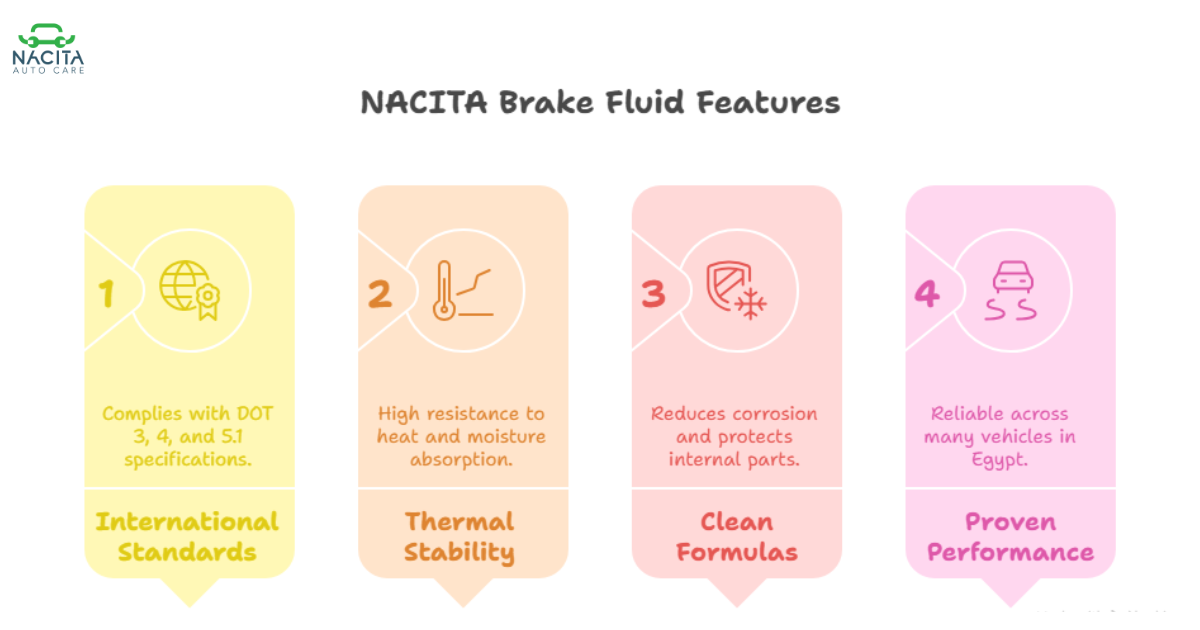
Credit: nacitaautocare.com
Compatibility And Safety Tips
Brake fluids are important for car safety. Dot3 and Dot4 are common types of brake fluids. They have differences in compatibility and safety.
Knowing how to use these fluids correctly keeps your brakes working well. It also helps prevent damage to your car.
Compatibility Of Dot3 And Dot4 Brake Fluids
Dot3 and Dot4 brake fluids can work together in some cases. Both are glycol-based fluids. This means they mix without problems.
Dot4 fluid has a higher boiling point than Dot3. This makes Dot4 better for high-temperature braking. Some cars need Dot4 for safety.
- Dot3 is good for normal driving conditions
- Dot4 works better in sporty or heavy vehicles
- Mixing is possible but replace with the higher grade
- Always check your car manual before changing fluids
Safety Tips When Using Brake Fluids
Brake fluid is toxic and can harm your skin and eyes. Use gloves and glasses when handling it. Avoid spills on painted surfaces.
Always store brake fluid in a sealed container. Keep it away from moisture. Water in brake fluid lowers its boiling point and causes brake failure.
- Use the correct fluid type for your vehicle
- Never mix brake fluid with other liquids except Dot3 and Dot4
- Replace brake fluid every 1-2 years or as advised
- Dispose of old brake fluid safely at a recycling center

Credit: www.youtube.com
Frequently Asked Questions
What Is The Main Difference Between Dot3 And Dot4 Brake Fluids?
DOT4 has a higher boiling point than DOT3, making it better for high temperatures.
Can Dot3 And Dot4 Brake Fluids Be Mixed Safely?
Yes, DOT3 and DOT4 can be mixed, but it may lower performance.
Which Brake Fluid Is Better For Everyday Driving?
DOT3 is usually fine for regular driving and lower temperature conditions.
Why Does Dot4 Brake Fluid Cost More Than Dot3?
DOT4 has better heat resistance and performance, causing a slightly higher price.
How Often Should Dot3 And Dot4 Brake Fluids Be Changed?
Brake fluid should be changed every 1 to 2 years to keep brakes working well.
Conclusion
Choosing the right brake fluid keeps your vehicle safe and working well. Dot3 and Dot4 fluids have different boiling points and uses. Dot4 handles heat better but costs a bit more. Dot3 is fine for everyday driving and older cars.
Always check your car’s manual before changing fluids. Use the correct type to avoid brake problems. Regular fluid checks help keep brakes strong and responsive. Simple steps protect you and your passengers on the road. Understanding these fluids helps you care for your vehicle better.