What Is Power Steering: Unlocking Smooth and Effortless Driving
Last Updated on August 17, 2026
Have you ever wondered how your car feels so easy to turn, even when parking or making sharp corners? That’s the magic of power steering working quietly behind the scenes.
Understanding what power steering is can help you appreciate how your vehicle handles and why it’s safer and more comfortable to drive. You’ll discover exactly what power steering does, how it works, and why it matters to you every time you get behind the wheel.
Keep reading—you’ll see your driving experience in a whole new light.
How Power Steering Works
Power steering helps drivers turn the steering wheel easily. It reduces the effort needed to control the car.
This system uses extra force to assist the driver. It makes driving safer and more comfortable.
Hydraulic Power Steering Basics
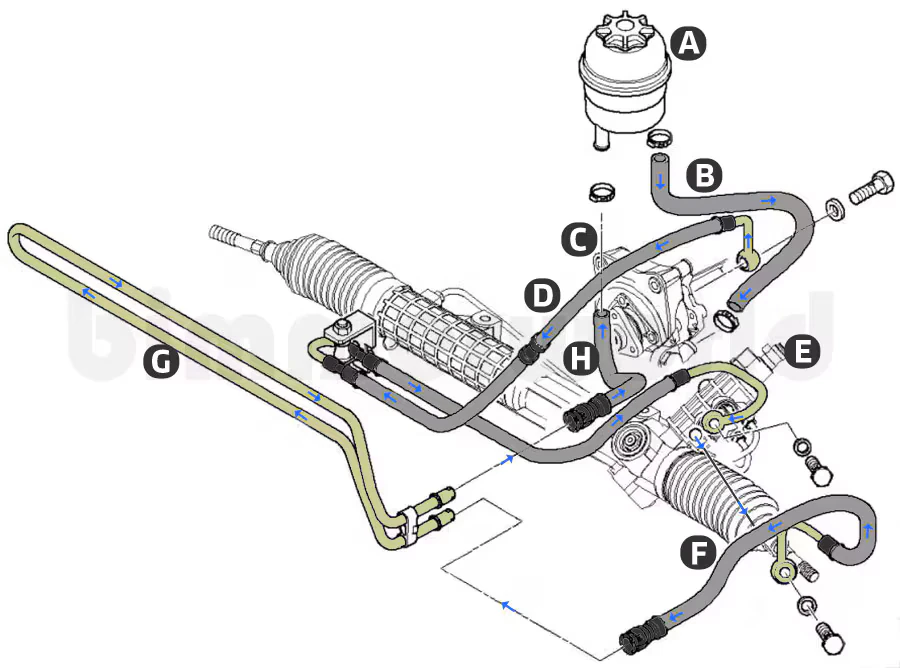
Hydraulic power steering uses fluid to help turn the wheels. A pump pushes fluid through hoses to a piston.
The piston moves to help turn the steering gear. This makes it easier to steer the vehicle.
- The pump runs with the engine
- Fluid pressure moves the piston
- Steering feels lighter at low speeds
Electric Power Steering Systems
Electric power steering uses an electric motor instead of fluid. Sensors detect how much help the driver needs.
The motor adds force to the steering column. This system uses less energy and is easier to control.
- Sensors measure steering effort
- Electric motor assists the driver
- Improves fuel efficiency
- Works well at all speeds
Benefits Of Modern Power Steering
Modern power steering systems make driving simple and safe. They adjust help based on speed and road conditions.
These systems reduce fuel use and need less maintenance. They also improve handling and driver control.
- Easier to steer at slow speeds
- Stable control at high speeds
- Lower fuel consumption
- Less wear on steering parts
Credit: www.bimmerworld.com
Types Of Power Steering
Power steering helps drivers turn the wheel with less effort. It uses systems that boost steering force. There are different types of power steering systems. Each has its own way to assist the driver.
Understanding these systems can help you know how your car handles. It also helps in choosing the best option for your needs.
Hydraulic Vs Electric Systems
Hydraulic power steering uses fluid pressure to help steer. A pump pushes the fluid through hoses to the steering gear. This system feels smooth and strong but uses more engine power.
Electric power steering uses an electric motor to assist the wheel. It does not need fluid or pumps. This system saves fuel and works better for modern cars. It also adjusts help based on speed and conditions.
| Type | How It Works | Pros | Cons |
| Hydraulic | Fluid pressure from pump | Smooth feel, strong assist | Uses engine power, needs fluid |
| Electric | Electric motor assist | Fuel efficient, low maintenance | Less natural feel for some drivers |
Electro-hydraulic Power Steering
Electro-hydraulic steering combines both systems. It uses an electric motor to drive the hydraulic pump. This saves fuel compared to traditional hydraulic systems. It also gives good steering feel and power.
- Uses less engine power than hydraulic
- Provides strong and smooth steering
- More complex and can be costly to repair
- Common in some older hybrid cars
Choosing The Right System
Choosing a power steering system depends on your needs and car type. Electric systems suit smaller cars and save fuel. Hydraulic systems work well for heavy vehicles needing strong assist.
- Consider fuel efficiency and maintenance costs
- Think about the driving feel you prefer
- Check if your vehicle supports the system type
- Look at long-term repair and part availability
Common Power Steering Issues
Power steering helps drivers turn the wheel easily. It uses a pump and fluid to assist steering. Problems with power steering can make driving hard.
Understanding common issues can help you spot trouble early. Fixing problems quickly keeps your steering safe and smooth.
Signs Of Power Steering Failure
Watch for these signs to know if your power steering is failing. Early detection prevents bigger damage and costly repairs.
- Hard or stiff steering wheel
- Whining or groaning noises when turning
- Steering wheel feels jerky or uneven
- Power steering fluid leaks under the car
- Warning light on the dashboard
Causes Of Steering Problems
Many issues can cause power steering problems. Some come from worn parts or low fluid. Others result from damage or poor maintenance.
| Cause | Description |
| Low Fluid Level | Leaking or low power steering fluid makes steering hard. |
| Worn Pump | The pump may fail and stop pushing fluid correctly. |
| Damaged Hoses | Hoses can crack and leak fluid, reducing system pressure. |
| Steering Rack Issues | Wear or damage to the rack causes rough steering feel. |
| Belts Problems | Loose or broken belts stop the pump from working. |
Maintenance Tips For Longevity
Good care helps power steering last longer. Regular checks and simple steps keep it working well.
- Check power steering fluid level monthly
- Use the recommended fluid type
- Inspect hoses and belts for wear
- Fix leaks immediately
- Have a mechanic check the system yearly

Credit: m.youtube.com
Future Of Power Steering
Power steering helps drivers turn the wheel with less effort. It makes driving smoother and safer. The future of power steering looks very different from today’s systems.
New technology will change how power steering works. It will link with smart cars and improve driving comfort. This section explores what lies ahead for power steering.
Advancements In Steering Technology
Steering systems are becoming more precise and energy efficient. Electric power steering is replacing hydraulic systems. Sensors and computers now adjust steering automatically.
- Steer-by-wire systems remove the physical connection to wheels
- Adaptive steering changes response based on speed and road conditions
- Lightweight materials reduce the system weight
- Energy-saving motors lower fuel consumption
Integration With Autonomous Vehicles
Self-driving cars need power steering that can be controlled by computers. This allows for precise and quick steering without a human driver. Power steering systems will work with cameras and radars.
| Feature | Benefit |
| Computer Control | Accurate steering without human input |
| Sensor Feedback | Adjusts steering for road and traffic conditions |
| Remote Updates | Improves performance over time without hardware changes |
| Fail-Safe Mechanisms | Ensures safety if system errors occur |
Impact On Driving Experience
Future power steering will make driving easier and more enjoyable. It will reduce effort and improve safety. Drivers will feel more connected to the road with less strain.
- Steering will adjust automatically to driving style
- Less steering effort will reduce fatigue on long drives
- Improved feedback will increase driver confidence
- Integration with safety systems will help avoid accidents

Credit: www.autotrainingcentre.com
Frequently Asked Questions
What Is Power Steering In A Car?
Power steering helps drivers turn the steering wheel easily using hydraulic or electric systems.
How Does Power Steering Improve Driving?
It reduces effort needed to steer, making driving safer and more comfortable.
What Are The Types Of Power Steering Systems?
Common types include hydraulic, electric, and electro-hydraulic power steering systems.
Why Does Power Steering Fluid Need Checking?
Fluid keeps the system working smoothly and prevents damage to steering parts.
What Happens If Power Steering Fails While Driving?
Steering becomes hard, requiring more force to turn the wheel, which can be risky.
Conclusion
Power steering helps drivers turn the wheel with less effort. It makes driving safer and more comfortable. Most modern cars have power steering systems. Knowing how it works can help you maintain your vehicle better. Simple parts work together to boost your control.
This technology supports smooth and easy steering every time. Understanding power steering keeps you informed about your car’s needs. It’s a key feature for everyday driving ease.