

What Is A Timing Belt In A Car: Essential Guide to Function & Care
Last Updated on August 17, 2026
Have you ever wondered what keeps your car’s engine running smoothly and on time? That’s where the timing belt comes in.
This small but mighty part plays a crucial role in making sure your engine’s valves open and close exactly when they should. If your timing belt fails, it can lead to serious engine damage – something you definitely want to avoid.
Keep reading to discover what a timing belt is, why it matters for your car, and how to know when it needs attention. Understanding this can save you money and keep your vehicle running safely.
Role Of A Timing Belt
A timing belt is a key part inside a car’s engine. It keeps engine parts moving together at the right time.
This belt helps the engine work smoothly and avoid damage. Without it, the engine can stop working well.
How It Connects Engine Components
The timing belt links the crankshaft to the camshaft. This connection controls the engine valves and pistons.
It makes sure the valves open and close at the right time for fuel and air to enter and exit the engine.
- Crankshaft moves the pistons up and down
- Camshaft opens and closes the valves
- Timing belt keeps them synchronized
Impact On Engine Performance
A good timing belt helps the engine run smoothly and use fuel well. It stops the engine from misfiring.
If the belt breaks or slips, the engine can lose power or get damaged. This can cause costly repairs.
- Ensures smooth engine operation
- Improves fuel efficiency
- Prevents engine damage
- Maintains proper engine timing
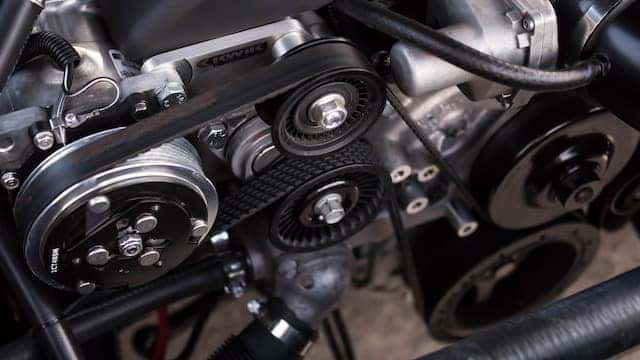
Credit: www.cochranchevroletyoungstown.com
Signs Of Timing Belt Wear
The timing belt in a car keeps the engine’s valves and pistons working together. It is a key part of the engine. Over time, the belt can wear out and cause problems.
Knowing the signs of timing belt wear can help you avoid engine damage. Look for these common symptoms and risks to keep your car running well.
Common Symptoms
When a timing belt starts to wear, your car may show some warning signs. These signs help you detect problems early.
- Engine misfires or runs rough
- Ticking or clicking noise from the engine
- Difficulty starting the car
- Oil leaks near the timing belt cover
- Engine stalls suddenly
Risks Of A Broken Belt
A broken timing belt can cause serious damage to the engine. It can stop the engine from running and lead to costly repairs.
| Risk | Description |
| Engine Valve Damage | Valves may hit pistons, bending or breaking them. |
| Engine Failure | The car may stop running suddenly on the road. |
| Costly Repairs | Fixing damage from a broken belt can be expensive. |
| Stranded Vehicle | You might need a tow if the engine stops working. |
Timing Belt Replacement
The timing belt is a key part of a car’s engine. It controls the timing of engine valves and pistons.
Replacing the timing belt on time keeps the engine running well and stops costly damage.
Recommended Intervals
Most car makers suggest changing the timing belt between 60,000 and 100,000 miles. This depends on the car model and driving habits.
| Car Brand | Recommended Interval (miles) | Recommended Interval (years) |
| Honda | 60,000 | 5 |
| Toyota | 90,000 | 6 |
| Ford | 100,000 | 7 |
| Volkswagen | 80,000 | 5 |
| BMW | 70,000 | 4 |
Replacement Process
Replacing a timing belt takes care and skill. It usually needs a mechanic.
- Remove engine covers and accessories to reach the timing belt.
- Align the timing marks on the camshaft and crankshaft.
- Loosen the tensioner and remove the old belt.
- Install the new belt, making sure it fits tightly.
- Adjust the tensioner to the right tightness.
- Rotate the engine manually to check timing marks.
- Reinstall all removed parts and test the engine.

Credit: stevesautomotivespecialists.com
Maintenance Tips For Longevity
The timing belt is an important part of a car engine. It controls when the engine’s valves open and close. Keeping the timing belt in good shape helps your car run smoothly.
Regular maintenance can stop the timing belt from breaking. A broken belt can cause serious engine damage. Use these tips to check and care for your timing belt.
Inspection Tips
Look at the timing belt often to find signs of wear. Check for cracks, fraying, or missing teeth on the belt. These signs show the belt may break soon.
Listen for noises like squealing or ticking from the engine. These sounds may mean the belt is loose or damaged. Inspect the belt every 30,000 to 60,000 miles.
- Check belt for cracks or splits
- Look for worn or missing teeth
- Feel if the belt is loose or too tight
- Listen for unusual engine sounds
- Inspect every 30,000 to 60,000 miles
Preventive Measures
Replace the timing belt at the recommended mileage. Usually, this is every 60,000 to 100,000 miles depending on the car. Use the right belt type for your engine.
Keep the engine clean and dry. Oil leaks can damage the timing belt. Fix leaks quickly to protect the belt. Avoid driving if you hear belt noise or see damage.
- Replace belt at recommended mileage
- Use correct belt type for your car
- Fix oil leaks to prevent belt damage
- Keep engine clean and dry
- Stop driving if belt noise appears

Credit: royaltonautoservice.com
Frequently Asked Questions
What Does A Timing Belt Do In A Car Engine?
A timing belt keeps the engine’s valves and pistons moving in sync.
How Often Should A Car’s Timing Belt Be Replaced?
Most timing belts need replacement every 60,000 to 100,000 miles.
What Are Signs Of A Failing Timing Belt?
Look for engine misfires, ticking noises, or difficulty starting the car.
Can A Broken Timing Belt Damage The Engine?
Yes, a broken belt can cause serious engine damage and costly repairs.
Is A Timing Belt Different From A Serpentine Belt?
Yes, timing belts control engine timing, while serpentine belts drive accessories.
Conclusion
A timing belt keeps the engine’s parts working together. It controls the movement of valves and pistons. Without it, the engine cannot run properly. Regular checks and timely replacement help avoid engine damage. Knowing its role helps you care for your car better.
A healthy timing belt means a smoother, safer drive. Keep an eye on it to protect your engine’s life. Simple steps can save costly repairs later on. Understanding this small part makes a big difference.


