Last Updated on November 25, 2025 by Aaron Blake
Have you ever felt your car lean too much when taking a sharp turn? That wobble and sway you notice might be thanks to a small but powerful part called the sway bar.
Understanding what a sway bar is and how it works can change the way you think about your vehicle’s handling and safety. You’ll discover exactly what a sway bar does, why it matters for your ride, and how it keeps you steady on the road.
Keep reading—this simple piece could make a big difference in your driving experience.
Contents
Role Of A Sway Bar
A sway bar is a metal rod in a vehicle’s suspension system. It helps reduce body roll when the car turns.
This part improves the vehicle’s stability and keeps the tires on the road during sharp turns or sudden moves.
How It Connects Suspension Components
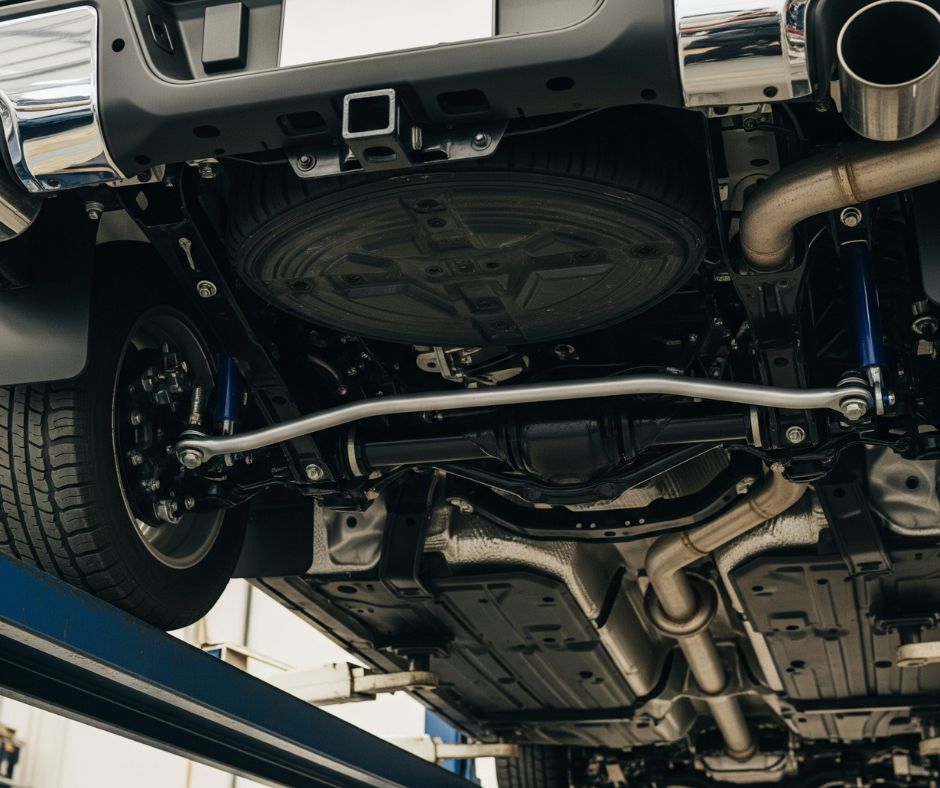
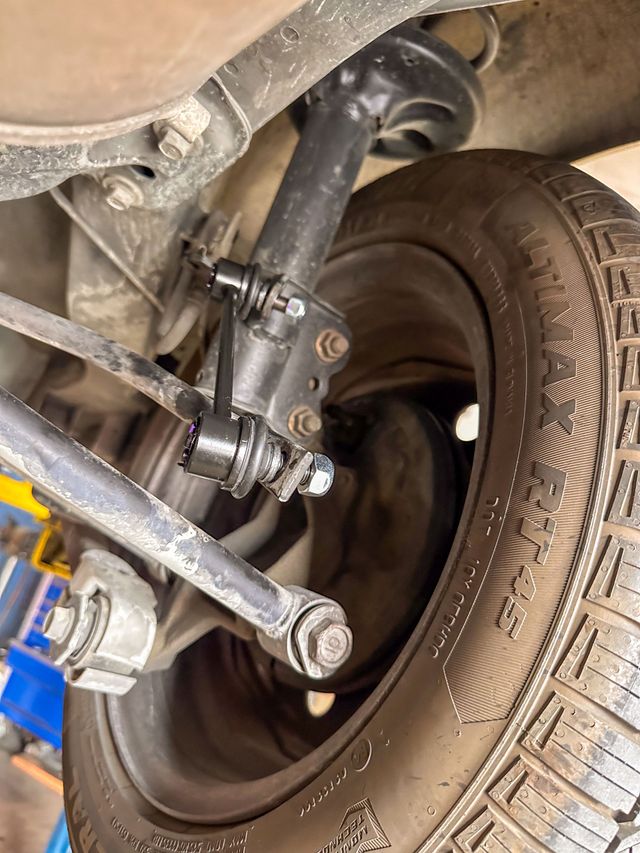
The sway bar links the left and right sides of the suspension. It connects to each side through small arms called end links.
When one side of the suspension moves, the sway bar transfers some of this movement to the other side. This helps keep both sides balanced.
- Sway bar attaches to suspension arms via end links
- Metal bar runs across the vehicle’s width
- Transfers force between left and right suspension
- Helps keep the vehicle level during turns
Impact On Vehicle Handling
The sway bar reduces the car’s body roll during cornering. This makes the vehicle feel more stable and controlled.
It improves traction by keeping the tires in better contact with the road. This helps drivers maintain control in turns and quick maneuvers.
- Limits side-to-side body lean
- Improves grip by balancing weight
- Enhances steering response
- Increases driver confidence and safety
Credit: timbren.com
Types Of Sway Bars
Sway bars help keep your vehicle stable during turns. They connect the left and right wheels.
There are different types of sway bars. Each type changes how your suspension works.
Solid Vs. Hollow Bars
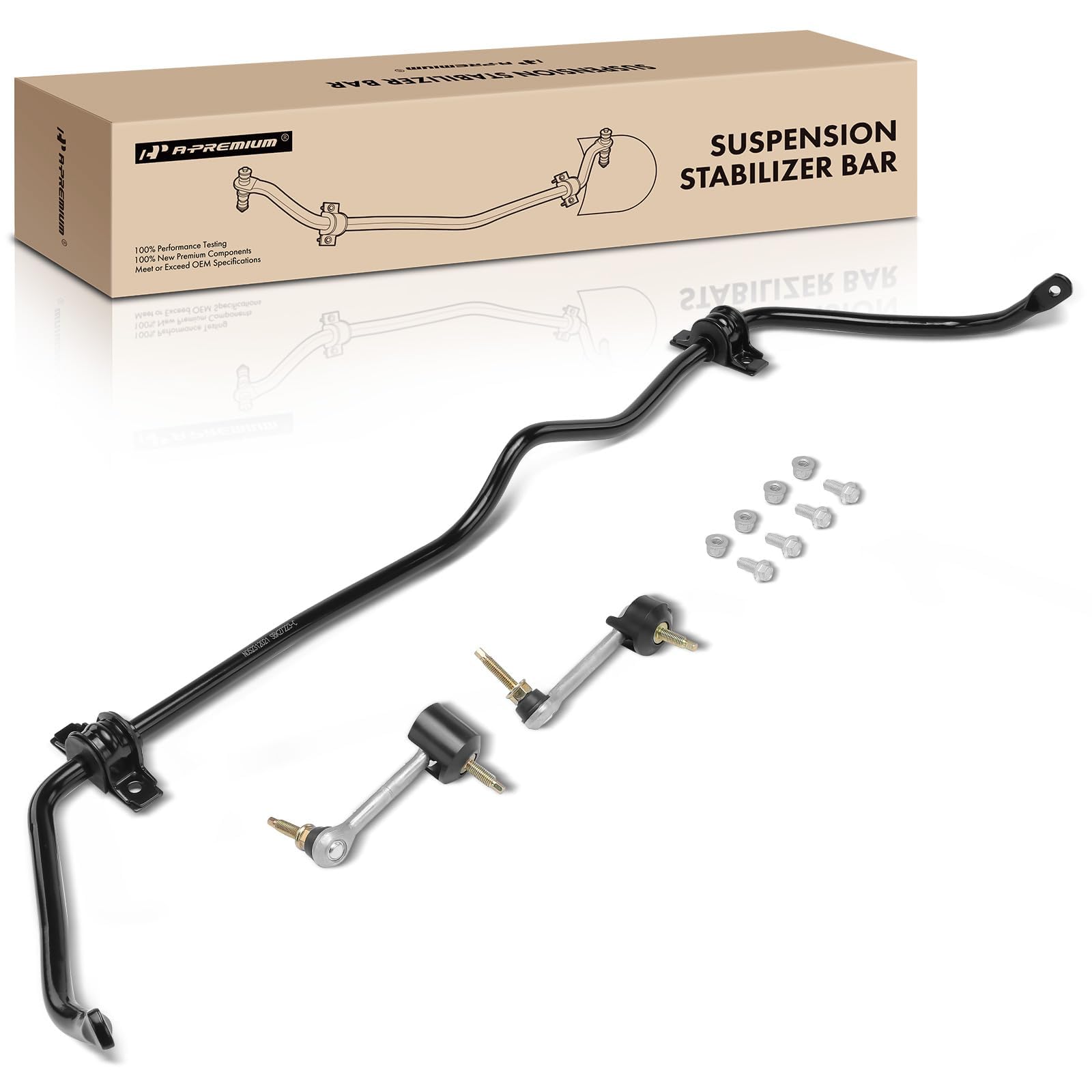
Solid sway bars are made from a solid metal rod. They are strong and stiff.
Hollow sway bars have a tube shape. They are lighter but still strong.
- Solid bars offer more stiffness for better control.
- Hollow bars reduce weight to improve ride comfort.
- Hollow bars can flex slightly more than solid bars.
- Solid bars are usually cheaper to make.
Adjustable Sway Bars
Adjustable sway bars let you change stiffness. You can tune them for different driving needs.
They have multiple mounting points or special links. This allows you to increase or decrease sway bar effect.
- Use softer settings for smooth rides on rough roads.
- Use stiffer settings for better handling on curves.
- Adjustable bars help balance comfort and control.
Signs Of A Worn Sway Bar
A sway bar helps keep your vehicle stable when you turn. It connects the left and right sides of the suspension. When the sway bar wears out, you may notice changes in how your car handles.
Knowing the signs of a worn sway bar can help you fix problems early. This keeps your ride safe and smooth.
Unusual Vehicle Movement
If the sway bar is worn, your vehicle may lean more in turns. You might feel the car sway or roll excessively. This happens because the sway bar is not holding the suspension firmly.
Driving on curves can feel less stable. The car might feel loose or like it is sliding sideways. These movements are signs the sway bar or its links need attention.
Noises And Vibrations
A worn sway bar often causes clunking or rattling noises. These sounds happen when the sway bar links or bushings are loose or broken. You may hear the noise when going over bumps or turning.
Vibrations can also increase in the steering wheel or suspension. These happen because the sway bar is not absorbing shocks well. Check for noises and vibrations as signs of wear.
Credit: www.amazon.com
Upgrading And Maintenance
A sway bar helps keep a vehicle stable during turns. Upgrading it can improve handling and safety. Proper maintenance keeps the sway bar working well for a long time.
Knowing how to pick the right sway bar and care for it is important. This guide covers key points about choosing and installing sway bars.
Choosing The Right Sway Bar
Pick a sway bar that fits your vehicle type and driving needs. Different bars offer different stiffness and durability levels.
- Check the thickness for better control.
- Choose materials like steel for strength.
- Match the sway bar to your vehicle’s make and model.
- Consider adjustable sway bars for flexible handling.
Tips For Installation And Care
Install the sway bar carefully to avoid damage. Regular checks help you spot wear or loose parts early.
| Task | Details |
| Installation | Use proper tools and follow vehicle guide. |
| Lubrication | Grease the bushings to reduce noise and wear. |
| Inspection | Check bolts and links every 6 months. |
| Replacement | Replace worn parts immediately for safety. |
Credit: www.branghamautorepair.com
Frequently Asked Questions
What Is The Main Function Of A Sway Bar In Suspension?
A sway bar reduces body roll during turns, helping the vehicle stay stable and balanced.
How Does A Sway Bar Improve Vehicle Handling?
It connects the wheels and distributes force, keeping the car steady on curves.
Can A Sway Bar Affect Ride Comfort?
Yes, a stiffer sway bar can make the ride feel firmer but improves cornering.
What Happens If A Sway Bar Breaks Or Fails?
The car may lean more in turns, causing less control and unsafe driving.
Is It Easy To Upgrade Or Replace A Sway Bar?
Yes, most sway bars can be replaced or upgraded to improve suspension performance.
Conclusion
A sway bar helps keep your vehicle steady on turns. It reduces body roll and improves safety. You feel more control while driving. This part works quietly but plays a big role. Knowing what a sway bar does can help.
It is a simple piece with an important job. Keep it in good shape for better handling. Understanding this helps you appreciate your vehicle more.