

Signs Of A Failing Driveshaft: Key Warning Signals to Watch For
Last Updated on August 17, 2026
Is your car making strange noises or shaking while you drive? These could be warning signs that your driveshaft is failing.
The driveshaft plays a crucial role in transferring power from your engine to the wheels, so when it starts to go bad, your vehicle’s performance and safety can be at risk. Knowing the signs of a failing driveshaft can help you catch problems early and avoid costly repairs or breakdowns.
Keep reading to discover what to watch for and how to protect your car before it’s too late.

Credit: joesslingerservice.com
Common Driveshaft Issues
Driveshafts transfer power from the engine to the wheels. When they fail, your vehicle can show clear signs. Understanding common problems helps you spot issues early.
This guide covers worn U-joints, damaged CV joints, and imbalanced driveshafts. Each can cause noise, vibration, or loss of power.
Worn U-joints
U-joints allow the driveshaft to flex during movement. Over time, they wear out and cause problems. Symptoms include clunking sounds and vibrations.
- Clunking noise when shifting gears
- Vibration at higher speeds
- Visible rust or movement in the joint
Damaged Cv Joints
CV joints keep power flowing while the wheels turn. They have boots that hold grease. When boots crack, dirt enters and damages the joint.
| Symptom | Cause | Effect |
| Clicking noise during turns | Worn CV joint | Loss of smooth power delivery |
| Grease leak | Cracked boot | Joint contamination and failure |
| Vibration | Damaged joint | Unstable driving experience |
Imbalanced Driveshaft
An imbalanced driveshaft causes shaking and stress on other parts. It happens from damage or wear. Balancing fixes the issue and protects your vehicle.
Signs of imbalance include:
- Strong vibrations at certain speeds
- Worn bearings or seals
- Noise from under the car

Credit: carbuzz.com
Noise Indicators
Driveshaft problems often show up as unusual noises while driving. These noises can warn you of serious issues.
Pay close attention to sounds from under your vehicle. Early detection can help avoid costly repairs.
Clunking Sounds
Clunking sounds usually happen when the driveshaft joints wear out. You may hear a loud clunk when starting to move or stopping.
This noise can mean the universal joints or CV joints are loose or damaged. It is important to fix this quickly to keep driving safely.
Squeaking Noises
Squeaking noises often come from dry or worn driveshaft bearings. The sound may increase with speed or when turning.
If you hear a high-pitched squeak that changes with driving speed, the driveshaft needs inspection. Lubrication or part replacement might be required.
Vibrations While Driving
Strong vibrations can signal a failing driveshaft. These shakes usually grow worse as you speed up.
Imbalance or damage to the driveshaft causes vibrations. You may feel these through the floor or steering wheel during driving.
Performance Symptoms
A driveshaft is a key part that moves power from the engine to the wheels. If it starts to fail, you will notice changes in your vehicle’s performance. These changes can warn you about serious issues before they get worse.
Watch for signs like trouble turning, shaking while you speed up, and loss of power. These symptoms show the driveshaft may need attention or repair.
Difficulty Turning
If your vehicle struggles to turn smoothly, the driveshaft could be the cause. A damaged driveshaft does not rotate properly, which affects how the wheels move.
You might feel stiffness or resistance when you steer. This happens because the driveshaft can no longer transfer power evenly to the wheels during turns.
Shuddering During Acceleration
A failing driveshaft often causes your vehicle to shudder or shake when you press the gas pedal. This shaking usually grows stronger as you speed up.
The vibration happens because the driveshaft is out of balance or has worn joints. These problems stop smooth power delivery to the wheels.
- Noticeable shaking at low or high speeds
- Shuddering that fades when you stop accelerating
- Uneven or jerky motion while moving forward
Loss Of Power Transfer
The driveshaft moves engine power to the wheels. When it fails, your vehicle may lose power while driving. This means the engine runs but the wheels do not turn as fast.
You might feel weak acceleration or a delay when you push the gas pedal. This loss of power transfer can make driving unsafe and reduce your vehicle’s performance.
Visual Signs To Inspect
Checking your driveshaft regularly helps you avoid big car troubles. Look closely for any visible damage or leaks. Early signs can save time and money.
Below are key visual signs to watch for. These signs show if your driveshaft may be failing and needs repair or replacement.
Visible Cracks Or Dents
Cracks or dents on the driveshaft surface weaken its strength. They can cause vibrations or even breaks while driving. Check the shaft carefully for any damage.
- Look along the entire length of the driveshaft.
- Use a flashlight to see small cracks or dents.
- Pay attention to areas near joints and welds.
- Do not ignore even tiny damage spots.
Leaking Grease
Grease keeps the driveshaft joints running smoothly. Leaks mean the grease is escaping, which leads to wear and tear. Spot grease leaks by checking the joints and seals.
| Area to Check | What to Look For |
| Universal joints | Wetness or grease stains around seals |
| Slip yoke | Grease splattered near the connection |
| Center support bearing | Grease buildup or dampness |
Loose Or Missing Bolts
Bolts hold the driveshaft parts tightly together. Loose or missing bolts cause noise and vibration. They can lead to dangerous shaft separation while driving.
Check bolts by following these tips:
- Inspect all bolts at the flange connections.
- Use a wrench to test for tightness.
- Replace any missing or damaged bolts immediately.
- Look for signs of rust or wear around bolt holes.
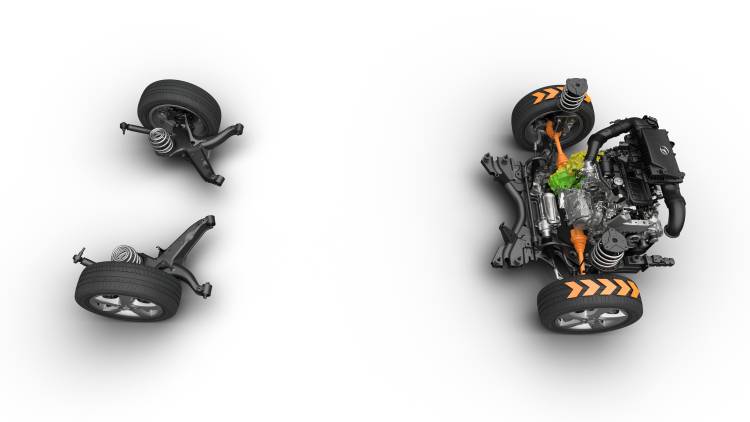
Credit: carbuzz.com
Frequently Asked Questions
What Are The Common Signs Of A Failing Driveshaft?
Vibrations, clunking noises, difficulty turning, and visible damage show a failing driveshaft.
How Does A Bad Driveshaft Affect Vehicle Performance?
It causes poor handling, uneven power delivery, and can lead to breakdowns.
Can A Worn Driveshaft Cause Strange Noises?
Yes, clunking or squeaking sounds often come from a worn driveshaft.
How Long Does A Driveshaft Usually Last?
A driveshaft can last 100,000 miles or more, depending on use and care.
Is It Safe To Drive With A Failing Driveshaft?
Driving is risky; it can cause loss of control or further damage.
Conclusion
A failing driveshaft can cause serious car problems. Watch for unusual noises, vibrations, or difficulty turning. These signs show your driveshaft needs attention. Fixing it early saves money and keeps you safe. Regular checks help avoid sudden breakdowns. Stay alert to keep your vehicle running smoothly.
Don’t ignore these warning signs—they matter. Taking action now prevents bigger issues later. Your car’s health depends on a strong driveshaft. Keep it in good shape for a safer drive.


