Last Updated on November 25, 2025 by Aaron Blake
Have you ever felt your car pulling to one side or noticed unusual noises when driving? These could be signs that your suspension needs attention.
Your suspension system is one of the most important parts of your vehicle—it keeps you safe, comfortable, and in control. Ignoring regular suspension checks can lead to costly repairs, unsafe driving conditions, and even accidents. You’ll discover why keeping your suspension in top shape is crucial and how simple checks can save you money and protect your loved ones.
Keep reading to learn how you can take charge of your vehicle’s health today.
Contents
Signs Of Suspension Wear
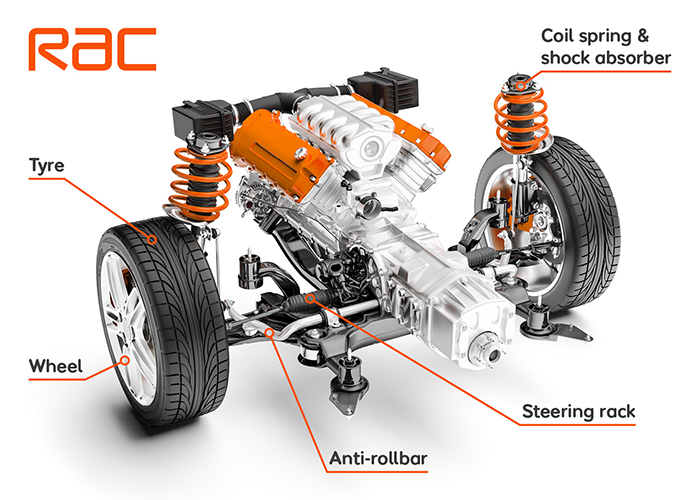
Your vehicle’s suspension system keeps the ride smooth and safe. Over time, parts wear out and cause problems.
Recognizing signs of suspension wear early helps prevent bigger issues and costly repairs.
Unusual Noises
Suspension wear often causes strange sounds. You might hear clunks, squeaks, or rattles.
These noises happen when parts like bushings, shocks, or struts get loose or damaged.
- Clunking noise when driving over bumps
- Squeaking during turns or stops
- Rattling sounds on rough roads
Handling Problems
Worn suspension parts affect how your car handles. You may notice poor steering or shaky rides.
The car might pull to one side or bounce more than usual after hitting bumps.
- Difficulty steering or keeping control
- Car pulls left or right while driving
- Excessive bouncing after bumps
Uneven Tire Wear
Suspension problems cause tires to wear unevenly. This reduces tire life and safety.
Check your tires often for bald spots or uneven tread patterns.
- Tires bald on one edge only
- Patchy or rough tread wear
- Visible tire cupping or scalloping
Credit: www.simplyfleet.app
Safety Benefits Of Suspension Checks
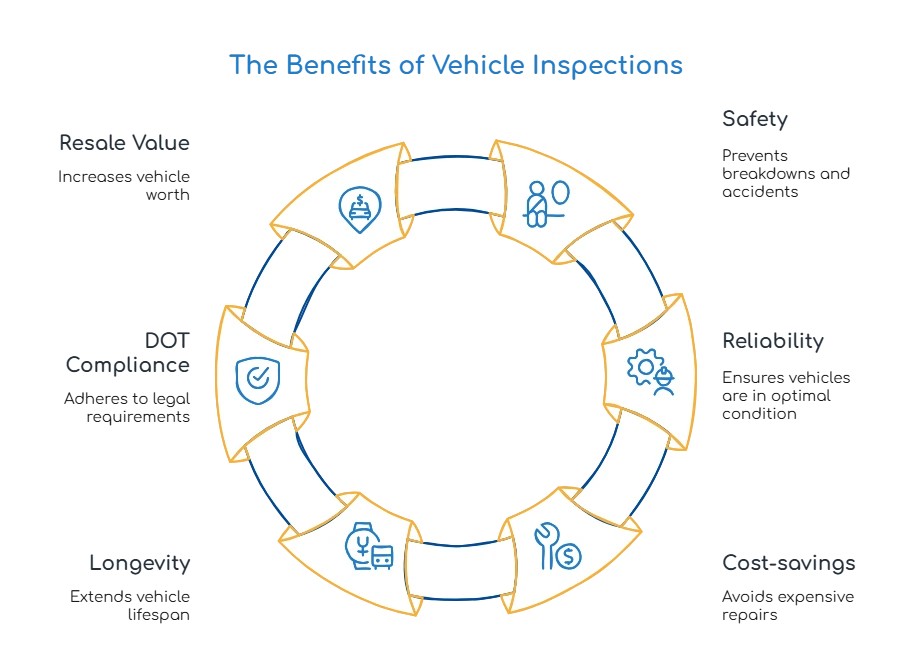
Regular suspension checks help keep your vehicle safe to drive. They find problems early before they get worse.
Good suspension improves how your car handles and stops. It protects you and others on the road.
Improved Vehicle Control
Suspension keeps your tires on the road. This gives you better control of the car.
When suspension parts wear out, the vehicle may sway or bounce. This makes steering harder and less safe.
- Helps maintain balance on curves
- Reduces the risk of skidding
- Makes driving smoother and safer
Enhanced Braking Efficiency
Suspension supports the weight during braking. Good suspension helps brakes work better.
If suspension is weak, braking distance may increase. This can cause accidents.
- Keeps tires firmly on the road when braking
- Prevents nose diving that affects brake performance
- Improves overall stopping power
Performance Impact
Regular suspension checks keep your vehicle running smoothly. They help maintain control and safety on the road.
Suspension issues can cause uneven tire wear and poor handling. This affects how well your car performs.
Ride Comfort
A good suspension absorbs shocks from bumps and rough roads. This makes your ride smooth and comfortable.
If suspension parts wear out, the ride feels harsh. You may notice more vibrations and noise inside the car.
Fuel Efficiency
Proper suspension helps keep tires in good contact with the road. This reduces rolling resistance and saves fuel.
Worn suspension parts cause uneven tire wear. This makes your engine work harder and use more fuel.
Credit: www.blueskytireandauto.com
Maintenance Tips
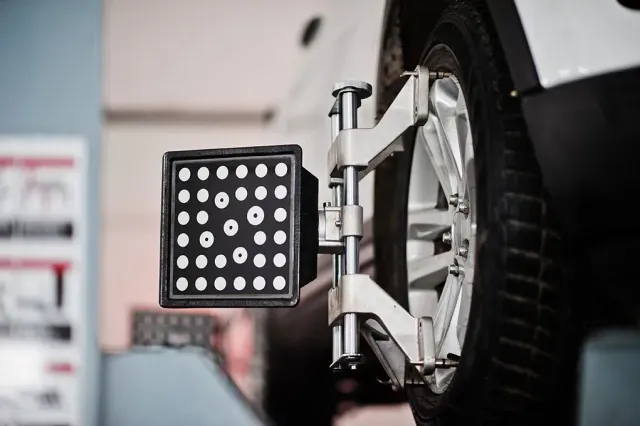
Regular suspension checks keep your vehicle safe and smooth on the road. Proper care helps spot issues early and saves money on big repairs.
Knowing when and how to inspect your suspension is important. Follow simple tips to keep your vehicle in good shape.
Inspection Frequency
Suspension parts wear over time. Check them often to avoid problems. Signs of wear include strange noises, uneven tire wear, and poor handling.
- Inspect suspension every 12,000 miles or once a year.
- Check after hitting potholes or rough roads.
- Inspect if you feel vibrations or pulling while driving.
- Look for leaks in shocks or struts every six months.
Professional Vs Diy Checks
Decide whether to check your suspension yourself or hire a pro. Both have benefits and limits.
| Check Type | Advantages | Limitations |
| Professional Check | Thorough, uses special tools, finds hidden issues | Costs money, needs appointment |
| DIY Check | Free, quick, easy for basic problems | Limited tools, may miss deep issues |
Credit: www.rac.co.uk
Frequently Asked Questions
Why Are Regular Suspension Checks Important For Vehicle Safety?
Regular suspension checks keep your vehicle stable, improve control, and reduce accident risks on the road.
How Often Should I Get My Car’s Suspension Checked?
Experts suggest checking suspension every 12,000 miles or once a year to ensure safe driving conditions.
What Are Common Signs Of Suspension Problems?
Uneven tire wear, bouncing rides, and steering difficulty often indicate suspension issues needing attention.
Can Poor Suspension Affect Fuel Efficiency?
Yes, bad suspension causes uneven tire contact, increasing fuel consumption and reducing vehicle efficiency.
What Damages Can Regular Suspension Checks Prevent?
Routine checks prevent costly repairs, uneven tire wear, and damage to other vehicle parts.
Conclusion
Regular suspension checks keep your vehicle safe and smooth. They help spot problems early, saving money on repairs. Good suspension improves control and comfort while driving. It also protects tires from wearing out fast. Don’t ignore strange noises or bumpy rides.
Simple inspections can prevent accidents and breakdowns. Keep your suspension in good shape for peace of mind. Regular care means safer trips every time you drive. Make suspension checks a part of your vehicle routine. Your car and your safety will thank you.