

How Wheel Balancing Works: Ultimate Guide to Smooth Driving
Last Updated on August 17, 2026
Have you ever felt a strange vibration in your car’s steering wheel or noticed uneven tire wear? These signs often point to one common issue: your wheels might be out of balance.
Understanding how wheel balancing works can save you from uncomfortable rides, costly repairs, and even safety risks. You’ll discover exactly what wheel balancing is, why it matters for your vehicle, and how it keeps your driving smooth and safe. Keep reading to learn how a simple adjustment can make a big difference in your daily drive.
Credit: hofmann-equipment.com
Why Wheel Balancing Matters
Wheel balancing helps your vehicle run smoothly. It fixes uneven weight on tires and wheels.
Balanced wheels improve driving comfort and tire life. They also keep you safer on the road.
Impact On Ride Comfort
Unbalanced wheels cause vibrations when you drive. These shakes can make rides uncomfortable.
Balanced wheels spin evenly. This reduces shaking and noise inside the car.
Effect On Tire Wear
Uneven wheel weight wears tires unevenly. This shortens tire life and wastes money.
| Cause | Effect on Tires |
| Unbalanced wheels | Uneven tire wear and early replacement |
| Balanced wheels | Even wear and longer tire life |
Safety Implications
Wheels that are not balanced can make steering hard. This reduces your control over the car.
- Unstable steering can cause accidents.
- Balanced wheels help keep the car steady.
- Proper balance reduces the risk of tire failure.
How Wheel Imbalance Occurs
Wheel imbalance happens when the weight of a wheel and tire is not evenly distributed. This causes the wheel to wobble or vibrate as it spins. The imbalance leads to uneven tire wear and can affect vehicle handling.
Understanding why imbalance occurs helps you recognize and fix the problem early. This keeps your ride smooth and safe.
Common Causes Of Imbalance
Several factors can cause wheel imbalance. These include manufacturing defects, damage from road hazards, and uneven tire wear. Dirt or rust on the wheel can also change its weight distribution.
- Uneven tire wear from misalignment or poor inflation
- Wheel damage such as dents or bends from hitting potholes
- Missing or loose wheel weights used for balancing
- Build-up of dirt, mud, or rust on the wheel rim
- Manufacturing variations in tire or wheel weight
Signs Of Unbalanced Wheels
| Sign | Description |
|---|---|
| Vibration in the steering wheel | Often felt at certain speeds, usually between 40-70 mph |
| Uneven tire wear | Tires wear out faster on some parts than others |
| Noise while driving | A humming or buzzing sound may occur |
| Poor fuel efficiency | Extra resistance from imbalance lowers fuel economy |
| Vehicle pulls to one side | Imbalance can cause uneven handling or pulling |
Methods Of Wheel Balancing
Wheel balancing helps a vehicle run smoothly and safely. It keeps the tires from wobbling or vibrating.
There are two main ways to balance wheels: static balancing and dynamic balancing. Each method fixes different issues.
Static Balancing
Static balancing checks the wheel for heavy spots that cause it to wobble up and down. The wheel is balanced on a machine that spins it slowly.
The machine finds where the heavy spots are. Then, small weights are added to the opposite side to balance it out. This stops the wheel from bouncing.
- Wheel spins on a single plane
- Detects up and down movement
- Weights added to fix heavy spots
- Improves ride comfort
Dynamic Balancing
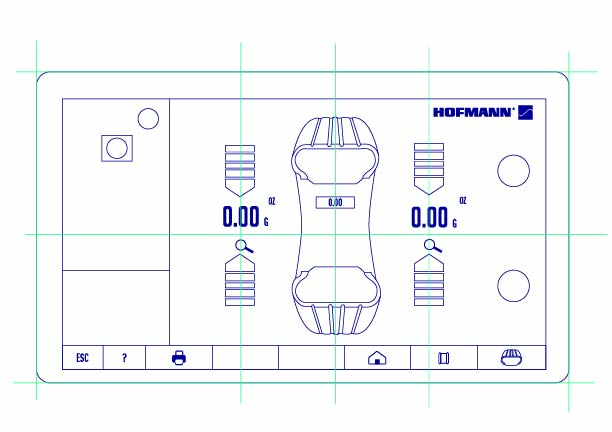
Dynamic balancing checks the wheel for heavy spots that cause it to wobble side to side. The wheel spins at higher speed on a special machine.
This method uses sensors to find both static and dynamic imbalances. Weights are added in two places on the wheel to fix these issues. This helps with steering and tire wear.
- Wheel spins on two planes
- Detects side to side movement
- Weights placed on inner and outer rim
- Improves steering and tire life
Credit: hofmann-equipment.com
When And How To Balance Wheels
Wheel balancing helps your car run smoothly. It prevents vibrations and uneven tire wear.
Balancing adds small weights to wheels. This fixes uneven weight distribution around the tire.
Recommended Frequency
Balance your wheels every 5,000 to 6,000 miles. This keeps your ride smooth and safe.
Also balance wheels after buying new tires or if you feel vibrations. Check balancing if you hit a pothole.
- Every 5,000 to 6,000 miles
- After new tire installation
- If you feel shaking or vibrations
- After a strong impact like hitting a pothole
Diy Vs Professional Service
DIY wheel balancing needs special tools. Most people do not have the right equipment.
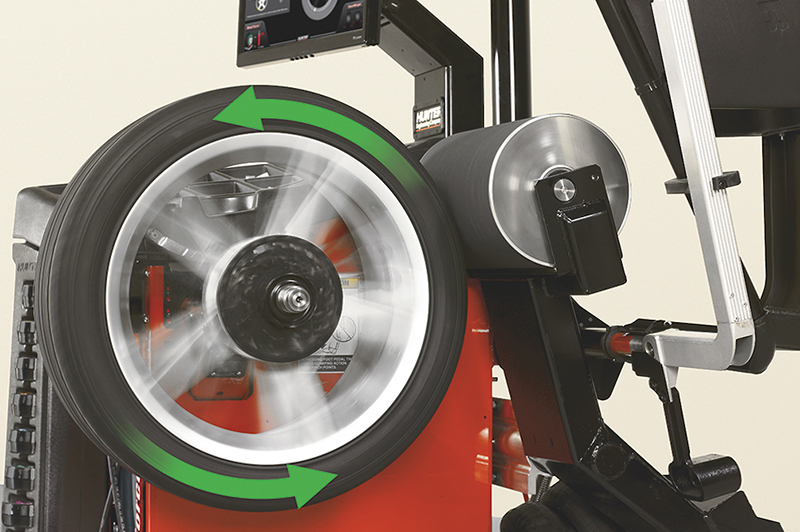
Professional shops use machines that spin the wheel. They find exact spots to add weights.
- DIY balancing: requires tools and skill
- Professional service: accurate and quick
- Professionals handle all wheel sizes
- DIY may miss small imbalances
Credit: pro-align.co.uk
Frequently Asked Questions
What Is Wheel Balancing And Why Is It Important?
Wheel balancing fixes uneven weight on tires. It improves ride quality and tire life.
How Does A Mechanic Balance My Car Wheels?
A machine spins the wheel to find heavy spots, then adds weights to balance it.
How Often Should I Get My Wheels Balanced?
Check wheel balance every 5,000 to 6,000 miles or if you feel vibration.
What Are Signs That My Wheels Need Balancing?
Vibrations in the steering wheel or seat and uneven tire wear signal imbalance.
Can Unbalanced Wheels Affect My Car’s Safety?
Yes, unbalanced wheels cause poor handling and increase tire wear, risking safety.
Conclusion
Wheel balancing keeps your ride smooth and safe. It stops vibrations that can wear tires unevenly. Balanced wheels help improve fuel efficiency too. Regular checks can catch problems early and save money. Trust trained technicians to do the job right.
Keep your wheels balanced for better driving comfort. Don’t ignore signs like shaking or noise while driving. Proper wheel care extends the life of your tires. Simple steps lead to safer roads and happier drives.


