How To Protect Car Exteriors From Rust: Essential Tips Revealed
Last Updated on August 17, 2026
Rust can quickly turn your car’s shiny exterior into a dull, damaged mess. If you want to keep your car looking new and protect its value, you need to act before rust takes hold.
You’ll discover simple and effective ways to shield your car’s exterior from rust. These tips are easy to follow and can save you money and frustration down the road. Ready to learn how to keep your car’s paint smooth and rust-free?
Let’s dive in.

Credit: www.carhub.ca
Common Causes Of Car Rust
Rust can damage your car’s exterior and lower its value. Knowing what causes rust helps protect your car better.
Car rust happens when metal meets water and oxygen for a long time. Many factors speed up this process.
Environmental Factors
Weather and surroundings play a big role in causing rust. Rain, snow, and humidity make metal wet often.
- High humidity keeps metal moist.
- Rain and snow add water to the car surface.
- Coastal areas have salty air that speeds rust.
- Strong sun can crack paint, letting water in.
Road Salt And Chemicals
Salt and chemicals on roads protect roads but harm cars. They cause metal to corrode faster than normal.
| Type | Effect on Car |
|---|---|
| Road Salt | Speeds up rust on metal parts |
| De-icing Chemicals | Break down paint and expose metal |
| Sand and Grit | Scratch paint and allow water in |
Neglected Maintenance
Failing to clean and check your car can lead to rust. Dirt and moisture stay longer on the car surface.
Ways neglected maintenance causes rust:
- Not washing off salt after winter
- Ignoring paint chips and scratches
- Skipping regular waxing and sealing
- Leaving mud and dirt on wheel wells
Credit: www.motip.com
Preventive Cleaning Techniques
Protecting your car’s exterior from rust starts with good cleaning habits. Dirt and moisture can cause rust if not removed regularly.
Using the right products and methods keeps your car’s paint and metal safe from corrosion over time.
Regular Washing
Wash your car often to remove salt, dirt, and grime. These materials can hold moisture and speed up rust formation.
- Use mild car soap and water
- Rinse thoroughly to remove all soap
- Pay attention to wheel wells and undercarriage
- Clean after driving on salted roads or near the sea
Using Rust-inhibiting Products
Rust-inhibiting sprays and coatings add a protective layer to your car’s metal. These products slow down rust formation.
| Product Type | Purpose |
| Rust-proof spray | Protects metal surfaces |
| Wax or sealant | Shields paint and metal |
| Undercoating | Guards undercarriage from moisture |
Proper Drying Methods
Dry your car fully after washing. Water left on the surface can cause rust spots to develop.
Follow these drying tips:
- Use a clean microfiber towel
- Dry all surfaces, including door edges and mirrors
- Open doors and trunk to dry inside edges
- Avoid air drying in humid conditions
Protective Coatings And Treatments
Rust can damage your car’s exterior over time. Using protective coatings helps stop rust from forming. These coatings create a barrier against water and salt.
There are several options to protect your car’s paint and metal parts. Each offers different benefits and levels of protection.
Wax And Sealants
Wax and sealants protect your car’s paint by creating a thin, protective layer. Wax is natural and gives a shiny finish. Sealants are synthetic and last longer. Both help repel water and dirt.
- Apply wax every few months for shine and protection.
- Use sealants for longer-lasting coverage, up to six months.
- Clean the car surface before applying any coating.
- Use soft cloths to avoid scratches during application.
Rustproofing Sprays
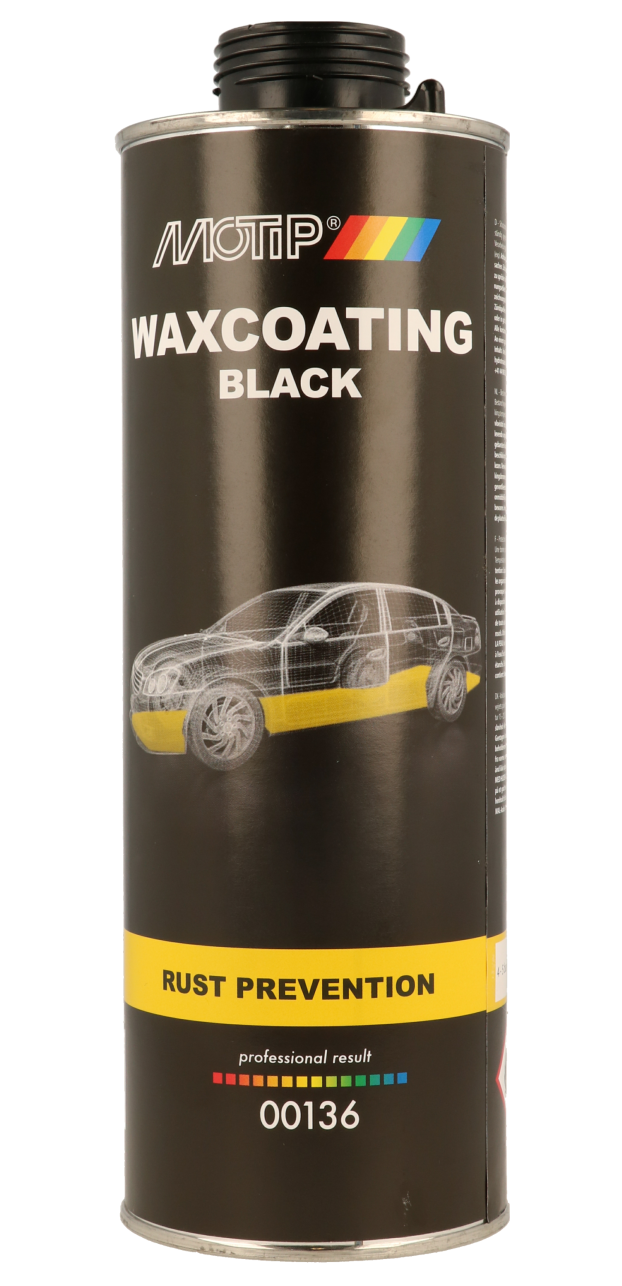
Rustproofing sprays coat metal parts to block moisture and salt. They reach small crevices and hard-to-clean areas. These sprays help prevent rust under the car and inside doors.
| Type of Spray | Use Area | Protection Time |
| Oil-based | Underbody | 6-12 months |
| Wax-based | Door edges, seams | 3-6 months |
| Rust inhibitor | Metal surfaces | Up to 1 year |
Professional Undercoating
Professional undercoating applies a thick, durable layer to the car’s underside. It protects against road salt, stones, and moisture. This method is done by experts for best results.
- Long-lasting rust protection
- Reduces noise from road debris
- Improves car resale value
- Protects hard-to-reach areas
Timely Repairs And Inspections
Protecting your car’s exterior from rust is important. Timely repairs and inspections help keep rust away. Small problems can turn into big damage if ignored.
Regular checks make sure your car stays strong and looks good. Catch rust early to avoid costly repairs. Use simple steps to care for your car’s surface.
Spotting Early Rust
Look closely at your car’s body for small rust spots. Check areas near the wheels and under the doors. Rust often starts where paint is damaged or scratched.
- Inspect your car weekly in good light
- Watch for tiny bubbles under the paint
- Check metal parts for discoloration
- Clean dirt to see the surface clearly
Fixing Paint Chips
Paint chips expose metal to moisture and air. This speeds up rust formation. Fix chips quickly with touch-up paint. Keep a small repair kit in your car.
| Tool | Purpose |
| Fine sandpaper | Smooth chipped area |
| Primer | Protect metal before painting |
| Touch-up paint | Match your car’s color |
| Clear coat | Seal and protect paint |
Routine Professional Checkups
Visit a professional for regular car inspections. Experts spot rust in hidden places. They use tools to find damage you may miss. Early treatment stops rust from spreading.
Ask your mechanic about rust-proofing services. They may:
- Apply protective coatings
- Repair rusted panels
- Check undercarriage and wheel wells
- Recommend maintenance tips

Credit: www.carparts.com
Frequently Asked Questions
How Can I Prevent Rust On My Car’s Exterior?
Keep your car clean and dry. Wash it regularly and apply a wax coating to protect the paint.
What Types Of Coatings Protect Car Paint From Rust?
Use wax, sealants, or ceramic coatings. These create a barrier against water and salt that cause rust.
How Often Should I Wash My Car To Avoid Rust?
Wash your car at least once every two weeks, or more if you live in salty or wet areas.
Can Scratches On My Car Lead To Rust?
Yes, scratches expose metal to air and moisture, increasing the chance of rust forming.
Is Rust Protection Necessary In Dry Climates?
Yes, dust and dirt can still damage paint, so rust protection helps maintain your car’s look everywhere.
Conclusion
Protecting your car’s exterior from rust takes regular care and attention. Wash your car often to remove dirt and salt. Apply wax to create a strong barrier against moisture. Fix scratches or dents quickly to stop rust from starting. Park in shaded or covered areas to avoid harsh weather.
Small actions add up to keep your car looking great longer. Rust prevention saves money and keeps your vehicle safe. Stay consistent with these simple steps for best results. Your car deserves this kind of care every day.