Last Updated on November 25, 2025 by Aaron Blake
Keeping your car running smoothly starts with one simple habit: checking your car fluid levels regularly. You might think this task is complicated or time-consuming, but it’s actually quick and easy—and it can save you from costly repairs down the road.
Imagine avoiding unexpected breakdowns or engine trouble just by knowing how to spot a problem early. You’ll learn exactly how to check the key fluids in your car, step-by-step. By the time you finish reading, you’ll feel confident and in control of your car’s health.
Let’s get started!
Credit: www.cardekho.com
Contents
Engine Oil Check
Checking your engine oil is a simple way to keep your car running smoothly. It helps prevent engine damage and costly repairs.
Regular oil checks let you know when to add or change the oil. This keeps your engine clean and well-lubricated.
Locate The Dipstick
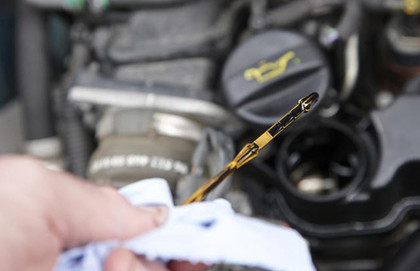
Open the car hood and find the dipstick. It usually has a bright handle, often yellow or orange.
The dipstick is a long metal rod that goes into the engine oil reservoir. Pull it out carefully to check the oil.
Read The Oil Level
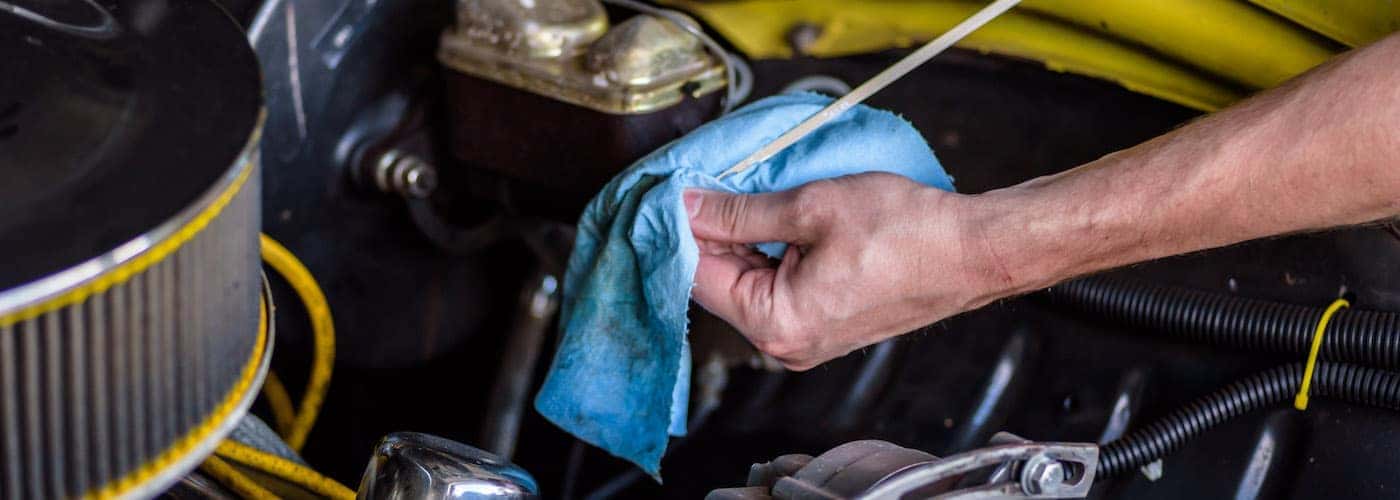
Wipe the dipstick clean with a cloth or paper towel. Then, put it back fully and pull it out again to check the oil level.
- Wipe dipstick with a clean cloth.
- Insert dipstick fully into its tube.
- Pull dipstick out and look at the oil mark.
- Check if the oil mark is between the minimum and maximum lines.
Assess Oil Condition
| Oil Color | Meaning |
| Light amber | Oil is clean and in good condition |
| Dark brown or black | Oil is dirty and needs changing |
| Milky or foamy | Possible coolant leak; see a mechanic |
| Thick or gritty | Oil is old or contaminated; replace soon |
Check the oil smell and texture. It should not smell burnt or feel gritty. If so, change the oil soon.
Credit: www.landroverwestchester.com
Coolant Level Check
Checking your car’s coolant level is important to keep the engine cool. Low coolant can cause the engine to overheat.
You can check the coolant level yourself in just a few minutes. Make sure the engine is cool before starting.
Find The Reservoir
Open the hood of your car. Look for a plastic tank near the radiator. This is the coolant reservoir.
The reservoir is usually translucent and may have a colored cap. Check your owner’s manual if you cannot find it.
Check Fluid Markings
Look at the side of the reservoir. You will see markings for “Full” and “Low.”
- The coolant level should be between these two marks.
- If the level is below “Low,” it needs topping up.
- Check the fluid color; it should be bright, not rusty or dirty.
Top Up If Needed
Use the correct type of coolant for your car. This info is in the owner’s manual.
| Action | Details |
| Wear gloves | Protect your skin from chemicals |
| Open cap slowly | Release pressure safely when engine is cool |
| Add coolant | Pour until fluid reaches “Full” mark |
| Close cap | Ensure it is tight and secure |
Brake Fluid Inspection
Checking your car’s brake fluid is important for safe driving. Brake fluid helps the brakes work properly.
You should inspect the brake fluid regularly to avoid brake failure. This guide explains how to check it.
Identify The Brake Fluid Reservoir
The brake fluid reservoir is usually near the back of the engine bay. It is a small, clear container with a screw cap.
Look for a label or symbol that shows a circle with brackets. This symbol means it holds brake fluid.
Examine Fluid Level And Color
Check the fluid level by looking at the side of the reservoir. There are “MIN” and “MAX” marks to guide you.
- Ensure the fluid is between the “MIN” and “MAX” lines.
- Look at the fluid color; it should be clear or light yellow.
- Dark or cloudy fluid means it needs to be changed.
Safety Precautions
Wear gloves to protect your skin from brake fluid. It is toxic and can cause irritation.
| Precaution | Reason |
| Wear gloves | Protect skin from harmful chemicals |
| Avoid spilling fluid | Brake fluid can damage paint |
| Keep reservoir cap tight | Prevent contamination and moisture |
Transmission Fluid Check
Checking your car’s transmission fluid is important. It keeps the transmission running smoothly.
Low or dirty fluid can cause shifting problems or damage. Here is how to check it yourself.
Locate The Transmission Dipstick
Open the car hood and look for the transmission dipstick. It often has a red or yellow handle.
If you cannot find it, check your owner’s manual. Some cars have a sealed transmission without a dipstick.
Check Fluid Condition
Pull out the dipstick and wipe it clean with a cloth. Then reinsert it fully and pull it out again.
Look at the fluid on the dipstick. It should be clear or pinkish. If it is dark or smells burnt, it needs changing.
- Clear or pink fluid is healthy
- Dark brown or black fluid is old
- Burnt smell means overheating
- Low fluid level needs topping up
Add Transmission Fluid
If the fluid level is low, add the correct type of transmission fluid. Use the type listed in your manual.
Use a funnel to pour fluid into the dipstick tube. Add small amounts and check the level often.
- Do not overfill the transmission
- Check fluid level on a warm engine
- Wear gloves to avoid skin contact
- Clean any spills to avoid damage

Credit: www.reddit.com
Frequently Asked Questions
How Often Should I Check My Car Fluid Levels?
Check fluid levels every month or before long trips to keep your car running smoothly.
Which Car Fluids Need Regular Checking?
Check engine oil, coolant, brake fluid, transmission fluid, and power steering fluid regularly.
What Tools Do I Need To Check Car Fluids?
You just need a clean rag and your car’s dipstick or fluid reservoirs.
Can Low Fluid Levels Damage My Car?
Yes, low fluids can cause engine trouble, brake failure, or overheating.
How Do I Know If Car Fluids Need Changing?
Look for dark color, thick texture, or unusual smells to know if fluids need changing.
Conclusion
Checking your car’s fluid levels keeps your vehicle running smoothly. Regular checks help spot problems early. This saves money and prevents breakdowns. Use the right tools and follow safety steps. Don’t rush—take your time to do it right. Keeping fluids at proper levels boosts engine health.
Small efforts lead to big benefits. Make checking fluids a simple habit. Your car will thank you with better performance.