Importance Of Engine Cooling System: Essential for Peak Performance
Last Updated on August 17, 2026
Have you ever wondered what keeps your car’s engine from overheating and breaking down? The answer lies in your engine cooling system.
This hidden hero works tirelessly to keep your engine at the perfect temperature, ensuring your vehicle runs smoothly and lasts longer. Understanding why your engine cooling system is so important can save you from costly repairs and unexpected breakdowns. Keep reading to discover how this vital system protects your engine and what you can do to keep it in top shape.

Credit: jlmmarine.com
Role Of Engine Cooling
The engine cooling system keeps the engine from getting too hot. It helps the engine run smoothly and last longer.
Without proper cooling, an engine can overheat and cause serious damage. The system moves heat away from the engine parts.
Heat Management Basics
The engine creates heat when it burns fuel. This heat must be controlled to avoid damage.
- The cooling system uses coolant to absorb heat from the engine.
- Heat moves from the engine to the radiator through the coolant.
- The radiator releases heat into the air outside the vehicle.
- Fans help increase air flow through the radiator to cool the coolant.
- Thermostats regulate the temperature by controlling coolant flow.
Preventing Overheating
Overheating can cause engine parts to warp or fail. A good cooling system stops this from happening.
| Cause | Effect |
| Low coolant level | Engine temperature rises quickly |
| Broken radiator fan | Less heat is removed from the coolant |
| Clogged radiator | Coolant flow is blocked |
| Faulty thermostat | Coolant does not circulate properly |
| Leaking hoses | Coolant escapes, reducing cooling |
Credit: dsportmag.com
Components Of Cooling System
The engine cooling system keeps the engine at the right temperature. It stops the engine from getting too hot or too cold.
This system has many parts that work together. Each part has a special job to help cool the engine.
Radiator And Fans
The radiator cools down the hot coolant from the engine. It moves heat from the coolant to the air outside.
Fans help the radiator by blowing air through it. This air cools the hot coolant faster, especially when the car is stopped.
- Radiator has many small tubes and fins
- Coolant flows through these tubes
- Fans turn on when extra cooling is needed
- Fans can be electric or belt-driven
Coolant And Thermostat
Coolant is a liquid that moves heat away from the engine. It flows through the engine and then to the radiator.
The thermostat controls the coolant flow. It keeps the engine warm by blocking coolant until the engine reaches the right temperature.
- Coolant is usually a mix of water and antifreeze
- Thermostat opens when the engine gets hot
- Thermostat closes when the engine is cold
- Both parts protect the engine from damage
Impact On Engine Performance
The engine cooling system helps keep the engine at the right temperature. It stops the engine from getting too hot or too cold. This balance is key for the engine to work well.
A good cooling system improves fuel use and power. It also lowers the chance of engine failure during long drives.
Maintaining Efficiency
The cooling system keeps the engine running at the best temperature. This helps fuel burn fully and cleanly. The engine uses less fuel and produces less smoke.
Without proper cooling, the engine runs too hot. This causes it to lose power and waste fuel. A cooled engine stays strong and efficient.
- Prevents overheating to save fuel
- Keeps engine parts at stable temperature
- Helps maintain steady engine power
Reducing Wear And Tear
Heat can damage engine parts like pistons and valves. The cooling system lowers the heat to protect these parts. This reduces the risk of engine damage.
By controlling temperature, the system extends engine life. It also cuts down on costly repairs and breakdowns.
- Prevents engine overheating and damage
- Protects metal parts from warping
- Reduces risk of engine failure
Maintenance Tips
The engine cooling system keeps your car from overheating. Proper maintenance helps your engine run smoothly. It also prevents costly repairs.
Regular care of the cooling system improves its lifespan. It ensures safe driving and better fuel efficiency.
Regular Inspections
Check your cooling system often for leaks and damage. Look at hoses, clamps, and the radiator for cracks or wear. Keep an eye on the coolant level and color.
- Inspect hoses for cracks or softness
- Look for coolant leaks under the vehicle
- Check radiator fins for dirt or damage
- Make sure radiator cap seals well
- Watch engine temperature gauge during drives
Coolant Replacement
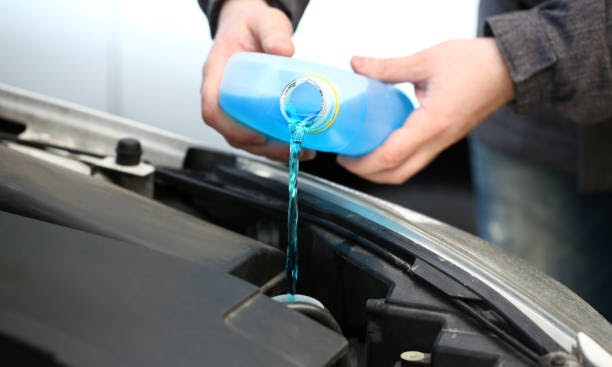
Changing the coolant is key to system health. Old coolant loses its ability to cool and prevent corrosion. Follow your car’s manual for replacement timing.
| Coolant Type | Replacement Interval |
| Inorganic Additive Technology (IAT) | Every 2 years or 30,000 miles |
| Organic Acid Technology (OAT) | Every 5 years or 150,000 miles |
| Hybrid Organic Acid Technology (HOAT) | Every 3 to 5 years or 60,000 miles |
Credit: www.aeroautoparts.com
Frequently Asked Questions
What Is The Main Purpose Of An Engine Cooling System?
The engine cooling system stops the engine from getting too hot. It keeps the engine safe and working well.
How Does The Engine Cooling System Prevent Overheating?
It moves heat away from the engine using coolant and fans. This stops damage from heat.
What Are The Key Parts Of An Engine Cooling System?
Main parts include the radiator, water pump, thermostat, and coolant. All work together to cool the engine.
Why Is Engine Cooling Important For Fuel Efficiency?
A cool engine runs better and uses less fuel. Overheating lowers performance and wastes gas.
How Often Should You Check The Engine Cooling System?
Check coolant levels and system condition every few months. Regular checks prevent big engine problems.
Conclusion
A strong engine cooling system keeps your car running smoothly. It stops the engine from getting too hot and breaking down. Without it, the engine can fail, causing expensive repairs. Regular checks help spot problems early and save money. Cooling systems also improve fuel efficiency and reduce emissions.
Taking care of this system protects your vehicle’s life and performance. A well-maintained engine cooling system means safer, more reliable driving every day. Simple steps can make a big difference. Don’t ignore this vital part of your car.