

How Hydraulic Brakes Work: The Ultimate Guide to Safety and Power
Last Updated on August 17, 2026
Have you ever wondered what happens when you press the brake pedal in your car or bike? Understanding how hydraulic brakes work can give you a clearer picture of what keeps you safe on the road.
This simple yet powerful system uses fluid to transfer your foot’s pressure into stopping power. By the end of this article, you’ll see why hydraulic brakes are trusted for smooth, reliable control—and how they protect you every time you hit the brakes.
Ready to discover the magic behind the brake pedal? Let’s dive in.
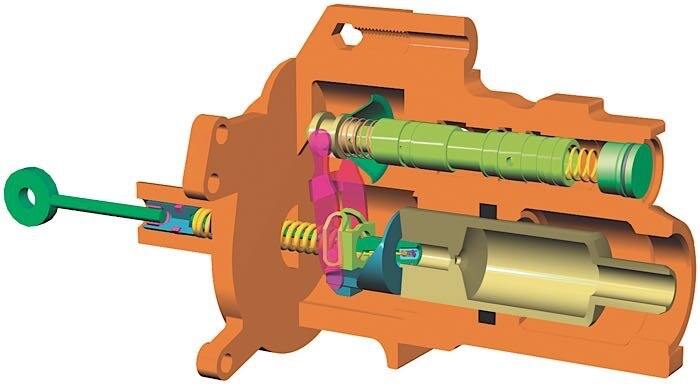
Credit: www.brakeandfrontend.com
Hydraulic Brake Components
Hydraulic brakes use fluid to create pressure that stops a vehicle. They have several key parts that work together to make braking smooth and safe.
Each component plays a special role. Understanding them helps explain how hydraulic brakes work well every time you press the pedal.
Master Cylinder
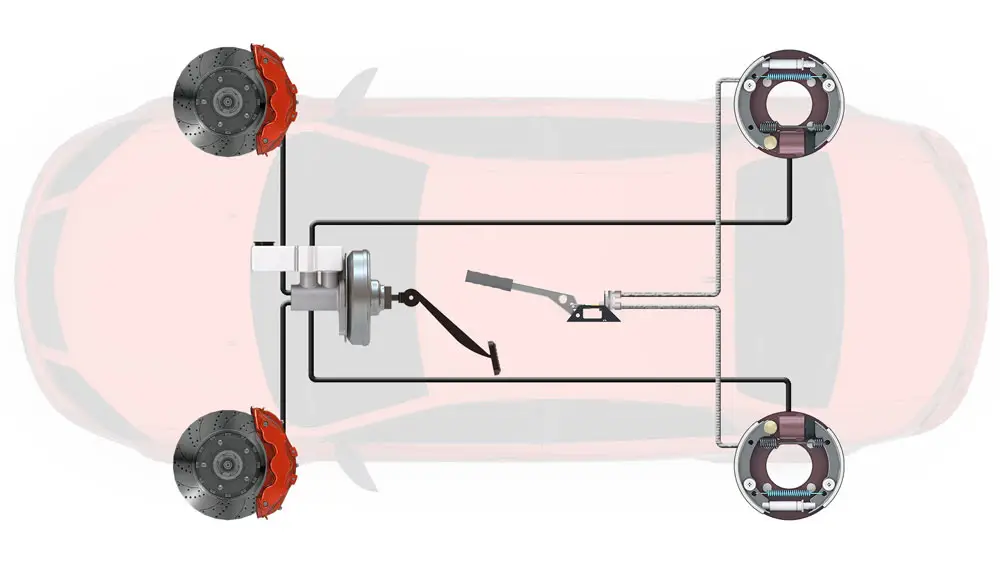
The master cylinder is the main part that controls brake fluid pressure. When you press the brake pedal, it pushes fluid through the brake lines. This action creates the force needed to stop the wheels.
Brake Lines And Hoses
Brake lines and hoses carry brake fluid from the master cylinder to the brake parts at each wheel. Lines are usually metal tubes, while hoses are flexible rubber parts that handle movement.
- Metal brake lines resist high pressure
- Rubber hoses allow for wheel movement
- Both need to be strong and leak-free
- They connect the master cylinder to the brakes
Calipers And Wheel Cylinders
Calipers and wheel cylinders push brake pads or shoes against the wheels to create friction. This friction slows down or stops the vehicle. Calipers work with disc brakes, while wheel cylinders are used in drum brakes.
| Component | Type of Brake | Function |
| Calipers | Disc Brakes | Push pads against rotors |
| Wheel Cylinders | Drum Brakes | Push shoes against drums |
Brake Fluid
Brake fluid transfers force from the brake pedal to the brakes. It must not compress and must resist heat well. Keeping the fluid clean and at the right level is very important for safe braking.
- Non-compressible to transfer pressure efficiently
- High boiling point to handle heat
- Water-resistant to prevent corrosion
- Needs regular replacement to maintain performance
Credit: thors.com
Brake Operation Process
Hydraulic brakes use fluid pressure to stop a vehicle. They turn pedal force into braking power.
This process involves several parts working together. Each part plays a key role in stopping the wheels.
Pedal Pressure And Fluid Movement
When the driver presses the brake pedal, it pushes a piston inside the master cylinder. This action forces brake fluid through small tubes.
The brake fluid moves under high pressure. It travels to the brake calipers or wheel cylinders at each wheel.
Force Transmission To Wheels
The fluid pressure pushes pistons in the brake calipers. These pistons press brake pads or shoes against the wheels.
This pressure creates a strong force that slows down the wheel’s rotation. The harder the pedal is pressed, the stronger the force.
Friction Generation
Brake pads rub against the spinning brake rotors or drums. This rubbing creates friction, which slows the wheels.
Friction changes the wheel’s motion into heat, helping to stop the vehicle safely and quickly.
- Brake pads contact rotors or drums
- Friction slows wheel rotation
- Vehicle speed decreases
Heat Dissipation
Friction produces a lot of heat in the brakes. Brake parts are designed to release this heat quickly.
Good heat dissipation prevents brake failure and keeps the system working well during long stops.
- Brake rotors have vents to cool air flow
- Brake pads use materials that resist heat
- Heat moves away from brake parts safely
Safety Features In Hydraulic Brakes
Hydraulic brakes use fluid pressure to stop vehicles. This system has safety features to keep drivers safe.
These features help maintain braking power and warn about problems early. They improve control and prevent accidents.
Brake Fluid Types And Maintenance
Brake fluid transfers force from the pedal to the brakes. Using the right type is important for safety.
Regular maintenance keeps the fluid clean and free of air. Old or dirty fluid can reduce braking power.
- DOT 3 and DOT 4 are common brake fluids
- DOT 5 is silicone-based and not compatible with others
- Change brake fluid every 1-2 years or as recommended
- Check fluid level regularly to avoid leaks
Anti-lock Braking System (abs)
ABS helps prevent wheels from locking during hard braking. It keeps the vehicle stable and steerable.
ABS uses sensors to monitor wheel speed. It quickly adjusts brake pressure to stop skidding.
- Improves control on slippery roads
- Reduces stopping distance in many conditions
- Alerts the driver if the system has a fault
Leak Detection And Warning Systems
Hydraulic brakes have sensors to detect fluid leaks. Leaks can cause brake failure if not fixed quickly.
Warning lights on the dashboard alert the driver about leaks or low fluid. This allows for fast repairs.
- Pressure sensors check the brake system health
- Dashboard warnings show fluid level and system status
- Early alerts prevent accidents caused by brake failure
Advantages And Common Issues
Hydraulic brakes use fluid to transfer force from the brake pedal to the brake pads. This system gives better control and stopping power than other brakes.
Understanding the benefits and problems helps keep hydraulic brakes working well and safe.
Power And Responsiveness
Hydraulic brakes deliver strong and quick braking power. The fluid pushes the brake pads evenly onto the wheels.
This makes the brakes very responsive. Drivers can stop faster and with less effort.
Durability And Reliability
Hydraulic brake systems last a long time if maintained well. The sealed fluid system stops dirt and air from entering.
These brakes work well in many weather conditions. They also need less force to work than mechanical brakes.
Common Problems And Fixes
Hydraulic brakes can face issues like fluid leaks, air in the lines, or worn parts. These reduce braking power and safety.
Regular checks and quick repairs help keep brakes in good shape.
- Fluid leaks: Check hoses and seals for damage and replace if needed.
- Air in lines: Bleed the brakes to remove trapped air for better response.
- Worn pads: Replace brake pads when they are thin to maintain stopping power.
- Contaminated fluid: Change brake fluid as recommended to keep it clean.

Credit: www.youtube.com
Frequently Asked Questions
What Are Hydraulic Brakes And How Do They Work?
Hydraulic brakes use fluid to move pressure from the brake pedal to the brake pads.
Why Are Hydraulic Brakes Better Than Mechanical Brakes?
Hydraulic brakes provide stronger, smoother, and more reliable stopping power than mechanical brakes.
What Fluid Is Used In Hydraulic Brake Systems?
Brake fluid, usually DOT3 or DOT4, transfers force inside hydraulic brake systems.
How Does Pressure Transfer In A Hydraulic Brake System?
Pressing the brake pedal pushes fluid through pipes, forcing brake pads to stop wheels.
What Maintenance Do Hydraulic Brakes Require For Best Performance?
Regularly check brake fluid levels and look for leaks to keep hydraulic brakes working well.
Conclusion
Hydraulic brakes use fluid to transfer force and stop vehicles. Pressing the brake pedal pushes fluid through tubes. This fluid moves pistons that press brake pads against wheels. This process creates friction and slows the vehicle down. The system is simple, reliable, and powerful.
Regular maintenance keeps hydraulic brakes working well. Understanding how they work helps you appreciate their safety role. Safe driving depends on good brakes and careful attention. Hydraulic brakes remain a key part of vehicle safety today.


