Last Updated on November 25, 2025 by Aaron Blake
Are you confused about whether to choose tubeless or tube tires for your bike? You’re not alone.
Picking the right tire can change your ride experience completely. Knowing the difference between tubeless and tube tires will help you ride smoother, avoid flats, and even save money. You’ll discover how each type works, their pros and cons, and which one fits your needs best.
Keep reading to make the smartest choice for your wheels and enjoy every ride to the fullest.
Credit: www.timesnownews.com
Contents
Tubeless Tires Basics
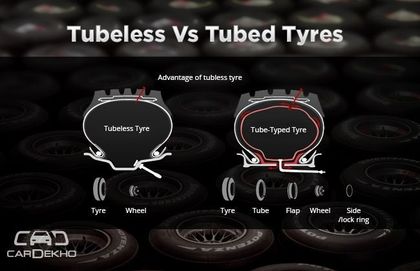
Tubeless tires do not use an inner tube to hold air. They seal directly to the wheel rim.
These tires are common in bicycles and cars. They offer different benefits than tube tires.
Design And Construction
Tubeless tires have a special design to hold air without a tube inside. The tire bead fits tightly on the rim.
The rim has a smooth surface to create an airtight seal. The tire casing is strong to prevent air leaks.
- Tire bead made to lock firmly on the rim
- Rim designed for airtight contact
- Strong tire walls to keep air inside
- Sealant often added inside to seal small holes
How They Work
Air stays inside the tire because the bead and rim seal tightly. No inner tube is needed.
If small holes appear, liquid sealant inside closes them quickly. This stops air leaks and flats.
- Air pressure pushes tire bead against rim
- Tight seal keeps air from escaping
- Sealant fills small punctures automatically
- Allows safer rides with fewer flats
Tube Tires Basics
Tube tires are one of the oldest types of tires used on bicycles and vehicles. They have an inner tube inside the tire that holds the air.
This design is simple and works well for many riders and drivers. Understanding how tube tires work helps you choose the right tire.
Design And Structure
Tube tires have two main parts: the outer tire and the inner tube. The outer tire protects the inner tube from the ground.
The inner tube is a separate, inflatable rubber tube that fits inside the tire. It holds the air and keeps the tire firm.
- Outer tire is made of rubber and fabric layers
- Inner tube is a thin rubber tube
- Valve on the inner tube lets you add or release air
How They Function
The inner tube inflates with air and pushes against the tire. This gives the tire shape and firmness needed for riding.
If the tube gets a hole, the air escapes and the tire goes flat. You must patch or replace the tube to fix it.
- Air fills the inner tube inside the tire
- Tube keeps air pressure stable
- Damage to tube causes air leaks
Performance Comparisons
Tubeless and tube tires each have unique performance traits. Understanding these helps in choosing the right tire.
This section explains how they differ in ride comfort, handling, and puncture resistance.
Ride Comfort And Handling
Tubeless tires offer better ride comfort. They run at lower air pressure without risking pinch flats.
Lower pressure helps the tire absorb bumps and rough roads. This improves grip and control.
- Lower air pressure improves shock absorption
- Better grip on uneven surfaces
- Improved bike handling and control
Puncture Resistance
Tubeless tires resist punctures better because they seal small holes automatically with sealant inside.
Tube tires can get flats more easily from sharp objects. Tubeless setups reduce stops and repairs.
- Sealant plugs small holes fast
- Less chance of sudden flats
- Longer rides without interruptions
Credit: www.cardekho.com
Benefits And Drawbacks
Tubeless and tube tires are common types for bikes and vehicles. Each has its own benefits and drawbacks.
Understanding these differences helps you choose the right tires for your needs and riding style.
Maintenance And Repair
Tubeless tires need special sealant inside to prevent leaks. This sealant dries out over time and must be replaced.
Tube tires are easier to fix. You just replace or patch the inner tube if it gets a hole.
- Tubeless tires need sealant checks every few months.
- Tube tires require carrying spare tubes for quick fixes.
- Tubeless repairs need tools for sealing punctures properly.
- Tube tire repairs are simple and fast with a patch kit.
Cost And Availability
Tubeless tires and their accessories usually cost more than tube tires. This includes sealant, valves, and special rims.
Tube tires are cheaper and widely available. You can find them in many bike shops and stores.
| Type | Cost | Availability |
|---|---|---|
| Tubeless | Higher initial cost | Less common in some areas |
| Tube Tires | Lower cost | Easy to find everywhere |

Credit: www.mynation.com
Frequently Asked Questions
What Are Tubeless Tires And How Do They Work?
Tubeless tires do not have an inner tube. The tire seals directly to the rim, holding air inside.
How Do Tube Tires Differ From Tubeless Tires?
Tube tires have an inner tube that holds air, while tubeless tires rely on airtight rims.
Are Tubeless Tires Better For Preventing Flats?
Yes, tubeless tires reduce flats by sealing small punctures with liquid sealant inside.
Can I Use Tubeless Tires On Any Bike Rim?
No, tubeless tires need compatible rims designed to hold air without tubes.
Which Tire Type Offers A Smoother Ride, Tubeless Or Tube?
Tubeless tires often provide a smoother ride due to lower air pressure and better shock absorption.
Conclusion
Choosing between tubeless and tube tires depends on your needs. Tubeless tires offer fewer flats and better grip. Tube tires are easier to fix and usually cheaper. Both types have pros and cons worth knowing. Think about your riding style and terrain.
This helps you pick the right tire for safety and comfort. Understanding these differences makes your rides smoother. Keep your bike ready and enjoy every trip.