Difference Between Summer And Winter Tires: Key Facts Revealed
Last Updated on August 17, 2026
Are you confident that your tires are ready for the changing seasons? Choosing the right tires can make a huge difference in your safety and driving comfort.
Summer and winter tires might look similar, but they perform very differently when the temperature drops or rises. Understanding how these tires work can save you money, improve your grip on the road, and keep you safe no matter the weather.
Keep reading to discover the key differences between summer and winter tires—and find out which ones are best for your car and your driving needs.
Tire Tread Patterns
Tire tread patterns help tires grip the road. They change based on weather needs.
Summer and winter tires have different tread designs. Each is made for specific road conditions.
Summer Tire Design
Summer tires have fewer grooves. Their tread blocks are larger and stiffer. This design helps in dry and wet summer roads.
- Wide tread blocks for better road contact
- Shallow grooves to reduce water splash
- Less siping for stronger grip on hot pavement
- Optimized for high-speed driving
Winter Tire Design
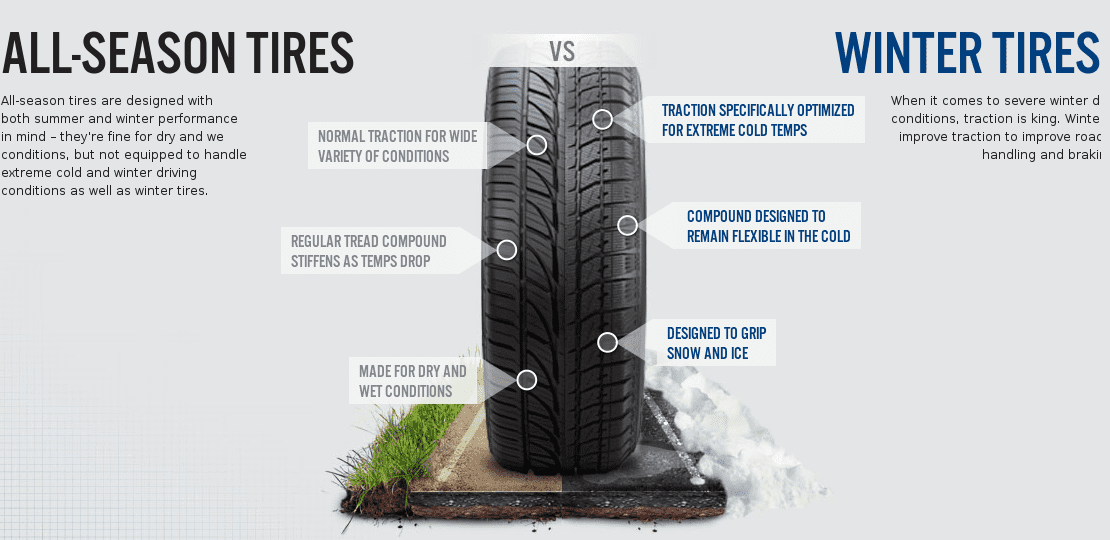
Winter tires have deep grooves and many small cuts. These cuts are called sipes. They help grip snow and ice.
| Feature | Winter Tire Tread |
| Groove Depth | Deep to channel snow and water |
| Siping | Many small cuts for extra traction |
| Tread Blocks | Smaller and more flexible |
| Surface | Soft rubber to stay pliable in cold |
Credit: www.agincourtmazda.ca
Rubber Compound Differences
Summer and winter tires use different rubber compounds. These compounds change how tires work in heat and cold. The right rubber helps tires grip the road safely.
Understanding the rubber compounds helps you know why each tire type is best for certain weather. This affects your car’s performance and safety.
Material Behavior In Heat
Summer tires have rubber that stays hard in hot weather. This helps the tire keep its shape and grip on dry roads. The rubber does not soften too much, so it wears slowly.
Winter tire rubber becomes too soft in heat. It can wear out quickly and lose grip on hot roads. That is why winter tires are not good for summer driving.
- Summer tires resist softening in high temperatures.
- Hard rubber keeps tires stable on hot pavement.
- Winter tire rubber softens too much in heat.
- Soft rubber wears down faster in summer conditions.
Material Behavior In Cold
Winter tire rubber stays flexible in cold weather. This helps the tire grip icy and snowy roads. The rubber does not get hard and brittle.
Summer tire rubber gets hard in cold. This reduces grip and makes the tire unsafe. Summer tires can crack or lose traction in winter conditions.
- Winter tires stay soft and flexible in cold.
- Soft rubber improves grip on ice and snow.
- Summer tires harden and lose traction in cold.
- Hard rubber can crack in freezing temperatures.
Performance In Weather Conditions
Summer and winter tires are built for different weather. They handle roads in unique ways. Choosing the right tires helps your car perform better.
Knowing how each tire reacts to weather can keep you safe. It also improves your driving experience in dry, wet, snowy, or icy conditions.
Handling On Dry And Wet Roads
Summer tires work well on dry and wet roads. They use harder rubber that stays firm in warm weather. This helps your car stay steady when you turn or brake.
- Summer tires provide better grip on dry surfaces.
- They have shallower tread patterns for more road contact.
- They perform well in wet conditions with channels to move water.
- Winter tires can feel soft and less stable on dry roads.
- Winter tires wear out faster on warm, dry pavement.
Traction On Snow And Ice
Winter tires are made for snow and ice. They have softer rubber that stays flexible in cold weather. This helps the tire grip slippery surfaces better.
| Feature | Summer Tires | Winter Tires |
| Rubber Type | Hard, optimized for warm temperatures | Soft, flexible in cold temperatures |
| Tread Design | Shallow with fewer grooves | Deep grooves and sipes for snow grip |
| Traction on Snow | Poor to none | Excellent traction |
| Traction on Ice | Low, risks slipping | High, safer on ice |
| Best Use | Dry and wet warm roads | Snowy and icy roads |

Credit: www.mountainfirewheels.com
Safety And Longevity
Summer and winter tires serve different purposes. Using the right tire improves safety on roads. It also helps the tires last longer.
Understanding how these tires wear and when to use them keeps your vehicle stable. It also protects your investment in tires.
Wear And Tear Factors
Summer tires have harder rubber to handle hot roads. They wear out faster in cold weather. Winter tires use softer rubber to stay flexible on ice and snow.
Using winter tires on hot pavement causes quick tread loss. Summer tires get stiff in cold, leading to cracks and poor grip. Road conditions and driving style also affect wear.
- Hot temperatures speed up wear on winter tires.
- Cold temperatures make summer tires brittle.
- Rough roads cause faster tread damage for all tires.
- Aggressive driving increases wear and tear.
Optimal Usage Periods
Summer tires work best in warm weather, usually above 45°F (7°C). Winter tires are ideal below this temperature. Using tires outside their temperature range reduces safety and life span.
Switching tires with the seasons helps keep them in good shape. Store off-season tires properly to avoid damage from heat or cold. Check tires often for signs of wear.
- Use summer tires in spring and summer months.
- Use winter tires in late fall and winter.
- Change tires at proper temperatures for safety.
- Store tires in cool, dry places when not in use.

Credit: www.reddit.com
Frequently Asked Questions
What Makes Summer Tires Different From Winter Tires?
Summer tires have harder rubber for warm roads; winter tires use softer rubber for cold and snow.
Can I Use Summer Tires In Winter Conditions?
Summer tires lose grip on cold, icy roads, making them unsafe in winter.
How Do Winter Tires Improve Safety On Snow?
Winter tires have deeper treads and special patterns to grip snow and ice better.
When Should I Switch From Summer To Winter Tires?
Switch to winter tires when temperatures drop below 45°F (7°C) for better traction.
Do Winter Tires Wear Out Faster In Summer?
Yes, winter tires wear quickly in warm weather due to their softer rubber.
Conclusion
Choosing the right tires affects your safety and car’s performance. Summer tires work best in warm, dry conditions. Winter tires provide better grip on snow and ice. Each tire type suits different weather and road needs. Changing tires with the seasons helps avoid accidents.
It also keeps your vehicle running smoothly. Remember, good tires mean safer drives for you and others. Simple care and correct tires make all the difference. Stay safe by picking the right tires for each season.