Last Updated on November 25, 2025 by Aaron Blake
Have you ever wondered why some cars feel smooth and steady on rough roads while others seem to bounce around? The secret often lies in the type of suspension they use.
Understanding the difference between independent and dependent suspension can help you make smarter choices—whether you’re buying a car, upgrading your ride, or just curious about how things work. You’ll discover exactly what sets these two suspension systems apart and how that affects your driving experience.
Stick with me, and by the end, you’ll see your vehicle in a whole new light.
Contents
Types Of Suspension Systems
Suspension systems help vehicles move smoothly on different roads. They absorb shocks from bumps and keep tires in contact with the ground.
There are two main types of suspension systems: independent and dependent. Each type works differently and suits different vehicle needs.
Independent Suspension
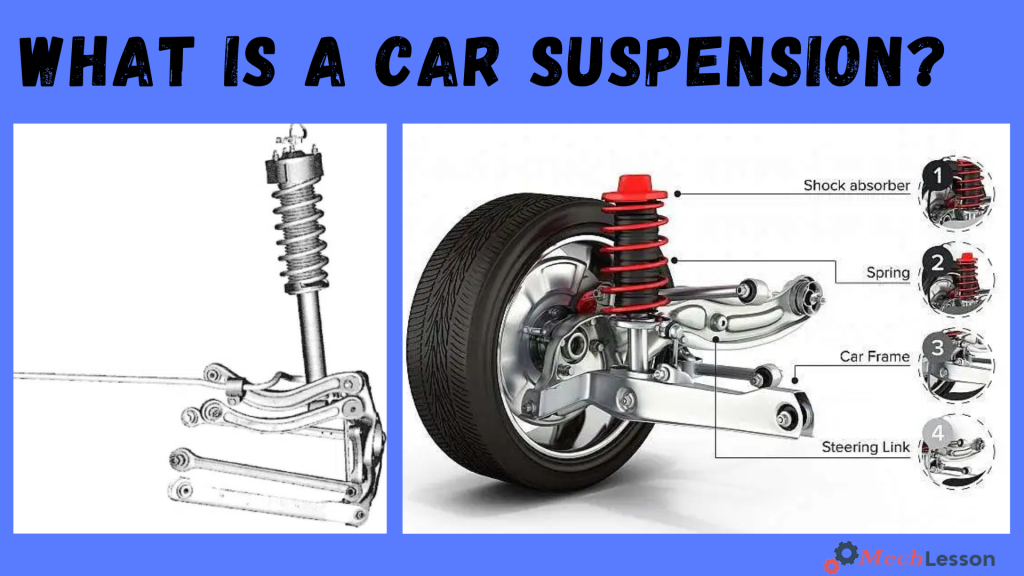
In an independent suspension, each wheel moves separately from the others. This design allows better handling and comfort on rough roads.
- Each wheel has its own suspension components.
- Improves ride quality by reducing vibrations.
- Common in front wheels of modern cars.
- Allows better control during turns.
Dependent Suspension
Dependent suspension connects wheels on the same axle. When one wheel moves, the other moves too. This system is strong and simple but less smooth.
| Feature | Dependent Suspension |
| Wheel Movement | Linked on same axle |
| Ride Comfort | Less smooth on bumps |
| Durability | Strong and robust |
| Cost | Usually less expensive |
| Common Use | Rear axle of trucks and SUVs |
Credit: www.shriramgi.com
How Suspension Affects Vehicle Performance
Suspension plays a big role in how a vehicle drives. It connects the wheels to the car body.
There are two main types: independent and dependent suspension. They affect performance differently.
Handling And Stability
Independent suspension allows each wheel to move on its own. This helps the car stay stable on rough roads.
Dependent suspension links the wheels together. This can cause one side to affect the other, reducing stability.
- Independent suspension offers better grip on curves
- It reduces body roll during turns
- Dependent suspension is simpler but less precise
- Dependent systems can make the car feel less stable at high speeds
Ride Comfort
Independent suspension absorbs bumps better. Each wheel reacts alone, smoothing the ride.
Dependent suspension can transfer bumps from one wheel to the other. This may cause a rougher ride.
- Independent suspension reduces vibrations inside the car
- It improves passenger comfort on uneven roads
- Dependent suspension is more rigid, less comfortable
- It is often used in heavier vehicles where load is a factor
Advantages Of Independent Suspension
Independent suspension lets each wheel move separately from the others. This design helps cars handle better on rough roads.
It offers many benefits over dependent suspension systems, especially in traction and ride comfort.
Improved Traction
Each wheel adjusts on its own, keeping better contact with the road. This improves grip, especially on uneven surfaces.
- Wheels react independently to bumps and dips
- Maintains tire contact and grip on rough terrain
- Reduces wheel slip during acceleration and braking
- Improves vehicle control and safety
Better Ride Quality
Independent suspension absorbs shocks better. It reduces vibrations felt inside the car.
| Feature | Independent Suspension | Dependent Suspension |
| Shock Absorption | High | Low |
| Ride Comfort | Smoother | Rougher |
| Handling on Rough Roads | Better | Worse |
| Vibration Inside Car | Less | More |
Credit: mechlesson.com
Benefits Of Dependent Suspension
Dependent suspension systems connect the wheels on the same axle. This design offers some clear benefits. They are common in trucks and heavy vehicles.
Below are two main advantages of dependent suspension. These focus on durability and cost efficiency.
Durability And Strength
Dependent suspension is strong and durable. The solid axle connects both wheels, which helps carry heavy loads. This makes it ideal for rough roads and heavy-duty use.
- Solid axle design resists bending and twisting.
- Less prone to damage on uneven surfaces.
- Better load distribution across the axle.
- Requires less maintenance in tough conditions.
Cost Efficiency
| Aspect | Dependent Suspension | Independent Suspension |
|---|---|---|
| Initial Cost | Lower | Higher |
| Maintenance Cost | Lower due to simple design | Higher due to complex parts |
| Repair Complexity | Simple and quick | More time and parts needed |
| Longevity | Long-lasting in heavy use | May wear faster under heavy loads |

Credit: mechbasic.com
Frequently Asked Questions
What Is The Main Difference Between Independent And Dependent Suspension?
Independent suspension lets wheels move separately; dependent suspension connects wheels with a solid axle.
How Does Independent Suspension Improve Ride Comfort?
Wheels react individually to bumps, giving smoother rides and better road contact.
Why Is Dependent Suspension Often Used In Trucks?
It is stronger and can carry heavy loads better than independent suspension.
Which Suspension Type Offers Better Handling On Rough Roads?
Independent suspension provides improved handling by isolating each wheel’s movement.
How Does Dependent Suspension Affect Vehicle Stability?
It keeps wheels aligned but can cause less smooth rides on uneven surfaces.
Conclusion
Independent and dependent suspensions each serve different needs in vehicles. Independent suspension offers better ride comfort and handling by allowing wheels to move separately. Dependent suspension is simpler and often stronger, linking wheels together. Choosing between them depends on the type of vehicle and driving conditions.
Understanding their differences helps you appreciate vehicle design and performance. Both systems have clear advantages, so knowing their roles makes car discussions easier.