Last Updated on November 25, 2025 by Aaron Blake
When it comes to your vehicle’s ride and handling, the type of suspension it uses plays a huge role. You might have heard about coil spring and leaf spring suspensions, but do you really know how they differ?
Understanding these differences can help you make smarter choices—whether you’re buying a car, upgrading your suspension, or just curious about how your ride works. You’ll discover exactly what sets coil springs apart from leaf springs, and how each one affects your driving experience.
Keep reading, because knowing this could change the way you think about your vehicle’s comfort and performance.

Credit: rvdaily.com.au
Contents
Coil Spring Basics
Coil springs are a key part of many vehicle suspensions. They help absorb shocks from rough roads. This keeps the ride smooth and comfortable.
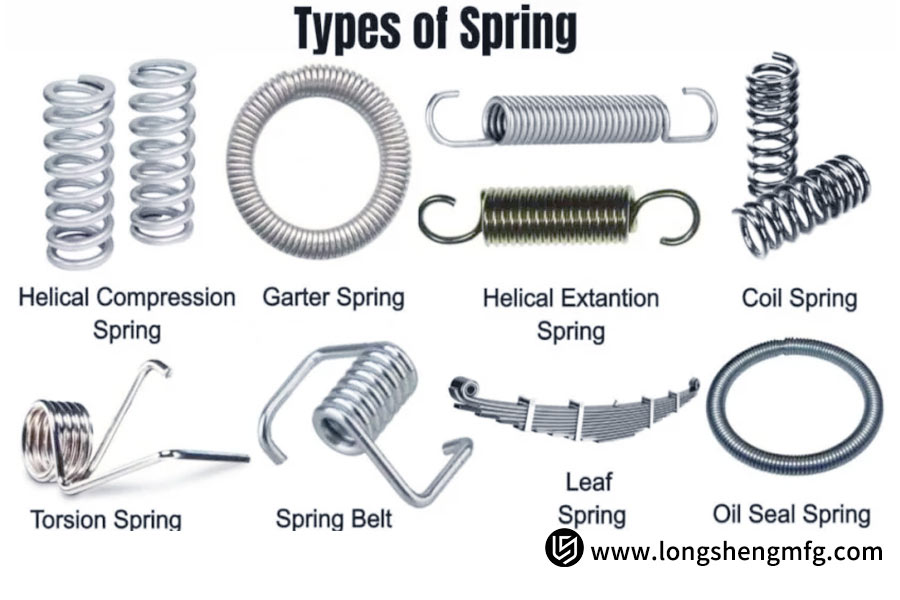
These springs look like a spiral or helix made from metal wire. They compress and expand to handle bumps and weight changes.
Design And Structure
Coil springs are made from strong steel wire twisted into a helical shape. This design allows them to compress easily and return to their original shape.
- Made of round steel wire
- Helical or spiral shape
- Can compress and extend
- Installed vertically or horizontally
- Works well with shock absorbers
Common Applications
Coil springs are popular in many types of vehicles. They provide good ride quality and take up less space than leaf springs.
| Vehicle Type | Use of Coil Springs |
| Passenger Cars | Front and rear suspension |
| Motorcycles | Shock absorber support |
| Light Trucks | Rear suspension for load handling |
| Sports Cars | Enhanced handling and comfort |
Leaf Spring Essentials
Leaf springs are one of the oldest suspension types used in vehicles. They help support weight and absorb shocks from the road.
Understanding leaf springs helps compare them with coil springs. This knowledge is useful for vehicle maintenance and repair.
Design And Structure
Leaf springs consist of several layers of metal strips called leaves. These leaves are stacked and curved slightly upward.
The layers are clamped together and attached to the vehicle’s frame. This design allows the spring to flex and absorb shocks.
- Made of multiple metal leaves stacked
- Curved shape to support weight
- Clamped and fixed to vehicle frame
- Flexes to absorb road shocks
Common Applications
Leaf springs are often used in trucks and heavy vehicles. They handle heavy loads better than coil springs.
Many commercial vehicles use leaf springs for their strength and simplicity. They also appear in some older cars and trailers.
- Trucks and pickups
- Commercial and heavy-duty vehicles
- Trailers and utility vehicles
- Older model passenger cars
Performance Comparison
Coil spring and leaf spring suspensions are common types in vehicles. Each has unique features that affect performance.
This comparison explains how they differ in ride comfort, load handling, and durability.
Ride Comfort
Coil springs offer a smoother ride. They absorb bumps and road shocks well. This makes driving more comfortable.
Leaf springs are stiffer. They can feel rough on uneven roads. This can reduce ride comfort.
Load Handling
Leaf springs handle heavy loads better. They spread weight evenly across the axle. This helps trucks carry more weight.
Coil springs are less effective for heavy loads. They work best with lighter vehicles. Extra weight can reduce their performance.
- Leaf springs: good for trucks and heavy vehicles
- Coil springs: best for small cars and light loads
Durability
Leaf springs are strong and last long under tough use. They need less maintenance in rough conditions.
Coil springs can wear out faster. They may need replacement sooner, especially under heavy stress.
- Leaf springs: high durability, low maintenance
- Coil springs: moderate durability, may require more care

Credit: www.reddit.com
Choosing The Right Suspension
Choosing between coil spring and leaf spring suspension affects ride quality and performance.
Understanding your vehicle type and costs helps make the right choice.
Vehicle Type Considerations
Coil springs suit lighter vehicles like cars and SUVs. They offer smooth rides and better handling. Leaf springs work well for trucks and heavy vehicles. They handle more weight and rough roads.
- Coil springs give better comfort for daily driving.
- Leaf springs support heavy loads and towing.
- Coil springs need more space under the vehicle.
- Leaf springs are simple and strong for tough use.
Maintenance And Cost Factors
Leaf springs are cheaper and easier to maintain. Coil springs cost more but last longer with proper care.
| Suspension Type | Initial Cost | Maintenance | Durability |
| Coil Spring | Higher | Moderate | Good |
| Leaf Spring | Lower | Low | Very Good |
Credit: www.longshengmfg.com
Frequently Asked Questions
What Is The Main Difference Between Coil And Leaf Spring?
Coil springs are round and wound, while leaf springs are flat and stacked metal strips.
Which Suspension Type Offers Better Ride Comfort?
Coil springs provide smoother rides by absorbing bumps more effectively than leaf springs.
Are Leaf Springs Stronger Than Coil Springs?
Leaf springs handle heavier loads better, making them stronger for trucks and heavy vehicles.
Can Coil Spring Suspension Be Used In Trucks?
Yes, but trucks often prefer leaf springs for their durability and load capacity.
How Does Maintenance Differ Between Coil And Leaf Springs?
Leaf springs need regular checks for cracks, while coil springs require less frequent maintenance.
Conclusion
Coil springs and leaf springs serve different purposes in vehicle suspension. Coil springs offer smoother rides and better handling. Leaf springs provide strong support for heavy loads and rough roads. Choosing the right suspension depends on your vehicle type and driving needs.
Both systems have their strengths and limits. Understanding these helps make smarter vehicle choices. Suspension affects comfort and safety on every trip. Knowing the difference keeps your ride steady and safe.