

Difference Between Alloy And Steel Wheels: Key Benefits Explained
Last Updated on August 17, 2026
When it comes to choosing wheels for your vehicle, you might wonder what sets alloy wheels apart from steel wheels. Understanding the difference can save you money, improve your car’s performance, and even enhance its look.
If you want to make the best choice for your ride, keep reading. This guide will break down the key differences between alloy and steel wheels in a simple way, so you can decide which one fits your needs perfectly.
Don’t miss out on what could be the secret to driving smoother and turning heads on the road!

Credit: carfromjapan.com
Material Composition
The material used in wheels affects their weight, strength, and performance. Alloy and steel wheels differ mainly in what metals and elements they contain.
Understanding the materials helps you see why each type has unique features and uses.
Alloy Wheel Materials
Alloy wheels are made from a mix of metals. The base is usually aluminum combined with other metals to improve strength and appearance.
- Aluminum – lightweight and resists rust
- Magnesium – adds strength and reduces weight further
- Small amounts of nickel, zinc, or chromium – improve durability and finish
This combination makes alloy wheels lighter than steel ones. They also help with heat dissipation and often look more stylish.
Steel Wheel Materials
Steel wheels are made mainly from iron and carbon. This mix creates a strong and tough material but makes the wheel heavier.
| Material | Purpose |
| Iron | Provides strength and rigidity |
| Carbon | Increases hardness and durability |
| Small steel alloys | Enhance flexibility and resistance to wear |
Steel wheels are less costly to make and repair but do not offer the same weight benefits as alloy wheels.
Weight And Performance
Alloy and steel wheels differ in weight and performance. These differences affect how a vehicle drives and uses fuel.
Understanding these differences helps in choosing the right wheels for your car.
Impact On Vehicle Handling
Alloy wheels are lighter than steel wheels. This reduces the unsprung weight of the vehicle.
Lighter wheels improve steering response and cornering ability. Steel wheels are heavier, which can make handling feel less sharp.
- Alloy wheels provide better control in turns
- Steel wheels add more weight, lowering agility
- Reduced weight helps suspension work more efficiently
Fuel Efficiency Differences
Lower wheel weight means the engine uses less energy to move the car. Alloy wheels help improve fuel economy.
Heavier steel wheels increase fuel consumption because the engine works harder. This difference can add up over time.
- Alloy wheels reduce rolling resistance
- Steel wheels increase fuel use due to extra weight
- Light wheels help save money on gas
Durability And Maintenance
Alloy and steel wheels differ in how long they last and how to care for them. Understanding these differences helps you keep your wheels in good shape.
Durability and maintenance affect your car’s performance and look. Let’s look at how alloy and steel wheels compare.
Resistance To Damage
Steel wheels are stronger and resist bends better. They can take rough roads without cracking easily. They are less likely to break if hit hard.
Alloy wheels are lighter but more prone to dents and cracks. They can break if hit hard or if the road is very rough. They may need more careful driving.
- Steel wheels handle impacts well
- Alloy wheels can crack or dent on hard hits
- Steel wheels are better for rough roads
- Alloy wheels offer lighter weight but less impact resistance
Maintenance Requirements
Steel wheels need regular cleaning to avoid rust. Salt and water can cause corrosion over time. Painting or coating helps protect them.
Alloy wheels need less rust protection but require careful cleaning. Harsh cleaners can damage their finish. They need special products to keep their shine.
- Steel wheels must be cleaned to prevent rust
- Alloy wheels need gentle cleaners to avoid damage
- Steel wheels may need repainting or coating
- Alloy wheels keep their finish longer with good care
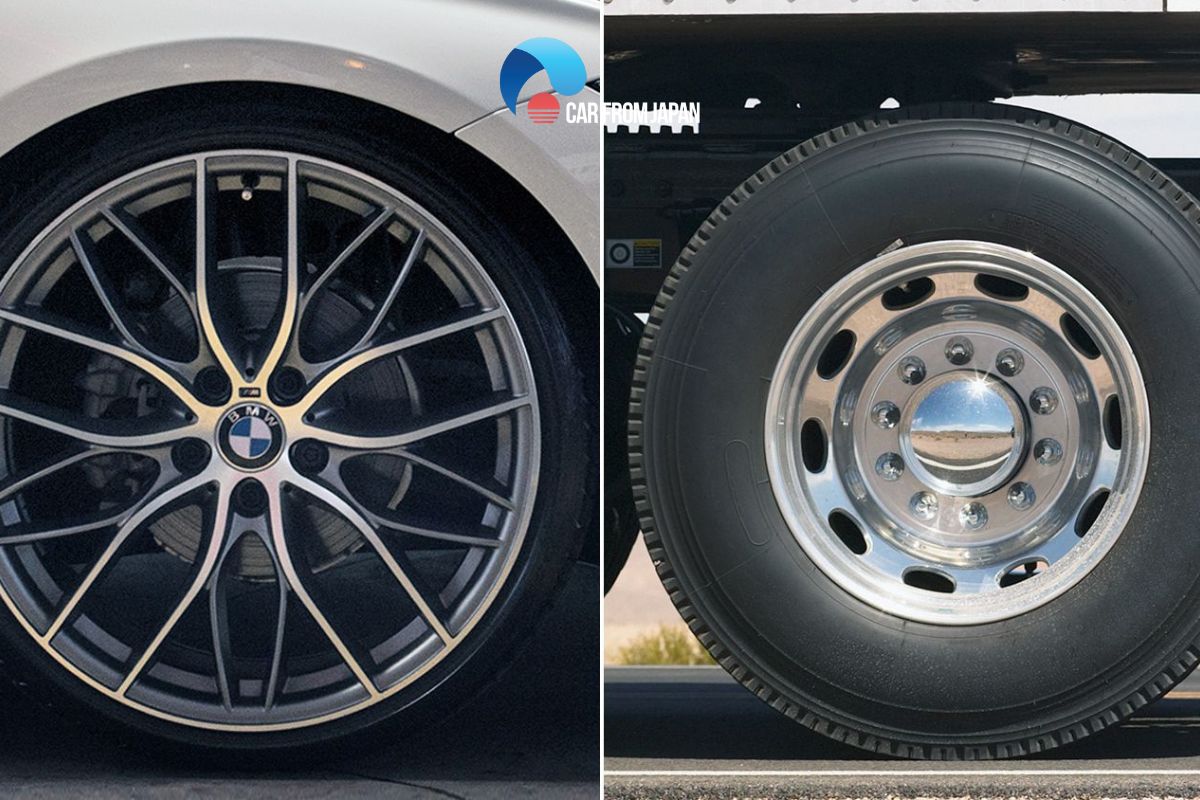
Credit: carfromjapan.com
Cost And Aesthetic Appeal
Alloy and steel wheels differ in price and looks. Both types offer unique benefits. Understanding these can help you choose the right wheels for your vehicle.
Cost affects which wheel you pick. Style also matters for many drivers. Let’s explore these two important points.
Price Comparison
Steel wheels usually cost less than alloy wheels. They are cheaper to make and repair. Alloy wheels are more expensive because of their material and design.
| Wheel Type | Average Cost |
| Steel Wheels | $50 – $150 |
| Alloy Wheels | $100 – $400 |
Visual Design Options
Alloy wheels offer many styles and finishes. They can be polished, painted, or chrome plated. Steel wheels have simple designs and fewer options.
- Alloy wheels come in many colors and shapes.
- Steel wheels are mostly plain and come in basic black or silver.
- Alloy wheels can make a car look sportier and modern.
- Steel wheels are practical but less stylish.

Credit: www.reddit.com
Frequently Asked Questions
What Are The Main Differences Between Alloy And Steel Wheels?
Alloy wheels are lighter and stylish, while steel wheels are heavier and stronger.
Which Wheels Offer Better Performance, Alloy Or Steel?
Alloy wheels improve handling and fuel efficiency better than steel wheels.
Are Alloy Wheels More Expensive Than Steel Wheels?
Yes, alloy wheels usually cost more due to their materials and design.
How Does Durability Compare Between Alloy And Steel Wheels?
Steel wheels resist damage better; alloy wheels can crack under impact.
Can I Use Alloy Wheels In Winter Like Steel Wheels?
Steel wheels are better for winter due to their toughness and salt resistance.
Conclusion
Alloy and steel wheels each have clear benefits. Alloy wheels are lighter and look stylish. Steel wheels offer strength and cost less. Choosing depends on your budget and needs. Think about driving style and weather conditions. Both types can serve well on your car.
Understanding their differences helps make smart choices. Pick what fits your car and life best. Simple facts, easy decisions.


