Last Updated on November 25, 2025 by Aaron Blake
Have you noticed your tires wearing out faster on one side or showing strange patterns? Uneven tire wear is more than just a cosmetic issue—it can affect your safety, fuel efficiency, and wallet.
Understanding the causes behind this problem can help you fix it before it leads to costly repairs or dangerous driving conditions. You’ll discover the common reasons your tires aren’t wearing evenly and what you can do to keep them rolling smoothly for longer.
Keep reading to protect your ride and save money in the long run.
Contents
Common Causes Of Uneven Tire Wear
Uneven tire wear can reduce tire life and affect vehicle safety. It happens when tires wear more on some parts than others.
Understanding the common causes helps you fix issues early and drive safely.
Misaligned Wheels
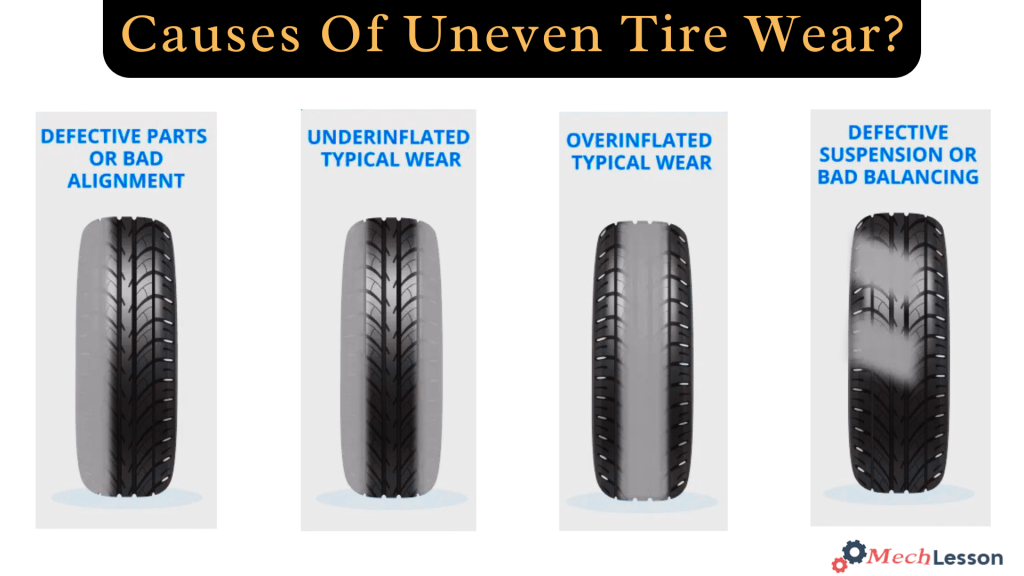
When wheels are not aligned, tires do not roll straight. This causes uneven wear on tire edges. Misalignment can make steering hard and damage tires quickly.
Common signs include pulling to one side and uneven tread wear. Fixing alignment improves tire life and vehicle control.
Improper Tire Pressure
Too low or too high tire pressure causes uneven wear. Low pressure wears the edges of the tire. High pressure wears the center more.
- Check tire pressure monthly
- Use the pressure recommended by the vehicle maker
- Adjust pressure before long trips
Worn Suspension Components
Suspension parts like shocks and struts keep tires on the road. When worn, they cause tires to bounce or drag. This leads to patchy or scalloped wear patterns.
Repairing suspension parts helps tires wear evenly and improves ride comfort.
Unbalanced Tires
Unbalanced tires cause vibration and uneven tread wear. Balancing spreads weight evenly around the tire and wheel.
| Effect | Cause | Solution |
| Vibration in steering wheel | Weight not evenly distributed | Balance tires at service shop |
| Spotty wear on tire tread | Unbalanced wheel rotation | Regular tire balancing |
| Increased road noise | Uneven tire contact | Check and correct tire balance |
Credit: mechlesson.com
Impact Of Driving Habits
Driving habits play a big role in how tires wear out unevenly. Some habits put extra pressure on certain parts of the tire. This causes damage that can shorten tire life.
Understanding these habits helps drivers avoid uneven tire wear. It can save money and keep driving safe.
Frequent Hard Braking
Stopping suddenly and often causes the front tires to wear quickly. This wears down the tread unevenly. It can also lead to flat spots on the tires.
- Hard braking increases heat in tires
- Heat softens the rubber, causing faster wear
- Repeated stops stress tire tread and sidewalls
Aggressive Cornering
Taking sharp turns at high speeds pushes tires to one side. This causes more wear on the outer edges. Over time, it leads to uneven tire tread.
| Effect | Tire Area Affected |
| Fast cornering | Outer edges |
| Slow cornering | Even wear |
| Normal driving | Center and edges balanced |
Overloading The Vehicle
Putting too much weight in the car causes tires to press harder on the road. This pressure leads to faster wear in certain spots. Overloaded tires may also heat up more.
Signs of tire damage from overloading:
- Bulges or cracks on sidewalls
- Uneven tread wear patterns
- Frequent loss of tire pressure
Detecting Tire Wear Patterns
Tire wear patterns tell a lot about your vehicle’s condition. They show if tires wear evenly or have issues.
Understanding these patterns helps you fix problems early. It can improve safety and save money on tires.
Feathering
Feathering means tire tread ribs wear unevenly. The edges feel smooth on one side and sharp on the other.
- Caused by misaligned wheels
- Happens when toe settings are off
- Leads to noisy driving and faster tire wear
Cupping
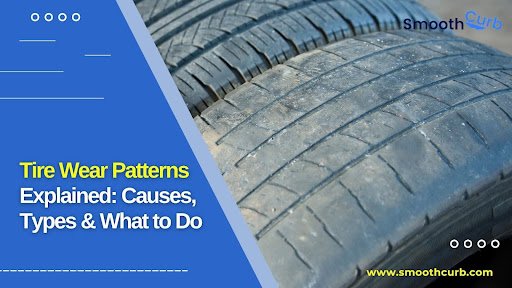
Cupping shows as high and low points on the tire tread. It looks like dips or scoops around the tire.
| Cause | Effect |
| Worn shock absorbers | Uneven tire bounce |
| Imbalanced tires | Vibration and noise |
| Loose suspension parts | Irregular tread wear |
Bald Spots
Bald spots are smooth areas without tread. They reduce traction and cause unsafe driving.
Common reasons for bald spots:
- Hard braking or skidding
- Flat spotting from long stops
- Defective tires or poor maintenance
Credit: smoothcurb.com
Simple Fixes To Extend Tire Life
Uneven tire wear can shorten the life of your tires. It also affects how your car drives. Simple fixes can help your tires last longer.
Checking and fixing basic issues keeps your tires safe and saves money. Learn what to do to avoid uneven wear.
Regular Wheel Alignment
Wheel alignment means adjusting the angles of your tires. Proper alignment keeps tires flat on the road. Misaligned wheels cause uneven wear and poor handling.
Get your wheel alignment checked at least once a year. If you notice your car pulling to one side, check alignment sooner.
Maintaining Correct Tire Pressure
Low or high tire pressure causes uneven wear and can be unsafe. Check your tire pressure monthly. Use the number in your car’s manual or on the door sticker.
- Check pressure when tires are cold
- Use a reliable tire pressure gauge
- Adjust pressure to recommended levels
- Inspect tires for damage or slow leaks
Routine Tire Rotation
Rotating tires means moving them to different positions on the car. This helps even out wear because tires wear differently depending on their position.
Rotate tires every 5,000 to 8,000 miles. Follow your car’s rotation pattern. This simple step extends tire life and improves performance.
Replacing Worn Parts
Worn parts like shocks, struts, and ball joints can cause uneven tire wear. These parts affect how your tires touch the road.
| Part | Effect on Tires |
| Shocks | Cause bouncing, uneven tread wear |
| Struts | Lead to poor handling and wear |
| Ball Joints | Cause misalignment and uneven wear |
Have a mechanic check these parts if your tires wear unevenly. Replacing worn parts keeps tires wearing evenly and your car safe.

Credit: www.reddit.com
Frequently Asked Questions
What Causes Uneven Tire Wear On Vehicles?
Uneven tire wear happens due to poor alignment, incorrect tire pressure, worn suspension, or unbalanced tires.
How Does Tire Alignment Affect Tire Wear?
Bad alignment makes tires scrub against the road, causing uneven and faster wear on certain tire parts.
Can Low Or High Tire Pressure Cause Uneven Wear?
Yes, low pressure wears tire edges; high pressure wears the center, leading to uneven tire wear.
Does Suspension Damage Lead To Uneven Tire Wear?
Worn or damaged suspension parts affect tire contact with the road, causing irregular tire wear patterns.
How Often Should Tires Be Rotated To Prevent Uneven Wear?
Tires should be rotated every 5,000 to 8,000 miles to ensure even wear and longer tire life.
Conclusion
Uneven tire wear can cause safety problems and cost more money. Check your tires often to catch issues early. Keep your wheels aligned and balance the tires well. Rotate tires regularly to help them wear evenly. Proper tire pressure also makes a big difference.
Small efforts now can save you from bigger repairs later. Stay alert and care for your tires to drive safely. Simple steps protect your car and improve your ride quality. Don’t ignore uneven wear; act quickly to avoid trouble.