

Causes Of Squeaky Brakes: Top Reasons and Easy Fixes Revealed
Last Updated on August 17, 2026
Have you ever noticed a high-pitched squeal every time you press your brakes? That annoying sound isn’t just irritating—it could be a warning sign about your car’s health.
Understanding the causes of squeaky brakes can save you from costly repairs and keep you safe on the road. You’ll discover the common reasons behind those squeaks and what you can do to fix them before they turn into bigger problems.
Keep reading to protect your vehicle and drive with confidence.

Credit: extramile.thehartford.com
Common Causes Of Squeaky Brakes
Squeaky brakes can be annoying and signal a problem. Understanding common causes helps you decide when to fix them.
Below are the main reasons brakes make noise. Knowing these causes can keep your car safe and quiet.
Worn Brake Pads
Brake pads wear down over time. Thin pads can cause a high-pitched squeak when braking. This sound warns you to replace the pads soon.
Brake Dust And Debris
Dust and dirt can build up between the brake parts. This debris causes friction and makes a squeaky sound. Cleaning the brakes often stops the noise.
Glazed Rotors
Rotors can get glazed from heat and wear. This smooth, hard surface reduces grip and causes squeaking. Resurfacing or replacing the rotors fixes this issue.
| Cause | Effect | Solution |
|---|---|---|
| Worn Brake Pads | Squeaking noise when braking | Replace brake pads promptly |
| Brake Dust and Debris | Friction noise and rough braking | Clean brakes regularly |
| Glazed Rotors | Reduced braking grip, squeal | Resurface or replace rotors |
| Lack of Lubrication | Metal parts rub loudly | Apply brake lubricant |
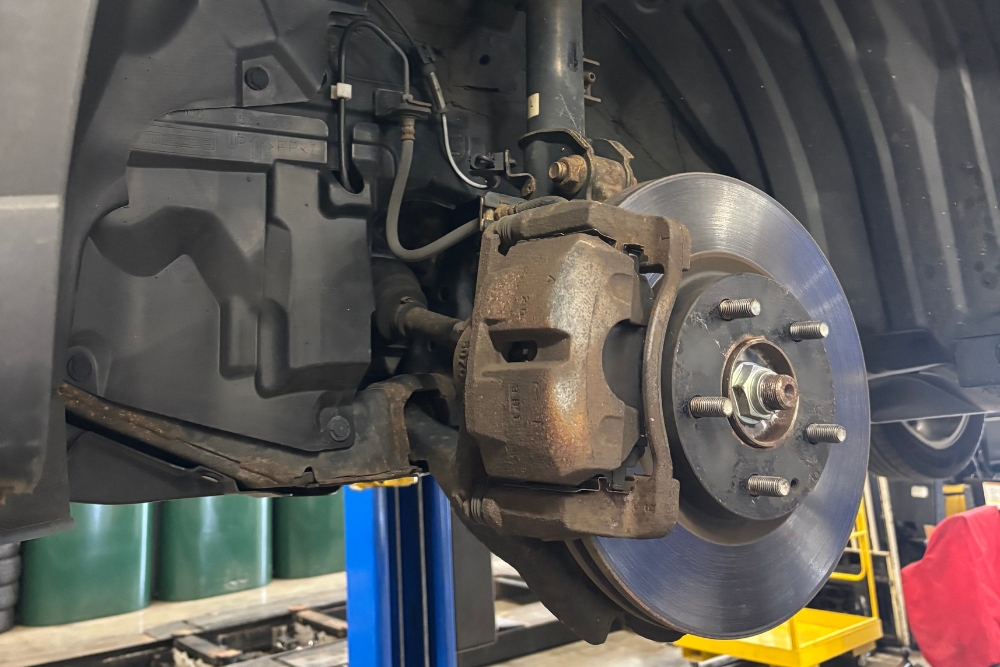
Lack Of Lubrication
Brake parts need lubrication to move smoothly. Dry parts can rub and cause squeaks. Adding the right lubricant stops the noise and protects parts.
Credit: schmidtautocare.com
Impact Of Brake Material Quality
Brake material quality plays a big role in brake performance. It also affects the noise your brakes make.
Low-quality materials often cause squeaky brakes. Choosing the right brake pads can reduce noise and wear.
Low-quality Brake Pads
Cheap brake pads wear out fast and create noise. They can cause squeaks because of poor materials.
These pads may have rough surfaces that rub loudly on the brake rotor. They also heat up quickly.
Metallic Vs. Ceramic Pads
Metallic pads use metal fibers. They are strong but can be noisy and wear down rotors faster.
Ceramic pads are quieter and produce less dust. They last longer but cost more than metallic pads.
- Metallic pads: louder, more durable, less expensive
- Ceramic pads: quieter, cleaner, longer-lasting
Effect On Noise Levels
Brake pad material affects how much noise brakes make. Harder materials tend to be louder.
Soft and smooth materials reduce squeaks. They help brakes stop quietly and smoothly.
Environmental And Usage Factors
Squeaky brakes often happen because of how the environment and driving style affect the brake parts. These factors can cause noise and reduce brake life.
Understanding these causes helps drivers take care of their brakes better and avoid annoying sounds.
Moisture And Humidity
Water from rain or high humidity can cause a thin rust layer on brake rotors. This rust can make brakes squeak when first used after rain or overnight.
- Rust forms quickly on metal brake parts in wet weather.
- Brakes may squeak until rust wears off after several stops.
- Parking in damp areas increases moisture exposure.
Frequent Stop-and-go Driving
Driving in traffic with many stops wears brake pads unevenly. This wear can cause vibrations and squeaking sounds.
| Effect | Cause | Result |
| Uneven pad wear | Repeated braking | Squeaky noise |
| Overheated brakes | Constant stopping | Reduced brake life |
| Brake dust buildup | Short trips | Noise and poor performance |
High-speed Braking
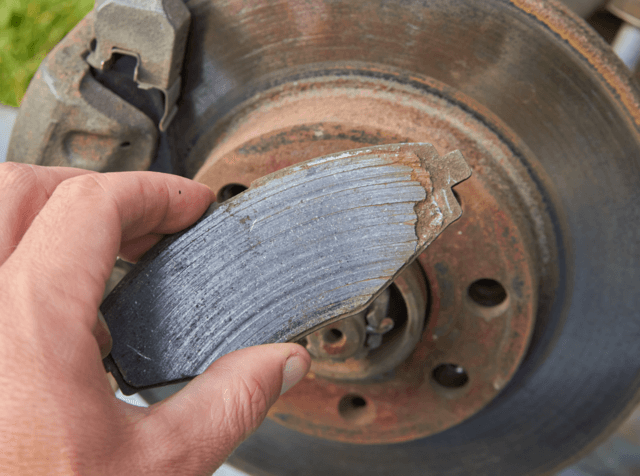
Braking hard at high speeds heats brake parts. This heat can cause brake pads to harden and create squeaking.
High-speed braking effects include:
- Brake fade from heat
- Pad glazing leading to noise
- Increased rotor wear
Credit: masterauto.tech
Simple Solutions To Stop Squeaky Brakes
Squeaky brakes can be annoying and sometimes scary. They often mean your brake parts need care. Fixing the noise can keep your brakes working well.
Below are easy ways to stop your brakes from squeaking. These tips help you stay safe and save money on repairs.
Replacing Brake Pads
Old or worn brake pads often cause squeaking. When pads are thin, metal parts touch the brake rotor. This makes a loud noise. New brake pads solve this problem.
Choose the right pads for your car. Replace them as soon as you notice noise or poor braking. This keeps your car safe and quiet.
Cleaning Brake Components
Dirt and dust build-up can cause brake noise. Clean brake parts to remove grime and metal dust. Use a brake cleaner spray and a brush for best results.
- Remove the wheel to access brake parts
- Spray brake cleaner on pads and rotors
- Use a soft brush to clean dirt gently
- Wipe parts with a clean cloth
- Let parts dry before reassembling
Applying Anti-squeal Lubricants
Anti-squeal lubricants reduce noise by stopping vibration. Apply them on the back of the brake pads and other contact points. Use only brake-specific lubricants for safety.
Do not put lubricant on the pad surface or rotor. This can reduce braking power and cause danger.
Regular Brake Maintenance Tips
| Maintenance Task | Frequency | Purpose |
| Check brake pads | Every 10,000 miles | Detect wear early |
| Inspect brake rotors | Every 20,000 miles | Spot damage or warping |
| Clean brake parts | Every 15,000 miles | Remove dust and dirt |
| Apply anti-squeal lubricant | When replacing pads | Reduce noise and vibration |
| Test brake fluid | Every year | Ensure proper brake function |
Frequently Asked Questions
Why Do Brakes Make A Squeaking Noise?
Brakes often squeak due to worn pads or dust caught between the pad and rotor.
Can Wet Brakes Cause Squeaky Sounds?
Yes, moisture on brake parts can cause temporary squeaking until they dry out.
Does Rust On Brake Rotors Cause Squeaky Brakes?
Rust buildup on rotors can make brakes squeak, especially after the car sits unused.
How Do Worn Brake Pads Cause Squeaky Brakes?
Worn pads expose metal parts that rub against the rotor, creating a high-pitched noise.
Can Brake Dust Lead To Squeaky Brakes?
Brake dust trapped on pads or rotors can cause friction and squeaking sounds.
Conclusion
Squeaky brakes often signal worn or dirty parts. Dirt, rust, or lack of lubrication cause noise. Brake pads pressing unevenly can also squeak. Fixing the issue keeps driving safe and smooth. Regular checks help catch problems early. Don’t ignore brake sounds; they protect you.
Simple maintenance saves money and stress. Stay alert to brake noises for better safety.


