

Best Practices For Engine Maintenance: Essential Tips for Longevity
Last Updated on August 17, 2026
Your engine is the heart of your vehicle. Without proper care, it can wear down quickly, costing you time and money.
But what if you could keep your engine running smoothly for years? Understanding the best practices for engine maintenance is the key. You’ll discover simple, effective steps that protect your engine and boost your vehicle’s performance. Ready to save money and avoid unexpected breakdowns?
Keep reading to learn how to take care of your engine like a pro.
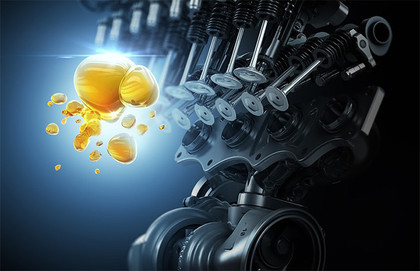
Credit: www.cardekho.com
Regular Oil Changes
Regular oil changes keep your engine running smoothly. They help prevent wear and damage.
Changing oil on time improves engine life and saves money on repairs.
Choosing The Right Oil
Pick oil that matches your engine’s needs. Check your owner’s manual for the type.
Synthetic oil lasts longer and works better in extreme temperatures than regular oil.
- Use the oil grade recommended by the manufacturer
- Consider synthetic oil for better protection
- Choose oil with the right viscosity for your climate
Oil Change Intervals
Change your oil regularly to keep the engine clean. Old oil loses its ability to protect.
Follow the schedule in your owner’s manual. Common intervals are every 3,000 to 7,500 miles.
- Change oil more often if you drive in stop-and-go traffic
- Change oil sooner if you tow heavy loads or drive in dusty areas
- Check the oil condition to decide if an early change is needed
Checking Oil Levels
Check oil levels often to avoid running too low. Low oil can damage the engine fast.
Use the dipstick to check oil. The level should be between the minimum and maximum marks.
- Park on a level surface and wait for the engine to cool
- Pull out the dipstick and wipe it clean
- Insert the dipstick fully, then pull it out again to check the level
- Add oil if the level is below the minimum mark
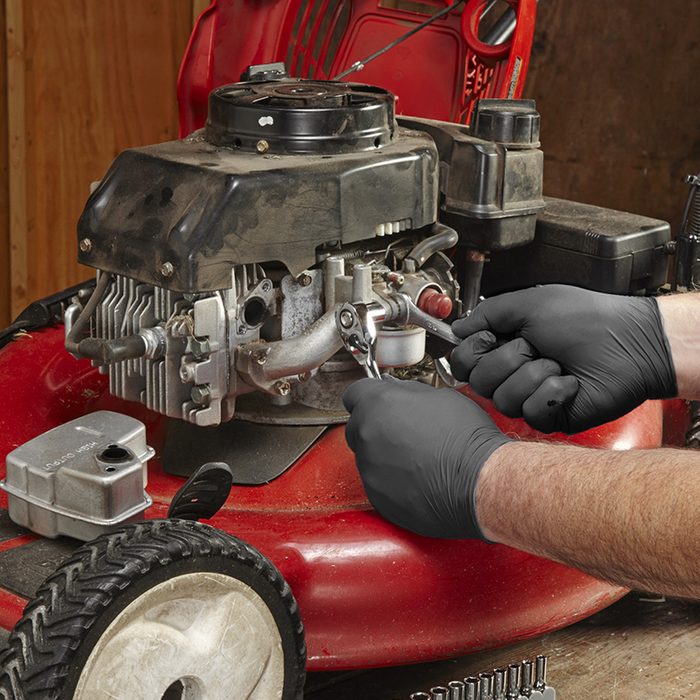
Credit: www.familyhandyman.com
Cooling System Care
Keeping your engine cool is key to good performance. The cooling system stops the engine from getting too hot. Regular checks help avoid costly repairs.
Follow these simple steps to care for your cooling system. This will keep your engine running smoothly and safely.
Inspecting Coolant Levels
Check the coolant level in the reservoir often. Low coolant can cause the engine to overheat. Always check the level when the engine is cool.
- Open the hood and locate the coolant reservoir.
- Look at the side of the reservoir for “Min” and “Max” marks.
- Make sure the coolant level is between these marks.
- Add coolant if the level is low, using the correct type.
- Do not open the radiator cap when the engine is hot.
Flushing The Radiator
Flushing the radiator removes old coolant and dirt. This keeps the cooling system clean and working well. Flush your radiator every two years or as advised in your vehicle manual.
| Flush Step | What to Do |
| Drain Coolant | Remove old coolant from the radiator and reservoir. |
| Flush System | Fill with clean water and run engine to clear debris. |
| Drain Water | Drain the water used for flushing. |
| Add Coolant | Refill with fresh coolant mix as per guidelines. |
| Check for Leaks | Inspect hoses and radiator for any leaks after refilling. |
Identifying Overheating Signs
Watch for signs your engine is getting too hot. Catching overheating early can save your engine from damage.
- The temperature gauge on the dashboard rises above normal.
- Steam or smoke comes from under the hood.
- The engine smells hot or burning.
- The car loses power or runs roughly.
- Warning lights or alerts appear on the dashboard.
Air And Fuel Filters
Air and fuel filters keep dirt and debris out of the engine. Clean filters help the engine run smoothly and last longer.
Regular checks and changes of these filters are important for good engine health. This guide covers how to maintain them well.
Replacing Air Filters
Air filters block dust and dirt from entering the engine. Replace them if they look dirty or clogged.
Check the air filter every 12,000 miles or as your vehicle manual suggests. A clean air filter improves fuel efficiency.
- Locate the air filter box under the hood
- Open the box carefully
- Remove the old filter and check for dirt
- Insert a new filter in the same position
- Close the air filter box securely
Maintaining Fuel Filters
Fuel filters clean the fuel before it reaches the engine. They stop dirt and rust from causing damage.
Replace the fuel filter every 20,000 to 40,000 miles or as recommended by the vehicle maker. Clean filters protect the fuel system.
- Find the fuel filter location (under the car or near the engine)
- Relieve fuel system pressure before removing the filter
- Remove the old fuel filter carefully
- Install the new filter in the right direction
- Check for leaks after installation
Impact On Engine Performance
Dirty air and fuel filters reduce engine power and increase fuel use. They can cause rough idling or hard starts.
Clean filters improve air and fuel flow. This helps the engine run smoothly and last longer.
- Better fuel efficiency
- Smoother engine operation
- Lower emissions
- Longer engine life
Credit: arvuauto.com
Timing And Belts
Proper engine maintenance depends on checking and replacing belts on time. Timing belts and serpentine belts keep engine parts moving smoothly.
Ignoring belts can cause engine damage and costly repairs. Learn the best ways to care for these important parts.
Timing Belt Replacement
Timing belts control the engine’s camshaft and crankshaft. They must be replaced based on the car maker’s schedule, usually every 60,000 to 100,000 miles.
Replacing the timing belt on time prevents engine failure and costly repairs. A worn belt can snap and cause serious damage.
Serpentine Belt Checks
The serpentine belt powers many parts like the alternator, water pump, and air conditioner. It should be checked regularly for cracks and wear.
- Look for cracks or fraying on the belt surface
- Check for looseness or squealing noises
- Replace if the belt shows signs of damage or wear
- Inspect belt tension and alignment
Signs Of Belt Wear
| Sign | What It Means | Action |
|---|---|---|
| Cracks on belt | Belt is aging and losing strength | Replace belt soon |
| Squealing noise | Belt is slipping or loose | Check tension and adjust or replace |
| Frayed edges | Belt is damaged or worn out | Replace belt immediately |
| Glazing or shiny surface | Belt is overheating or slipping | Replace belt and check pulleys |
Frequently Asked Questions
What Are The Key Steps For Regular Engine Maintenance?
Regular oil changes, checking fluid levels, and replacing filters keep engines running smoothly.
How Often Should Engine Oil Be Changed?
Engine oil should be changed every 3,000 to 5,000 miles or as the car manual suggests.
Why Is Checking The Engine Coolant Important?
Coolant prevents the engine from overheating and protects it from freezing in cold weather.
How Can I Spot Early Engine Problems?
Look for strange noises, smoke, leaks, or warning lights on the dashboard.
What Role Do Air Filters Play In Engine Care?
Air filters keep dirt out, improving engine efficiency and fuel economy. Replace them regularly.
Conclusion
Keeping your engine in good shape saves time and money. Regular checks help spot problems early. Change oil and filters as the guide says. Use the right fuel and avoid harsh driving. Clean the engine parts to stop dirt build-up.
Simple care steps keep your engine strong and last longer. Follow these tips to enjoy smooth rides every day. Small efforts make a big difference in engine health. Stay consistent and your engine will reward you.


