


Last Updated on April 15, 2026
Is your car acting up in ways you can’t ignore? If you’ve noticed strange noises, slipping gears, or delayed acceleration, these could be warning signs of transmission failure.
Ignoring these hints might lead to costly repairs or even leave you stranded. You’ll discover the key signs your transmission is in trouble and what you can do to protect your vehicle. Keep reading to save yourself time, money, and stress on the road.

Credit: www.drautomotive.org
Common Symptoms
Transmission failure can cause many problems in your vehicle. Knowing the signs helps you fix issues early.
This guide covers common symptoms to watch for. Early detection can save you money and stress.
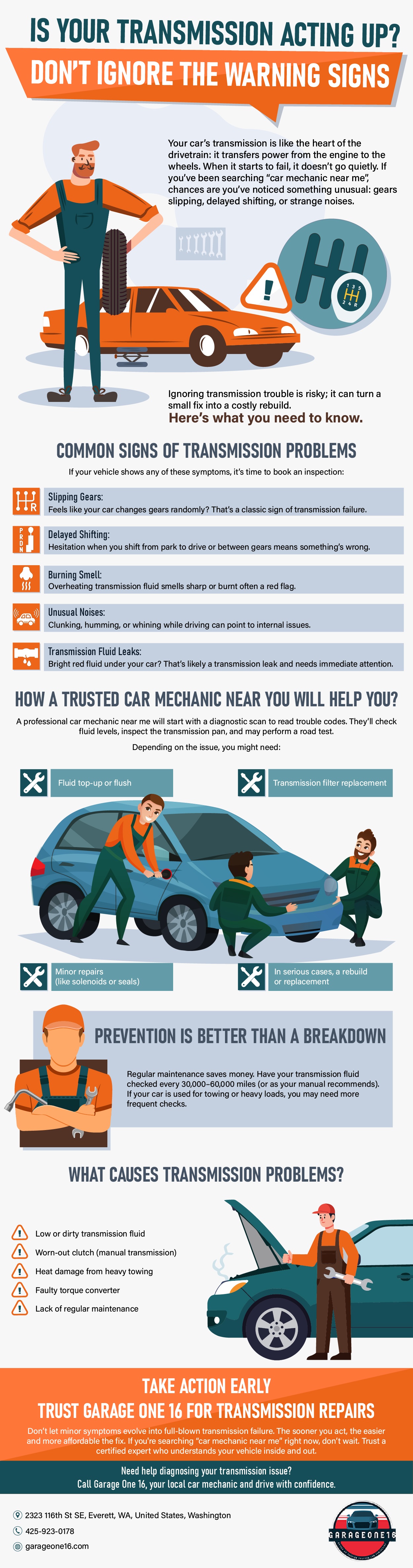
Slipping Gears
Slipping gears happen when the transmission changes gears on its own. You may feel the car shift suddenly.
This symptom makes driving unsafe. The car may lose power or speed without warning.
- Engine revs rise without speed increase
- Sudden shifts between gears
- Delayed response when accelerating
Delayed Engagement
Delayed engagement means the car takes time to move after shifting from park or neutral. It feels like a pause.
This delay can cause unsafe situations. It shows the transmission is not responding quickly.
- Pause before the car moves
- Transmission feels slow to engage
- Hard to start moving from stop
Unusual Noises
Unusual noises like whining or clunking can come from a failing transmission. These sounds mean parts are worn.
Ignoring noises can lead to bigger damage. Pay attention to any new or strange sounds while driving.
- Whining when the car is in gear
- Clunking during gear shifts
- Grinding noises while driving

Credit: www.scrapmycaruae.com
Fluid Issues
Transmission fluid is vital for your car’s transmission system. It helps parts move smoothly and cools the system.
Problems with transmission fluid can cause your transmission to fail. Knowing the signs can save you time and money.
Low Transmission Fluid
Low transmission fluid means there is not enough fluid in the system. This causes poor lubrication and overheating.
You may notice slipping gears or delayed shifting. These happen because the fluid can’t keep parts moving well.
Contaminated Fluid
Contaminated fluid looks dark or smells burnt. Dirt and metal bits can get inside the fluid over time.
Dirty fluid causes rough shifting and can damage the transmission parts. Clean fluid keeps the system healthy.
Fluid Leaks
Fluid leaks reduce the amount of transmission fluid. Leaks often appear as red or brown spots under your car.
Leaks can come from worn seals or damaged lines. Fix leaks quickly to avoid serious transmission damage.
- Check for spots on the ground where you park
- Look under the transmission for wet or oily areas
- Listen for unusual noises when shifting gears
Performance Problems
Transmission failure can cause many performance issues in your vehicle. These problems affect how smoothly your car drives.
Recognizing early signs helps prevent costly repairs and keeps your car running safely.
Overheating Transmission
An overheating transmission means the system is too hot to work well. This can happen if the fluid is low or old.
Heat damages transmission parts and lowers performance. It can cause slipping or delayed gear changes.
- Check transmission fluid level often
- Look for dark or burnt smelling fluid
- Avoid heavy towing without a cooler
Poor Acceleration
Poor acceleration means your car takes longer to speed up. This can be a sign of transmission slipping or worn parts.
The engine may rev high but the car moves slowly. This shows the transmission is not transferring power correctly.
- Notice delayed response when pressing the gas
- Feel jerking or rough shifting
- Check for warning lights on the dashboard
Burning Smell
A burning smell often means the transmission fluid is overheating or burning. This smell is strong and unpleasant.
Burnt fluid loses its ability to protect parts. This causes faster wear and possible transmission failure.
- Smell near the front of the car while driving
- Check fluid color and smell regularly
- Have a mechanic inspect if you notice the smell
Diagnostic Tips
Transmission failure can cause serious car problems. Early diagnosis helps avoid costly repairs.
Use simple methods to check for signs of transmission trouble. This guide covers key diagnostic tips.
Check Engine Light
The check engine light often signals transmission issues. It turns on when the car’s computer detects a fault.
Do not ignore this warning. Check the light as soon as it appears to prevent more damage.
Error Codes
Error codes give exact details about transmission problems. Use a scanner to read these codes.
- Connect an OBD-II scanner to the car’s port.
- Turn on the ignition but do not start the engine.
- Read the transmission-related codes from the scanner.
- Look up the codes in a trusted manual or online resource.
- Plan repairs based on the error code information.
Professional Inspection
A professional mechanic can spot hidden transmission issues. They use special tools for a thorough check.
| Inspection Area | What It Checks | Why It Matters |
| Fluid Level | Transmission fluid amount and color | Low or dirty fluid causes slipping and damage |
| Transmission Pressure | Hydraulic pressure inside the system | Incorrect pressure affects shifting performance |
| Electronic Controls | Sensors and wiring condition | Faulty electronics cause error codes and poor function |
| Mechanical Parts | Gears, clutch, and bands | Wear or damage leads to failure and noise |
Credit: garageone16.com
Frequently Asked Questions
What Are The Common Signs Of Transmission Failure?
Grinding noises, slipping gears, delayed shifting, and fluid leaks often signal transmission failure.
How Does Transmission Failure Affect Car Performance?
It causes rough shifting, loss of power, and difficulty in controlling the vehicle smoothly.
Can Transmission Failure Cause Strange Noises?
Yes, whining, clunking, or humming sounds can indicate serious transmission problems.
Why Does My Car’s Transmission Slip Gears?
Worn clutch plates, low fluid, or damaged gears often cause gear slipping in transmissions.
Is Transmission Fluid Color A Sign Of Failure?
Dark, burnt, or dirty fluid usually means the transmission needs service or repair.
Conclusion
Transmission problems show clear signs you should not ignore. Strange noises, slipping gears, or delayed shifting signal trouble. Acting fast can save you from costly repairs later. Regular checks help catch issues early and keep your car safe. Trust your instincts if something feels off while driving.
Stay alert, and maintain your vehicle well to avoid bigger problems. Taking care of your transmission means a smoother and safer ride. Keep these signs in mind and protect your car’s health.


